
Choosing a streetwear manufacturer is one of the most important decisions a fashion brand will ever make.
Yet many founders focus on the wrong things.
They compare prices.
They compare MOQs.
They compare lead times.
But they rarely ask the question that actually matters:
"What makes a streetwear manufacturer truly good?"
After working with startup labels, growing streetwear brands, and large-scale apparel projects, I've learned that the best manufacturers are not necessarily the cheapest or the biggest.
The best manufacturers help brands grow by consistently delivering quality, solving problems, and building long-term partnerships.
In this guide, I'll break down the key characteristics that separate great streetwear manufacturers from average suppliers and show you exactly how to evaluate potential manufacturing partners in 2026.
Table of Contents
- 1. Why the Right Manufacturer Matters
- 2. The 10 Traits of a Good Streetwear Manufacturer
- 3. Manufacturing Skills vs Business Partnership
- 4. Questions to Ask Before Choosing a Factory
- 5. Comparing Good vs Bad Manufacturers
- 6. Signs You've Found the Right Manufacturing Partner
- 7. Mistakes Brands Make When Choosing Factories
- 8. How to Evaluate Manufacturers in 2026
- 9. FAQ
- Final Thoughts
1. Why the Right Manufacturer Matters
Many streetwear brands fail to realize that manufacturing affects nearly every aspect of their business.
A manufacturer influences:
- Product quality
- Customer satisfaction
- Profit margins
- Brand reputation
- Delivery reliability
- Product development speed
Manufacturing Impact on Brand Growth
| Area | Manufacturer Influence |
|---|---|
| Quality | Very High |
| Delivery | Very High |
| Profitability | High |
| Customer Reviews | High |
| Repeat Orders | High |
A great design can attract customers.
A great manufacturer helps keep them.
2. The 10 Traits of a Good Streetwear Manufacturer
1. Specialization in Streetwear
Not all garment factories understand streetwear.
A manufacturer experienced in:
- Oversized fits
- Heavyweight fabrics
- Vintage washes
- Puff printing
- Embroidery
- Varsity jackets
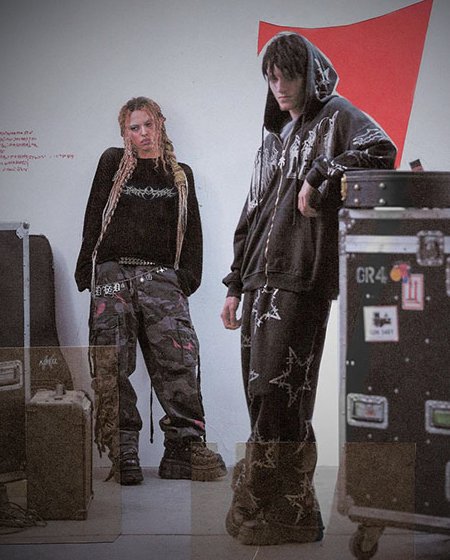
will typically produce better results than a general clothing factory.
Why It Matters
Streetwear has unique construction requirements that differ from traditional apparel.
2. Consistent Quality Control
One excellent sample means nothing if bulk production is inconsistent.
Good manufacturers maintain quality through:
- In-line inspections
- Final inspections
- Measurement checks
- Fabric testing
Quality Control Checklist
| Process | Importance |
|---|---|
| Fabric Inspection | High |
| Cutting Inspection | High |
| Sewing Inspection | High |
| Final QC | High |
3. Strong Communication
In my experience, communication is often more important than pricing.
The best manufacturers:
✔ Reply quickly
✔ Explain problems clearly
✔ Offer solutions
✔ Update production progress
Poor communication usually leads to production problems.
4. Product Development Capability
A good manufacturer doesn't simply produce products.
They help improve them.
Examples include:
- Fabric recommendations
- Fit adjustments
- Construction improvements
- Cost optimization
This expertise can save brands thousands of dollars.
5. Reliable Lead Times
A great factory delivers on schedule.
Typical Streetwear Timelines
| Stage | Timeline |
|---|---|
| Sampling | 7–14 Days |
| PP Sample | 5–10 Days |
| Bulk Production | 20–40 Days |
Consistency matters more than unrealistic promises.
6. Fabric Sourcing Strength
Fabric is the foundation of every garment.
Strong manufacturers provide access to:
- Heavyweight cotton
- French terry
- Fleece
- Nylon
- Denim
- Specialty fabrics
Better sourcing often leads to better products.
7. Customization Capability
Streetwear brands frequently require:
- Screen printing
- Puff printing
- Embroidery
- Chenille patches
- Garment dyeing
- Washing effects
A good manufacturer should support multiple customization techniques.
8. Scalability
Many startups only think about their first order.
The best manufacturers can support:
- 100 pcs
- 1,000 pcs
- 10,000 pcs
without major operational changes.
9. Transparency
Good factories provide clear information regarding:
- Pricing
- MOQ
- Lead times
- Production limitations
Transparency builds trust.
10. Long-Term Partnership Mindset
The best manufacturers think beyond individual orders.
They focus on:
- Repeat business
- Brand growth
- Product improvement
- Long-term cooperation
This mindset often leads to stronger relationships and better results.
3. Manufacturing Skills vs Business Partnership
One mistake many founders make is evaluating factories solely on technical capability.
Technical skills are important.
But partnership matters too.
Technical Skills
- Pattern making
- Sewing quality
- Printing quality
- Fabric sourcing
Partnership Skills
- Communication
- Problem solving
- Flexibility
- Transparency
Ideal Manufacturer
| Category | Required? |
|---|---|
| Technical Expertise | Yes |
| Communication | Yes |
| Reliability | Yes |
| Business Partnership | Yes |
The strongest manufacturers combine both.
4. Questions to Ask Before Choosing a Factory
Before placing an order, I recommend asking:
Production Questions
- What is your MOQ?
- What is your sample lead time?
- What is your bulk lead time?
- Can you provide QC reports?
Streetwear-Specific Questions
- Can you produce oversized garments?
- Do you offer vintage washing?
- Can you do puff printing?
- Can you source heavyweight fabrics?
- Do you manufacture varsity jackets?
Their answers often reveal their true experience level.
5. Comparing Good vs Bad Manufacturers
| Good Manufacturer | Poor Manufacturer |
|---|---|
| Fast communication | Slow responses |
| Consistent quality | Inconsistent quality |
| Realistic timelines | Unrealistic promises |
| Transparent pricing | Hidden costs |
| Strong QC | Weak QC |
| Development support | Order-taking only |
This comparison can help simplify supplier evaluation.
6. Signs You've Found the Right Manufacturing Partner
Positive Indicators
✔ Professional sample quality
✔ Clear communication
✔ Honest feedback
✔ Detailed quotations
✔ Factory transparency
✔ Product expertise
Bonus Sign
The best manufacturers occasionally challenge your ideas.
Why?
Because they're focused on improving the final product, not simply saying yes to everything.
7. Mistakes Brands Make When Choosing Factories
Choosing Based on Price Alone
The cheapest factory often becomes the most expensive mistake.
Ignoring Samples
Never move directly to bulk production.
Always evaluate samples first.
Focusing Only on MOQ
A low MOQ doesn't guarantee quality.
Skipping Factory Research
Always review:
- Website
- Portfolio
- Reviews
- Social media presence
Research reduces risk.
8. How to Evaluate Manufacturers in 2026
In today's market, I recommend evaluating factories using a simple scoring system.
Manufacturer Scorecard
| Category | Weight |
|---|---|
| Quality | 25% |
| Communication | 20% |
| Streetwear Expertise | 15% |
| Sampling | 15% |
| Pricing | 10% |
| Lead Times | 10% |
| Scalability | 5% |
This approach helps remove emotion from supplier selection.
Useful Resources
If you're researching streetwear manufacturing, these resources can help:
Industry references:
9. FAQ
What is the most important trait of a streetwear manufacturer?
Consistent quality and communication are usually the two most important factors.
Should startups choose manufacturers based on MOQ?
MOQ matters, but product quality and reliability should be prioritized.
Can a good manufacturer help improve my designs?
Yes. Experienced factories often provide valuable development feedback.
Is a large factory always better?
Not necessarily. Many mid-sized factories offer better service and flexibility.
How do I know if a manufacturer specializes in streetwear?
Review their product portfolio, customization capabilities, and previous projects.
Final Thoughts
So, what makes a good streetwear manufacturer?
It's not just about producing garments.
It's about consistently helping brands create successful products.
The best manufacturers combine:
- Technical expertise
- Strong communication
- Reliable quality
- Product development support
- Long-term partnership thinking
From my experience, brands that invest time in choosing the right manufacturing partner usually scale faster and avoid many costly mistakes.
If you're looking for a manufacturing partner experienced in custom streetwear, oversized apparel, graphic printing, garment washing, embroidery, and private label production, explore Fuki Apparel to learn how professional manufacturing support can help turn your ideas into market-ready products.
