
When fashion brands start looking for a production partner, boutique manufacturers often seem attractive at first.
They usually promise flexibility, smaller production runs, and closer communication. But from my experience, there are major differences between boutique manufacturers and a specialized production partner like Fuki Apparel.
In this article, I’ll explain how Fuki Apparel compares to boutique manufacturers in terms of production capacity, customization, quality control, scalability, and long-term brand support.
Table of Contents
- Quick Answer
- What Is a Boutique Manufacturer?
- What Makes Fuki Apparel Different?
- Fuki Apparel vs Boutique Manufacturers
- Why Some Brands Choose Boutique Manufacturers
- Where Boutique Manufacturers Often Struggle
- Why Growing Streetwear Brands Prefer Fuki Apparel
- How Fuki Apparel Balances Flexibility and Scale
- How to Choose the Right Manufacturing Partner
- FAQs
- Conclusion
- Internal Reference
Quick Answer
Boutique manufacturers are often ideal for extremely small production runs and highly local handmade production.
However, Fuki Apparel is usually a better fit for brands that want:
- professional streetwear manufacturing
- scalable production
- stronger quality consistency
- flexible MOQ
- advanced customization
- long-term brand growth support
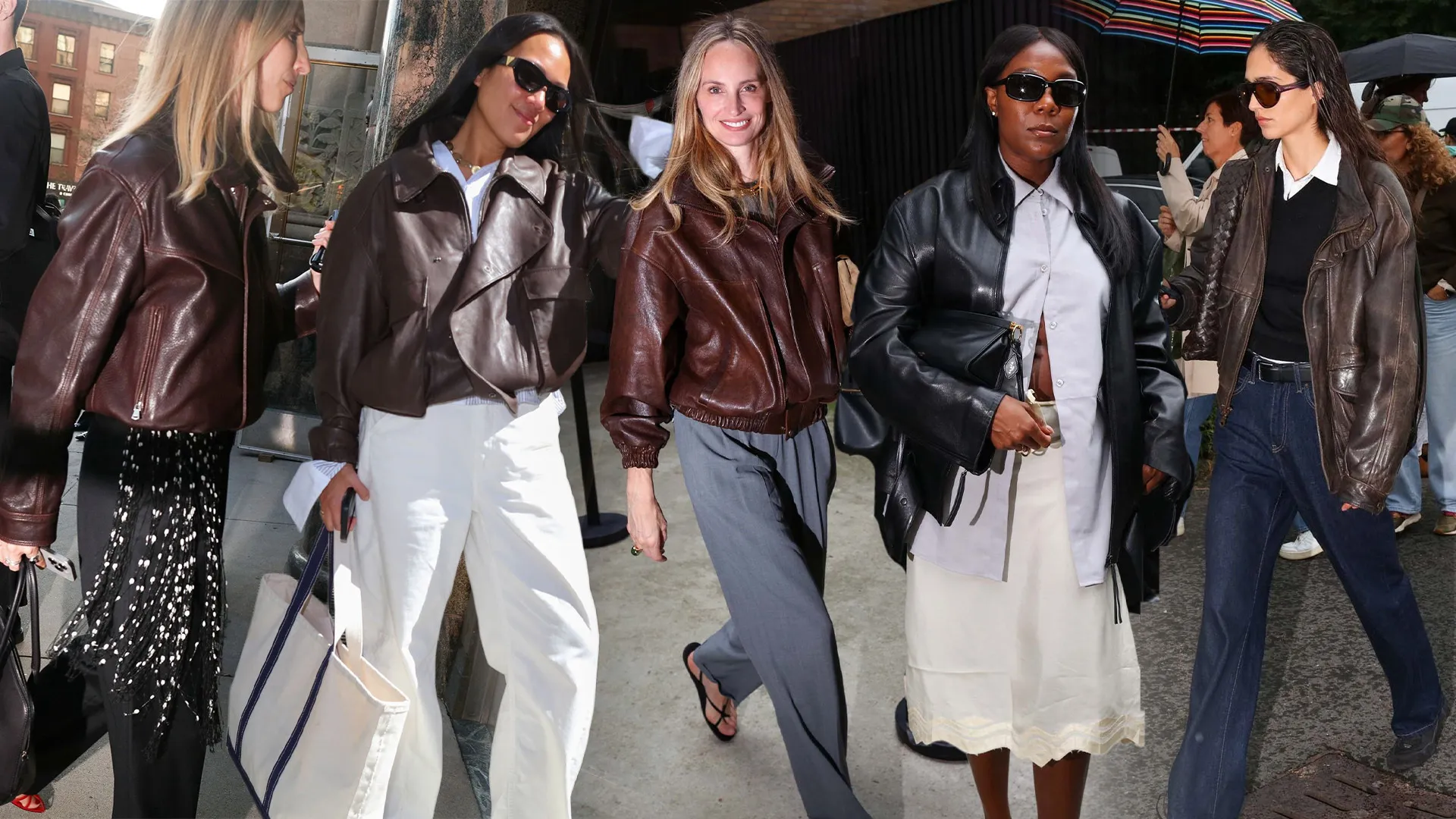
What Is a Boutique Manufacturer?
Boutique manufacturers are usually smaller production companies that focus on:
- limited production quantities
- niche brands
- handmade or semi-handmade production
- closer client relationships
Many boutique manufacturers operate with small teams and highly customized workflows.
This can work well for:
- local brands
- artist collections
- ultra-small launches
- handmade fashion concepts
But once brands begin scaling, limitations often appear.
What Makes Fuki Apparel Different?
Fuki Apparel operates differently because it combines:
- factory-level production systems
- streetwear-focused development
- scalable manufacturing
- flexible MOQ support
Instead of being only a small workshop or only a large factory, Fuki Apparel is built to support modern brands at different growth stages.
From my experience, that balance is what many growing brands actually need.
Fuki Apparel vs Boutique Manufacturers
| Category | Fuki Apparel | Boutique Manufacturers |
|---|---|---|
| Production Capacity | Scalable | Limited |
| MOQ Flexibility | Flexible | Very flexible |
| Streetwear Expertise | Specialized | Depends on workshop |
| Customization | Advanced | Usually moderate |
| Sampling Speed | Fast | Can vary |
| Quality Consistency | Structured QC | Less standardized |
| Production Efficiency | Higher | Lower |
| Long-Term Scaling | Strong | Often difficult |
| Branding Support | Comprehensive | Limited |
👉 Boutique manufacturers may feel more personal, but scaling production consistently is often much harder.
Why Some Brands Choose Boutique Manufacturers
There are definitely situations where boutique manufacturers make sense.
Smaller Initial Orders
Some startup brands only need very limited quantities.
Handmade Appeal
Boutique production can create a more handcrafted image.
Local Communication
Working locally may feel easier for some founders.
Niche Creative Projects
Experimental or artistic collections sometimes fit boutique workflows better.
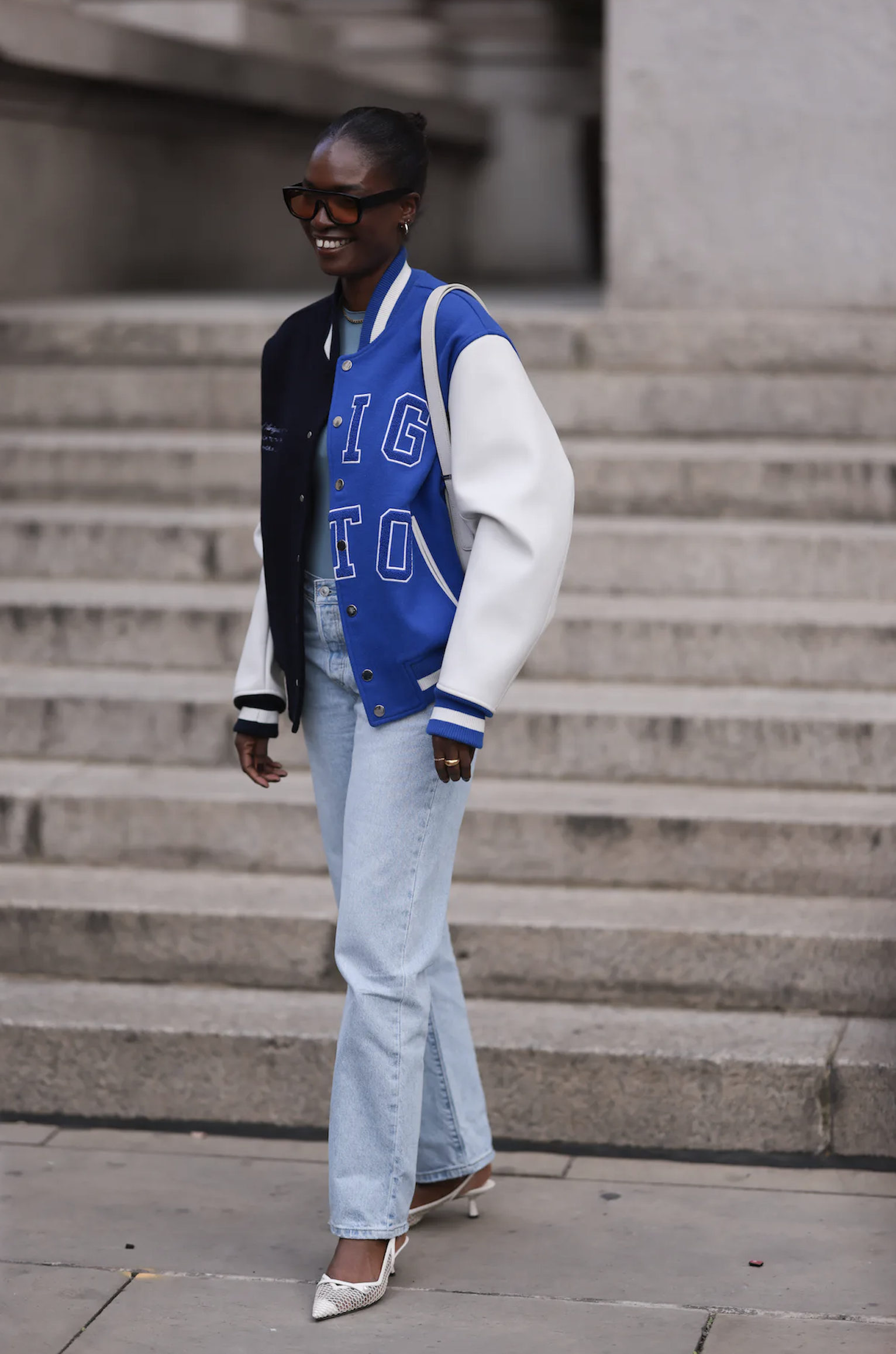
For extremely small-scale projects, boutique production can work well.
Where Boutique Manufacturers Often Struggle
As brands grow, boutique manufacturers often encounter operational limitations.
Inconsistent Output
Smaller teams may struggle to maintain stable quality across larger orders.
Limited Production Speed
Production timelines can become slower during busy seasons.
Higher Costs
Smaller production systems usually mean higher per-piece costs.
Difficulty Scaling
Handling rapid brand growth becomes challenging.
Limited Technical Capabilities
Some boutique manufacturers cannot support:
- heavyweight fabrics
- advanced printing
- puff print
- large embroidery programs
- custom washes
👉 These limitations become more obvious as brands expand.
Why Growing Streetwear Brands Prefer Fuki Apparel
Modern streetwear brands often need a balance between flexibility and professional production systems.
That’s where Fuki Apparel becomes more practical.
Streetwear-Focused Production
Oversized fits, heavyweight garments, and trend-focused development are already part of the workflow.
Flexible MOQ Without Sacrificing Structure
Brands can test products without entering massive production commitments.
Professional Quality Control
Production includes:
- fabric checks
- print inspections
- sewing quality reviews
- final AQL inspections
Better Long-Term Stability
As brands grow, production can scale more smoothly.
How Fuki Apparel Balances Flexibility and Scale
One of the biggest problems in apparel manufacturing is choosing between:
- flexibility
- production stability
Many factories only focus on volume.
Many boutique workshops only focus on flexibility.
Fuki Apparel is designed to balance both.
That means brands can still get:
- lower MOQ
- customized development
- direct communication
while also benefiting from:
- organized production systems
- scalable manufacturing
- consistent quality standards
How to Choose the Right Manufacturing Partner
The right manufacturer depends on your brand goals.
Boutique Manufacturers May Fit If:
- you produce very limited quantities
- you focus on handmade production
- you prefer local artisan workflows
Fuki Apparel May Fit Better If:
- you are building a scalable streetwear brand
- you need strong customization
- quality consistency matters
- you want long-term manufacturing support
- you plan to grow production over time
👉 In my opinion, many brands eventually outgrow boutique production once demand increases.
FAQs
Is Fuki Apparel a boutique manufacturer?
Not exactly. Fuki Apparel combines flexible development with scalable factory-level production.
Does Fuki Apparel support low MOQ?
Yes. MOQ is flexible for many streetwear projects and startup brands.
Can Fuki Apparel handle custom streetwear production?
Yes. Services include:
- custom fabrics
- oversized fits
- embroidery
- puff print
- screen printing
- woven labels
- packaging customization
Is Fuki Apparel suitable for growing brands?
Yes. It’s specifically structured for brands that want to scale production gradually while maintaining quality.
Conclusion
Boutique manufacturers and Fuki Apparel both offer flexibility, but they serve different types of brand growth.
Boutique production may work well for:
- ultra-small runs
- artisan projects
- local handmade concepts
But for modern streetwear brands looking for:
- scalability
- quality consistency
- advanced customization
- structured production support
Fuki Apparel is usually the more sustainable long-term manufacturing partner.
Internal Reference
👉 Explore our full streetwear manufacturing services: FukiApparel
Stay connected and follow our latest production content:
- TikTok: Fuki Streetwear
- YouTube: Fuki Apparel
- Instagram: Fuki Streetwear
