
Every clothing brand eventually faces the same manufacturing question:
Should you prioritize lower production cost or better product quality?
Because in apparel manufacturing, pricing and quality are closely connected.
Factories with extremely low pricing often reduce costs by sacrificing:
- Fabric quality
- Quality control
- Workflow organization
- Communication support
- Production consistency
At the same time, paying more only makes sense if the production value is actually worth it.
That’s why many fashion brands ask:
Is Fuki Apparel’s cost vs quality balance actually a good trade-off?
This article explains how Fuki Apparel balances pricing, customization, production quality, and long-term manufacturing value for modern clothing brands.
Table of Contents
- Quick Answer
- Why Cost vs Quality Matters in Manufacturing
- Overview of Fuki Apparel
- What Brands Are Paying For
- Fabric Quality & Product Value
- Customization & Production Complexity
- Quality Control & Production Consistency
- MOQ Flexibility & Startup Accessibility
- Fuki Apparel vs Cheap Manufacturers
- Why Long-Term Value Matters More Than Cheap Pricing
- FAQs
- Conclusion
- Internal Reference
Quick Answer
Many brands consider Fuki Apparel’s cost vs quality balance a good trade-off because it combines strong customization, structured quality control systems, lower MOQ flexibility, and scalable long-term production consistency.
Why Cost vs Quality Matters in Manufacturing
Manufacturing decisions affect much more than production cost.
They also influence:
- Customer satisfaction
- Product consistency
- Brand reputation
- Return rates
- Long-term growth potential
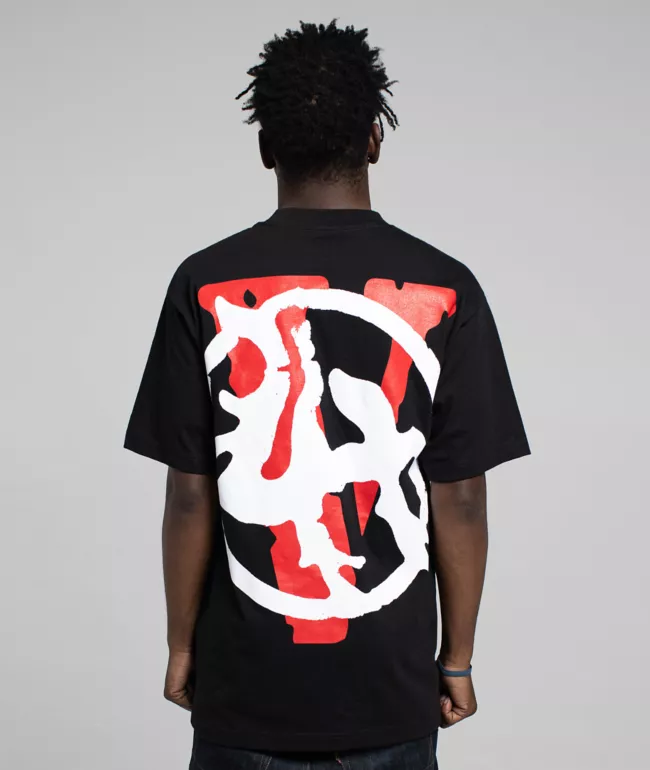
👉 Extremely cheap manufacturing often creates hidden operational costs later.
Common Problems With Low-Cost Factories
Brands frequently experience:
- Fabric inconsistencies
- Poor stitching quality
- Weak print durability
- Delayed timelines
- Communication problems
👉 Those issues can damage customer trust very quickly.
Why Experienced Brands Think Differently
As fashion brands grow, they usually prioritize:
- Product consistency
- Stable workflows
- Better communication
- Long-term manufacturing reliability
👉 Manufacturing stability often creates more value than lowest upfront pricing.
Overview of Fuki Apparel
FukiApparel is a streetwear-focused clothing manufacturer designed for startup and growth-stage fashion brands.
Key production features include:
- MOQ around 100 pcs
- Sampling in 7–10 days
- Bulk production in 25–35 days
- Full customization support
👉 The production system focuses heavily on balancing flexibility, quality, and scalable manufacturing support.
What Brands Are Paying For
Fuki Apparel pricing usually reflects more than basic garment production.
Brands are often investing in:
- Better customization flexibility
- Stronger QC systems
- Organized workflows
- Stable communication
- Repeat production consistency
👉 The value comes from manufacturing organization and reliability.
Why Workflow Systems Matter
Structured systems help reduce:
- Production mistakes
- Product inconsistencies
- Delayed launches
- Operational stress
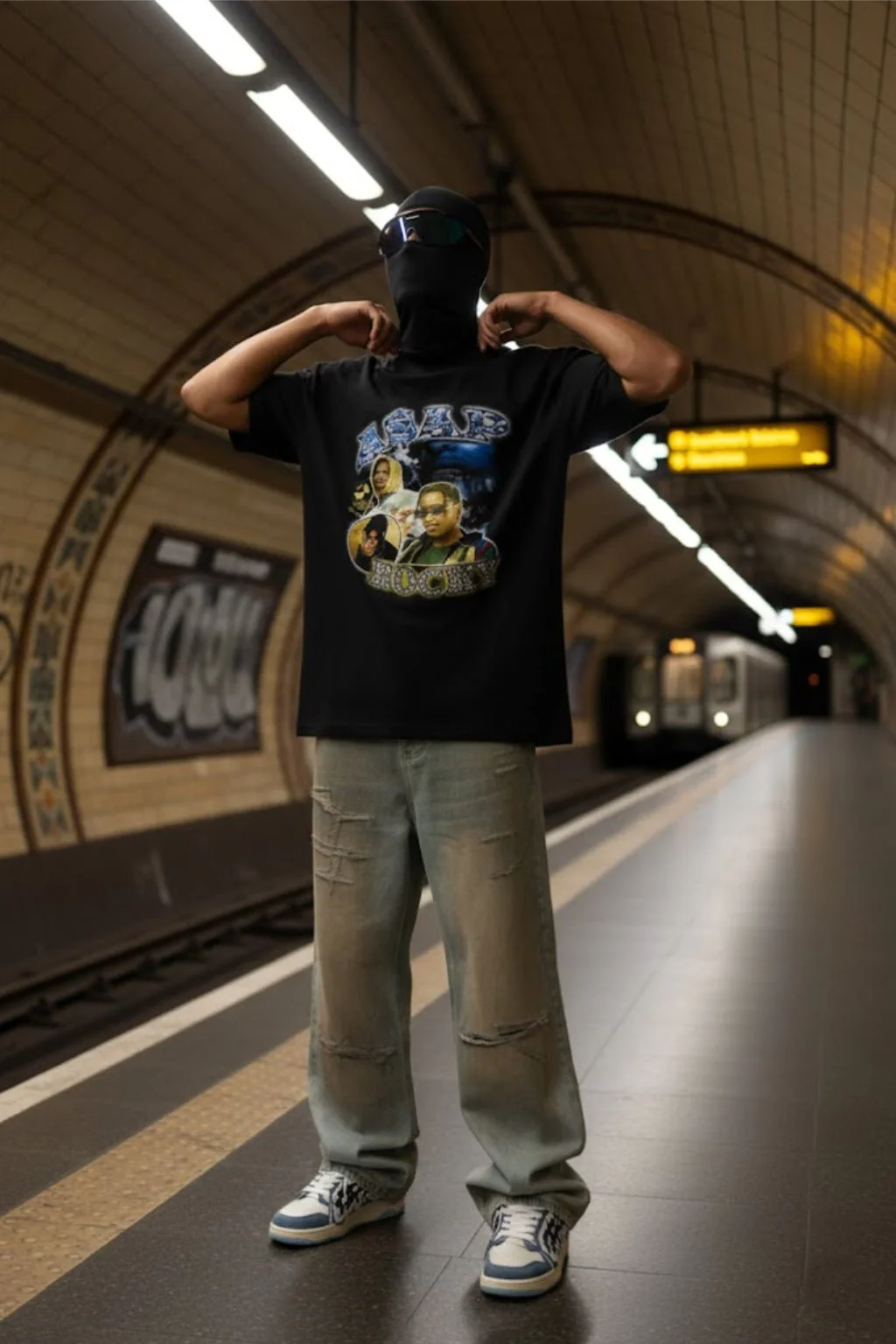
👉 Better organization improves long-term scalability.
Fabric Quality & Product Value
Fabric selection is one of the biggest differences between cheap and mid-range manufacturers.
Fuki Apparel supports:
- Heavyweight cotton
- French terry
- Washed fabrics
- Stretch materials
- Custom fabric sourcing
👉 Better materials naturally increase production cost.
Why Fabric Quality Matters
Modern customers quickly notice differences in:
- Fabric feel
- Weight
- Durability
- Garment structure
👉 Higher-quality fabrics often improve perceived brand value.
Customization & Production Complexity
Streetwear production often requires advanced customization.
Fuki Apparel supports:
- Puff printing
- Embroidery
- Vintage washes
- Oversized fits
- Custom labels and packaging
👉 More customization usually increases labor and production complexity.
Why Customization Affects Cost
Additional customization often requires:
- More labor time
- Specialized equipment
- Extra quality control
- More workflow coordination
👉 More technical garments naturally cost more to produce.
Quality Control & Production Consistency
One major reason many brands consider the cost vs quality balance worthwhile is production consistency.
Fuki Apparel focuses heavily on:
- Stable material sourcing
- Multi-stage quality control
- Sample-based production
- Repeat manufacturing consistency
👉 Strong QC systems help reduce defects and variation.
QC Workflow
| QC Stage | Purpose |
|---|---|
| Fabric Inspection | Verify material quality |
| In-Line QC | Detect production issues |
| Final Inspection | Review completed garments |
| Packaging Check | Confirm order accuracy |
👉 Better quality control often reduces returns and customer complaints.
MOQ Flexibility & Startup Accessibility
Another reason brands view the pricing as reasonable is startup accessibility.
Typical MOQ:
- Around 100 pcs
👉 Lower MOQ helps smaller brands:
- Reduce inventory pressure
- Test products gradually
- Manage cash flow more safely
Why Flexible MOQ Adds Value
Large MOQ requirements often create:
- Overstock risk
- Larger financial exposure
- Slower product testing
👉 Flexible production helps startups scale more sustainably.
Fuki Apparel vs Cheap Manufacturers
| Factor | Fuki Apparel | Cheap Manufacturers |
|---|---|---|
| Fabric Quality | More stable | Often inconsistent |
| Customization | Strong | Usually limited |
| Quality Control | Structured | Often basic |
| Workflow Systems | Organized | Varies heavily |
| Communication | More reliable | Sometimes weak |
| Long-Term Stability | Stronger | Often unstable |
👉 Lower pricing may reduce short-term cost, but stronger systems often improve long-term profitability.
Why Long-Term Value Matters More Than Cheap Pricing
Experienced fashion brands often focus on:
- Product consistency
- Customer retention
- Manufacturing reliability
- Repeat production accuracy
👉 Stable manufacturing systems often save money by reducing operational problems.
Why Some Brands Pay More
Brands often invest more in manufacturers that provide:
- Better quality control
- Lower production risk
- Organized workflows
- Stronger communication
👉 Long-term manufacturing stability often creates more business value over time.
FAQs
Is Fuki Apparel expensive?
It’s generally positioned as a mid-range manufacturer focused on balancing quality and long-term value.
Why are some factories much cheaper?
Often because they reduce costs through weaker materials, less QC, or unstable workflows.
Is Fuki Apparel good for startup brands?
Yes, especially because of lower MOQ flexibility and scalable systems.
Does better manufacturing improve profitability?
Absolutely — stable quality helps reduce returns and customer complaints.
Conclusion
So, is Fuki Apparel’s cost vs quality balance a good trade-off?
👉 For many modern fashion brands, yes.
Because successful apparel manufacturing depends on much more than finding the lowest possible price.
Brands also need:
- Product consistency
- Strong customization
- Stable workflows
- Reliable communication
- Long-term manufacturing scalability
And those are the areas where Fuki Apparel focuses most heavily.
For brands building long-term customer trust and scalable collections,
that kind of manufacturing stability often becomes far more valuable than simply choosing the cheapest factory available.
Internal Reference
👉 Build your brand with a scalable production partner: FukiApparel
Follow us for real production insights and updates:
- TikTok: Fuki Streetwear
- YouTube: Fuki Apparel
- Instagram: Fuki Streetwear
