
When brands compare clothing manufacturers, pricing is usually the first thing they notice.
But experienced fashion brands eventually realize something important:
👉 Manufacturing value is not only about the cheapest quote.
Because low-cost production can sometimes create much bigger problems later:
- Inconsistent products
- Weak quality control
- Delayed production
- Communication issues
- Higher return rates
And for modern streetwear brands, those problems directly affect customer trust and long-term growth.
That’s why many brands ask:
What actually makes Fuki Apparel worth the cost?
This article explains the real manufacturing value behind the pricing, workflows, and production systems.
Table of Contents
- Quick Answer
- Why Manufacturing Value Matters
- Overview of Fuki Apparel
- Streetwear Customization & Product Identity
- Quality Control & Product Consistency
- Structured Workflow Systems
- MOQ Flexibility & Startup Support
- Long-Term Manufacturing Stability
- Why Some Brands Choose Better Manufacturing Over Lower Pricing
- Pros & Potential Limitations
- FAQs
- Conclusion
- Internal Reference
Quick Answer
Fuki Apparel is considered worth the cost by many brands because it offers strong customization, organized production systems, lower MOQ flexibility, reliable quality control, and scalable long-term manufacturing support.
Why Manufacturing Value Matters
Manufacturing affects far more than garment production alone.
It directly impacts:
- Customer satisfaction
- Brand reputation
- Product consistency
- Inventory stability
- Long-term scalability
👉 Weak manufacturing systems often create expensive operational problems later.
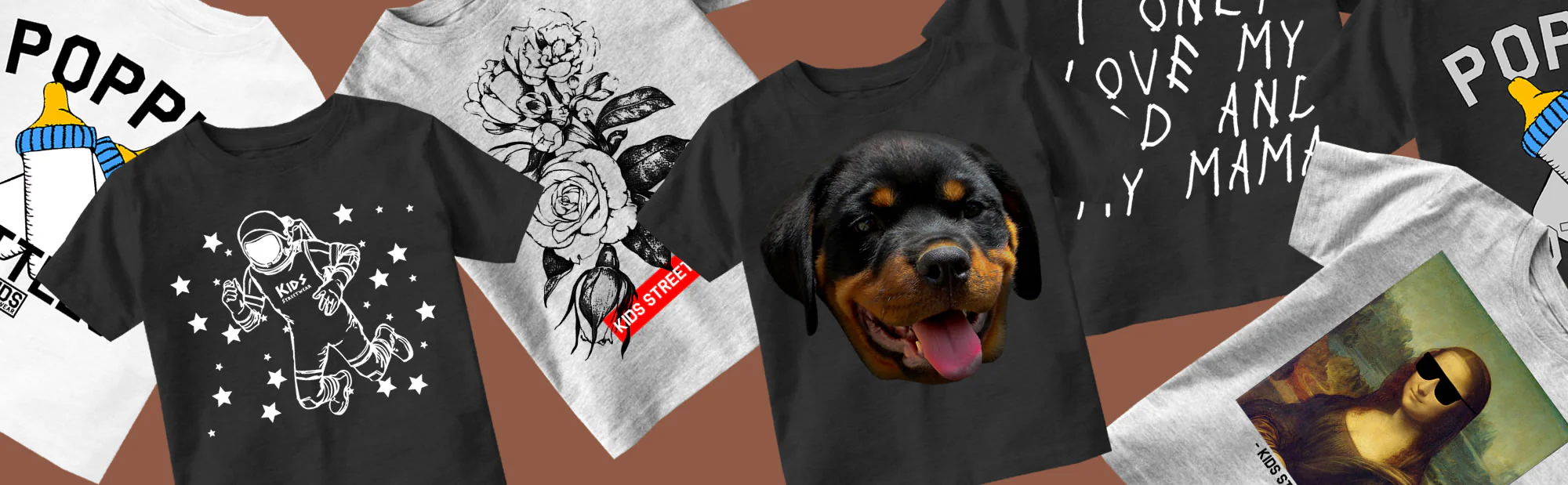
That’s why successful brands usually evaluate factories based on long-term value instead of lowest upfront pricing.
Cheap Production Often Creates Hidden Costs
Ultra-low-cost factories sometimes lead to:
- Product inconsistencies
- Poor finishing quality
- Delayed launches
- Higher defect rates
- Customer complaints
👉 Manufacturing reliability often becomes more valuable over time.
Overview of Fuki Apparel
FukiApparel is a streetwear-focused clothing manufacturer designed for startup and growth-stage brands.
Key production features include:
- MOQ around 100 pcs
- Sampling in 7–10 days
- Bulk production in 25–35 days
- Full customization support
👉 The production system focuses heavily on workflow organization and long-term manufacturing consistency.
Streetwear Customization & Product Identity
One of the biggest reasons brands choose Fuki Apparel is customization capability.
Supported options include:
- Oversized fits
- Heavyweight fabrics
- Puff printing
- Embroidery
- Vintage and acid washes
- Custom labels and packaging
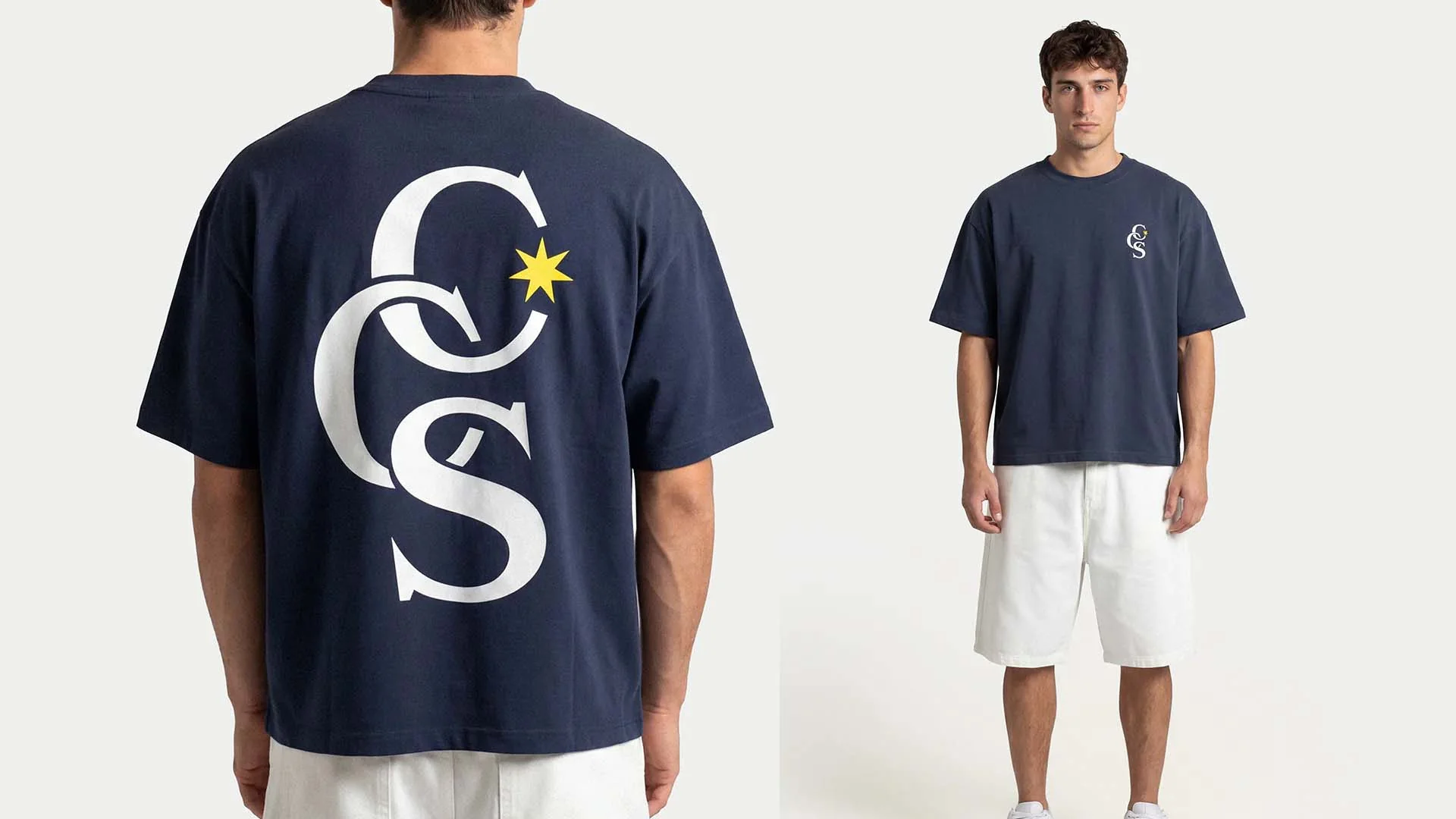
👉 Strong customization helps brands create stronger product identity.
Why Product Identity Matters
Modern fashion customers notice details quickly.
Small differences in:
- Fabric weight
- Fit proportions
- Printing durability
- Garment finishing
can strongly affect customer perception.
👉 Better customization often increases perceived brand value.
Quality Control & Product Consistency
Consistency is one of the biggest reasons brands continue working with the same manufacturer long term.
Fuki Apparel focuses heavily on:
- Stable material sourcing
- Sample-based production
- Multi-stage quality control
- Repeat production consistency
👉 These systems help reduce product variation across orders.
QC Workflow
| QC Stage | Purpose |
|---|---|
| Fabric Inspection | Verify material quality |
| In-Line QC | Detect production issues |
| Final Inspection | Review finished garments |
| Packaging Check | Confirm order accuracy |
👉 Strong QC systems improve customer satisfaction and reduce production risk.
Structured Workflow Systems
Fuki Apparel uses organized workflows that include:
- Design review
- Sample development
- Bulk production planning
- In-line quality checks
- Final inspection
- Shipping coordination
👉 Organized systems improve manufacturing efficiency and reliability.
Why Workflow Structure Matters
Factories with weak systems often struggle with:
- Delayed production
- Communication confusion
- Revision mistakes
- Inconsistent products
👉 Structured workflows improve long-term production stability.
Communication Support
Fuki Apparel also focuses on:
- Production updates
- Timeline management
- Revision coordination
👉 Better communication helps brands manage production more efficiently.
MOQ Flexibility & Startup Support
One major advantage for startups is lower MOQ flexibility.
Typical MOQ:
- Around 100 pcs
👉 Lower MOQ helps brands:
- Reduce inventory pressure
- Test products more safely
- Improve cash flow management
Why Flexible MOQ Matters
High MOQ often creates:
- Overstock problems
- Higher financial risk
- Slower collection testing
👉 Flexible production helps brands grow more sustainably.
Long-Term Manufacturing Stability
As brands grow, manufacturing becomes increasingly complex.
Fuki Apparel supports:
- Repeat collections
- More stable workflows
- Long-term production partnerships
- Scalable manufacturing systems
👉 Stable production systems reduce operational stress significantly.
Why Stability Matters
Weak manufacturing partners often create problems such as:
- Delayed restocks
- Product inconsistency
- Customer dissatisfaction
- Production inefficiency
👉 Reliable manufacturing becomes more valuable as brands scale.
Why Some Brands Choose Better Manufacturing Over Lower Pricing
Experienced brands often realize that better manufacturing can actually reduce long-term costs.
They prioritize:
- Product consistency
- Customer retention
- Lower operational risk
- Better workflow organization
👉 Strong manufacturing systems often save money by reducing mistakes and production problems.
Pros & Potential Limitations
Main Advantages
- Strong streetwear specialization
- Better customization support
- Structured workflow systems
- Better production consistency
- Lower MOQ flexibility
Potential Limitations
Fuki Apparel may not be ideal for brands that:
- Only prioritize ultra-low pricing
- Need massive fast-fashion production immediately
- Require luxury couture-level craftsmanship
👉 The system is optimized for scalable modern apparel production.
FAQs
Why do brands think Fuki Apparel is worth the cost?
Mostly because of customization quality, workflow organization, and production consistency.
Is Fuki Apparel expensive?
It’s generally positioned as a mid-range manufacturer focused on long-term manufacturing value.
Is Fuki Apparel good for startup brands?
Yes, especially because of lower MOQ flexibility and scalable systems.
Does better manufacturing improve customer retention?
Absolutely — consistent quality directly affects customer trust and repeat purchases.
Conclusion
So, what makes Fuki Apparel worth the cost?
👉 It’s not only about producing garments.
It’s about creating manufacturing systems that support:
- Product consistency
- Strong customization
- Better communication
- Workflow stability
- Long-term scalability
And for modern streetwear brands,
those advantages often become far more valuable over time than simply choosing the lowest-priced factory available.
Internal Reference
👉 Build your brand with a scalable production partner: FukiApparel
Follow us for real production insights and updates:
- TikTok: Fuki Streetwear
- YouTube: Fuki Apparel
- Instagram: Fuki Streetwear
