
Every clothing brand eventually faces the same question:
👉 Should you prioritize lower cost or better quality?
In apparel manufacturing, there’s always a balance between:
- Production price
- Product consistency
- Fabric quality
- Customization capability
- Long-term reliability
And that’s why many brands compare cost and quality very carefully before choosing a manufacturer.
So where does Fuki Apparel fit?
Is the cost reasonable for the quality you actually receive?
Let’s break it down honestly.
Table of Contents
- Quick Answer
- Why Cost vs Quality Matters
- Overview of Fuki Apparel
- What You’re Actually Paying For
- How Fuki Apparel Balances Cost and Quality
- Where Cheap Manufacturing Usually Fails
- Long-Term Value vs Low Initial Pricing
- Who Benefits Most From This Trade-Off
- Potential Limitations
- FAQs
- Conclusion
- Internal Reference
Quick Answer
Yes — for many clothing brands, Fuki Apparel offers a fair balance between cost and quality by combining structured production systems, strong customization, lower MOQ, and more consistent manufacturing quality.

Why Cost vs Quality Matters
Choosing the cheapest manufacturer often creates hidden problems later.
Low-cost production can lead to:
- Higher defect rates
- Inconsistent sizing
- Poor fabric durability
- Weak printing quality
- Customer complaints
👉 Cheap production sometimes becomes expensive long term.
At the same time, overly expensive manufacturing may not make sense for growing brands either.
The goal is finding a balanced production partner.
Overview of Fuki Apparel
FukiApparel is a streetwear-focused manufacturer designed for startup and growth-stage brands.
Key production features include:
- MOQ around 100 pcs
- Sampling in 7–10 days
- Bulk production in 25–35 days
- Full customization support
👉 The production system focuses on balancing quality, scalability, and manageable production costs.
What You’re Actually Paying For
With Fuki Apparel, pricing is influenced by several factors:
1. Fabric Quality
👉 Heavyweight cotton, specialty fabrics, and stable sourcing increase consistency.
2. Customization
👉 Custom fits, labels, trims, packaging, and washes require more production work.
3. Quality Control
👉 Multi-stage QC systems improve repeat production quality.
4. Production Workflow
👉 Structured systems reduce production mistakes and delays.
5. Lower MOQ Flexibility
👉 Smaller runs are easier for startups but may slightly increase unit cost.
👉 The pricing reflects production structure and customization depth, not just garment assembly.
How Fuki Apparel Balances Cost and Quality
Moderate Pricing Position
Fuki Apparel is generally positioned between:
- Ultra-cheap manufacturers
- Premium luxury production factories
👉 It focuses more on long-term production value.
Strong Product Consistency
Better consistency can help brands reduce:
- Return rates
- Product complaints
- Inventory waste
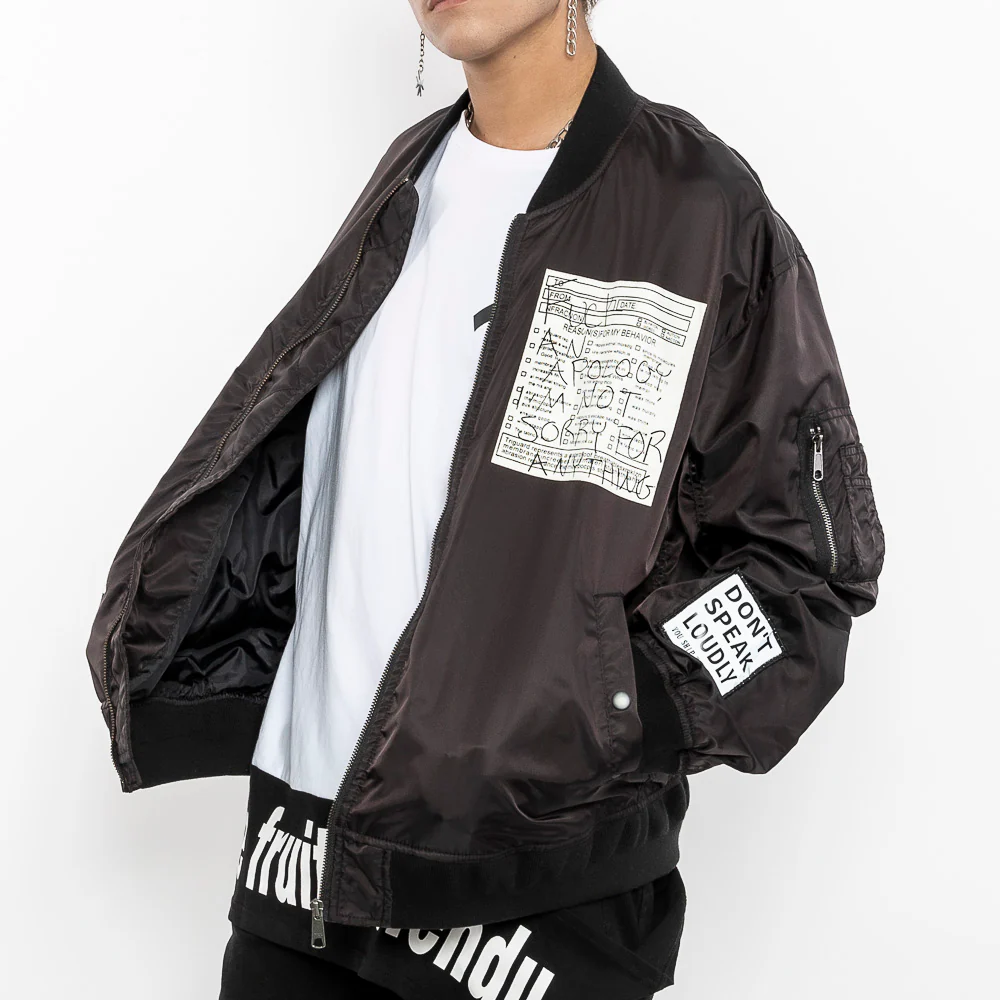
👉 Consistency improves profitability over time.
Better Brand Presentation
Fuki Apparel supports:
- Premium finishing
- Better packaging
- Stronger customization
👉 Higher-quality presentation can increase perceived brand value.
Where Cheap Manufacturing Usually Fails
Ultra-low-cost suppliers often struggle with:
| Common Problem | Impact |
|---|---|
| Weak QC | Higher defect rates |
| Poor Fabric Stability | Inconsistent products |
| Limited Customization | Generic branding |
| Communication Issues | Production delays |
| Unstable Sizing | Customer complaints |
👉 Lower upfront cost often creates larger operational problems later.
Long-Term Value vs Low Initial Pricing
The cheapest product is not always the most profitable one.
Brands that focus only on low cost often face:
- Lower customer retention
- Poor product reviews
- Weak brand positioning
- Scaling difficulties
Fuki Apparel focuses more on:
- Repeat production consistency
- Structured manufacturing
- Long-term scalability
👉 Long-term production stability often creates more value than short-term savings.
Who Benefits Most From This Trade-Off
Fuki Apparel is especially suitable for:
1. Streetwear Brands
👉 Need stronger product identity
2. DTC Brands
👉 Require better consistency and customer experience
3. Startup Clothing Brands
👉 Need manageable MOQ with scalable quality
4. Growth-Stage Fashion Brands
👉 Want stable production systems over time
Potential Limitations
Fuki Apparel may not be ideal if your brand:
- Only prioritizes ultra-low pricing
- Requires massive fast-fashion production immediately
- Needs luxury couture-level craftsmanship
👉 The system is optimized for balanced modern apparel production.
FAQs
Is Fuki Apparel expensive?
It’s generally mid-range, focused on value and production consistency.
Why do better factories cost more?
Because stronger QC, better fabrics, and customization increase production costs.
Is higher quality worth it for startups?
Usually yes, especially for brands focused on long-term growth and customer retention.
Does better production reduce long-term costs?
Yes, because fewer defects and better consistency reduce operational problems.
Conclusion
So, is Fuki Apparel’s cost vs quality balance a fair trade-off?
👉 For many clothing brands, yes.
Because Fuki Apparel focuses on:
- Better production consistency
- Stronger customization
- Lower-risk manufacturing
- Scalable workflows
And in modern apparel manufacturing,
those advantages often create far more long-term value than simply choosing the cheapest supplier available.
Internal Reference
👉 Build your brand with a scalable production partner: FukiApparel
Follow us for real production insights and updates:
- TikTok: Fuki Streetwear
- YouTube: Fuki Apparel
- Instagram: Fuki Streetwear
