
For clothing brands, consistency is everything.
One great sample is not enough.
What really matters is whether a manufacturer can consistently deliver:
- The same sizing
- The same fabric quality
- The same print results
- The same garment finishing
Across multiple orders and production runs.
Because inconsistent production often leads to:
- Customer complaints
- High return rates
- Inventory problems
- Damaged brand reputation
So the real question is:
Can Fuki Apparel deliver consistent clothing quality over time?
Let’s break it down honestly.
Table of Contents
- Quick Answer
- Why Consistency Matters in Clothing Production
- Overview of Fuki Apparel
- How Fuki Apparel Maintains Consistent Quality
- Quality Control Systems Explained
- Sample-to-Bulk Consistency
- What Can Affect Production Consistency
- Who Benefits Most From Consistent Production
- FAQs
- Conclusion
- Internal Reference
Quick Answer
Yes — Fuki Apparel focuses heavily on structured workflows, sample-based production, and multi-stage quality control systems to help brands achieve more consistent clothing quality across bulk orders.
Why Consistency Matters in Clothing Production
Many brands underestimate how important consistency really is.
Even small production differences can affect:
- Customer trust
- Product reviews
- Repeat purchases
- Brand reputation
For example:
- A different fabric feel
- Slight sizing changes
- Uneven printing quality

👉 These issues become much bigger as brands scale.
Consistent production creates a more reliable customer experience.
Overview of Fuki Apparel
FukiApparel is a streetwear-focused manufacturer built for startup and growth-stage clothing brands.
Key features include:
- MOQ around 100 pcs
- Sampling in 7–10 days
- Bulk production in 25–35 days
- Full customization (fabric, fit, trims, packaging)
👉 The production system is designed to improve repeatability and consistency.
How Fuki Apparel Maintains Consistent Quality
1. Sample-First Production
Every project starts with sampling.
This allows brands to confirm:
- Fit
- Fabric quality
- Print placement
- Construction details
👉 Approved samples become the reference standard for bulk production.
2. Structured Workflow Systems
The production process follows organized stages:
- Design confirmation
- Material sourcing
- Sample approval
- Bulk manufacturing
- Final QC
👉 Structured systems reduce production variation.
3. Stable Material Sourcing
Consistency depends heavily on materials.
Fuki Apparel works to maintain:
- Fabric consistency
- Color consistency
- Trim matching
- Stable printing materials
👉 Better material control improves repeat production quality.
4. Multi-Stage Quality Control
Quality checks happen throughout production.
This includes:
- Fabric inspection
- In-line QC during sewing and printing
- Final inspection before shipping
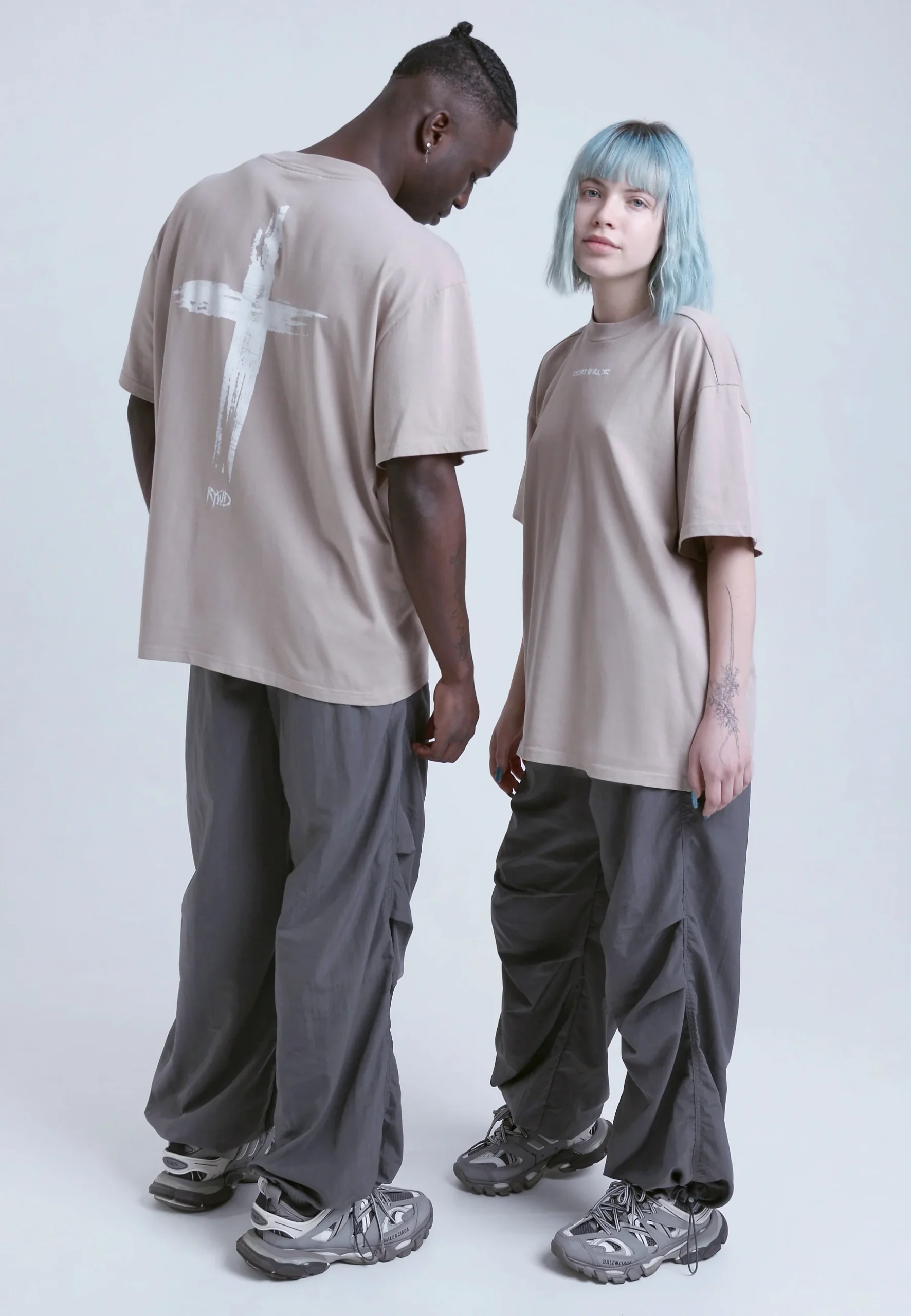
👉 Multiple checkpoints reduce defect rates.
Quality Control Systems Explained
| QC Stage | Purpose |
|---|---|
| Fabric Inspection | Check material consistency |
| In-Line QC | Identify issues during production |
| Final Inspection | Verify finished garments |
| Packaging Check | Confirm labeling and quantities |
👉 Multi-stage QC is critical for long-term consistency.
Sample-to-Bulk Consistency
One of the biggest manufacturing challenges is matching bulk production to the approved sample.
Fuki Apparel helps reduce this gap through:
- Approved sample references
- Standardized production methods
- Consistent workflow systems
👉 Better sample-to-bulk accuracy improves customer trust.
What Can Affect Production Consistency
Even strong factories can face challenges when brands frequently change:
- Fabrics
- Measurements
- Printing methods
- Product specifications
Other factors include:
Complex Wash Techniques
👉 Vintage washes naturally create some variation
Fabric Availability
👉 Different material batches may vary slightly
Last-Minute Revisions
👉 Mid-production changes increase inconsistency risk
👉 Clear planning helps maintain stronger consistency.
Who Benefits Most From Consistent Production
Consistent production is especially important for:
1. Streetwear Brands
👉 Customers notice fit and wash differences quickly
2. DTC Brands
👉 Product consistency affects online reviews heavily
3. Scaling Fashion Brands
👉 Repeat customers expect stable product quality
4. Long-Term Clothing Businesses
👉 Consistency supports stronger brand reputation
FAQs
Can Fuki Apparel maintain consistent sizing?
Yes, structured production systems help improve sizing stability.
How does Fuki Apparel reduce defects?
Through multi-stage quality control during production.
Why is sample approval important?
Because the approved sample becomes the bulk production reference.
Is consistency more important as brands scale?
Absolutely — scaling brands depend heavily on repeatable product quality.
Conclusion
So, can Fuki Apparel deliver consistent clothing quality?
👉 Yes — especially compared to many factories with weaker production systems.
Because consistency comes from more than skilled sewing alone.
It comes from:
- Structured workflows
- Stable material sourcing
- Sample-based production
- Strong quality control systems
And for growing streetwear brands,
those systems become increasingly valuable over time.
Internal Reference
👉 Build your brand with a consistent production partner: FukiApparel
Follow us for real production insights and updates:
- TikTok: Fuki Streetwear
- YouTube: Fuki Apparel
- Instagram: Fuki Streetwear
