
For many clothing brands, manufacturing can feel like a black box.
You send designs to a factory…
and weeks later, products arrive.
But behind every successful collection is a structured production process that affects:
- Product quality
- Delivery timelines
- Consistency
- Customer satisfaction
So what actually happens behind the scenes at Fuki Apparel?
Let’s walk through the full process step by step.
Table of Contents
- Quick Answer
- Overview of Fuki Apparel
- Why Production Systems Matter
- Step 1: Design & Tech Pack Review
- Step 2: Fabric & Material Selection
- Step 3: Sampling Process
- Step 4: Bulk Production Preparation
- Step 5: Bulk Manufacturing
- Step 6: Quality Control
- Step 7: Packaging & Shipping
- How Fuki Apparel Maintains Consistency
- FAQs
- Conclusion
- Internal Reference
Quick Answer
Fuki Apparel uses a structured production process that includes design review, fabric sourcing, sampling, bulk manufacturing, quality control, and shipping coordination, helping brands achieve more consistent and scalable production.
Overview of Fuki Apparel
FukiApparel is a streetwear-focused manufacturer built for startup and growth-stage brands that need:
- Full customization
- Consistent production quality
- Scalable manufacturing systems
- Structured workflows
Key production features include:
- MOQ around 100 pcs
- Sampling in 7–10 days
- Bulk production in 25–35 days
- Full fabric, fit, and branding customization
👉 The system is designed to balance flexibility with production control.
Why Production Systems Matter
A strong production system helps brands avoid:
- Inconsistent sizing
- Printing defects
- Fabric problems
- Shipping delays
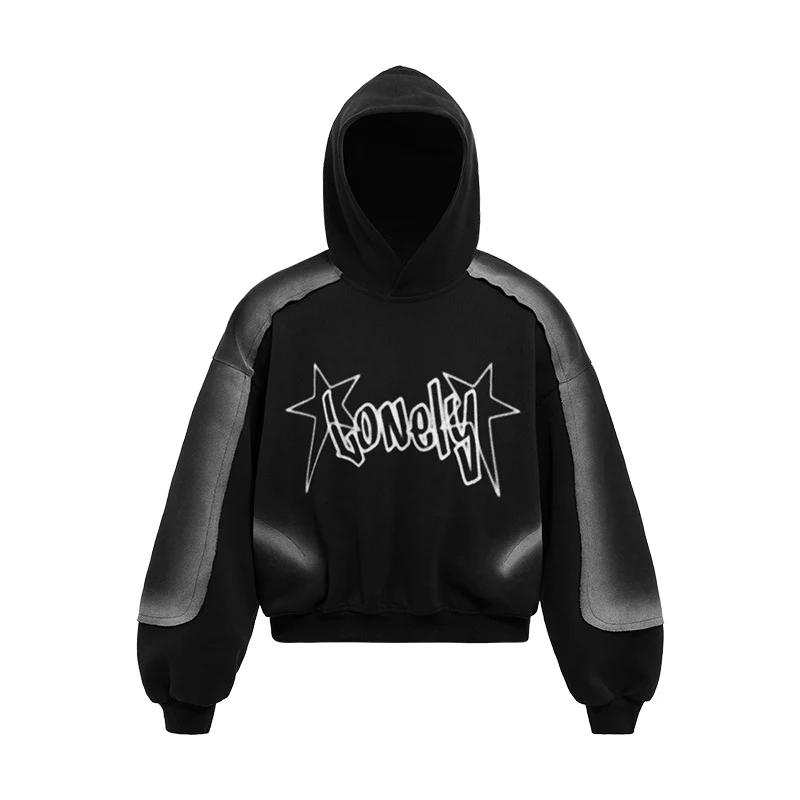
Without structure, manufacturing becomes unpredictable.
👉 Good production systems improve both product quality and operational efficiency.
Step 1: Design & Tech Pack Review
Every project starts with design confirmation.
This stage includes:
- Reviewing tech packs
- Confirming garment measurements
- Checking print placements
- Verifying fabric requirements
👉 Clear specifications reduce production mistakes later.
Step 2: Fabric & Material Selection
Once designs are confirmed, materials are selected.
This may include:
- Heavyweight cotton
- French terry
- Washed fabrics
- Ribbing and trims
- Labels and packaging materials
👉 Material selection strongly affects product quality and brand positioning.
Step 3: Sampling Process
Before bulk production begins, samples are developed.
This stage allows brands to review:
- Fit
- Fabric feel
- Printing quality
- Embroidery details
- Wash effects
Typical sampling timeline:
- Around 7–10 days
👉 Sampling helps catch problems before mass production.
Step 4: Bulk Production Preparation
After sample approval:
- Fabrics are prepared
- Production schedules are arranged
- Materials are organized for manufacturing
This stage improves workflow efficiency and production planning.
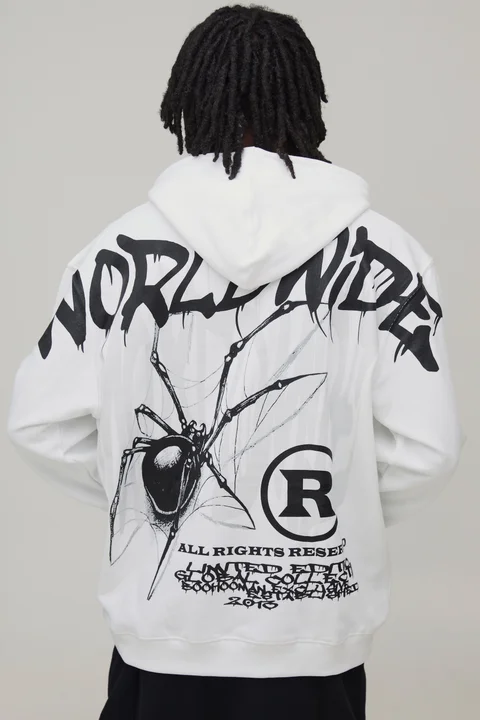
👉 Better preparation reduces delays during manufacturing.
Step 5: Bulk Manufacturing
Bulk production typically includes:
- Fabric cutting
- Sewing
- Printing or embroidery
- Washing and finishing
- Final garment assembly
Typical bulk production timeline:
- Around 25–35 days
👉 Organized production stages improve consistency across orders.
Step 6: Quality Control
Quality control happens throughout production.
This includes:
Fabric Inspection
👉 Checks material quality before production
In-Line QC
👉 Detects problems during sewing and printing
Final Inspection
👉 Reviews finished garments before shipping
👉 Multi-stage QC helps reduce defect rates.
Step 7: Packaging & Shipping
Once products pass inspection:
- Garments are packed
- Labels and packaging are applied
- Shipping arrangements are confirmed
Customization may include:
- Custom poly bags
- Hangtags
- Branded packaging
👉 Packaging also affects customer experience and brand presentation.
How Fuki Apparel Maintains Consistency
Consistency is one of the most important parts of scaling a clothing brand.
Fuki Apparel maintains consistency through:
- Sample-first production
- Structured workflows
- Repeat production standards
- Multi-stage quality control
👉 These systems help brands reorder products more confidently.
FAQs
How long does production usually take?
Sampling usually takes 7–10 days, while bulk production typically takes 25–35 days.
Does Fuki Apparel offer full customization?
Yes, including fabrics, labels, packaging, printing, and garment fits.
Why is sampling important?
Sampling helps prevent costly production mistakes before bulk manufacturing begins.
Is quality control included?
Yes, multiple QC stages are used throughout production.
Conclusion
So, what does the production process inside Fuki Apparel actually look like?
👉 Structured
👉 Collaborative
👉 Scalable
👉 Quality-focused
From design review to final shipping, the system is built to help clothing brands create more consistent products with lower production risk.
And for growing streetwear brands,
that kind of production structure becomes increasingly important over time.
Internal Reference
👉 Explore custom production with: FukiApparel
Follow us for real production insights and updates:
- TikTok: Fuki Streetwear
- YouTube: Fuki Apparel
- Instagram: Fuki Streetwear
