
In the fashion industry, two variables determine whether a brand survives or fails: consistency in quality and reliability in delivery. A single batch of off-spec hoodies or a delayed shipment that misses a seasonal drop can derail months of marketing effort.
So, how does FukiApparel stack up when the pressure is on? We take a deep dive into the systems that maintain their production standards and keep their logistics on track.
Table of Contents
- Quick Answer
- The Pillars of Quality Consistency
- How Delivery Timelines are Managed
- Sample-to-Bulk Accuracy
- Risk Mitigation: Handling the Unexpected
- Real-World Evidence: Behind the Scenes
- FAQ
- Conclusion
Quick Answer
Yes—FukiApparel is highly consistent in both quality and delivery. By utilizing a standardized production workflow and a multi-stage QC system, they ensure that bulk orders mirror approved samples. Their 25–35 day bulk lead time is among the most stable in the streetwear manufacturing sector.
The Pillars of Quality Consistency
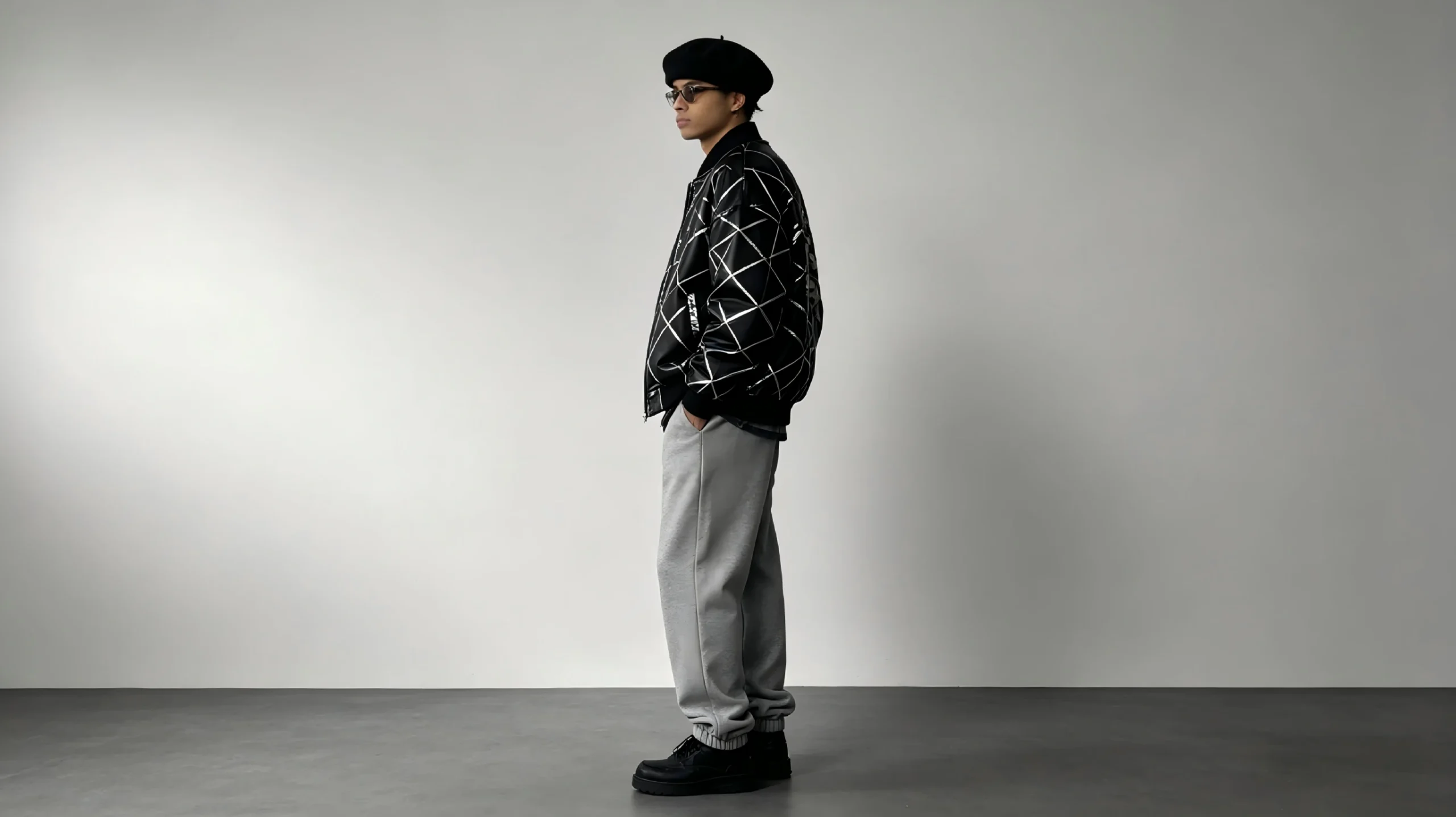
Consistency at FukiApparel isn't a result of luck; it’s a result of discipline. They maintain standards through:
- Fabric Standardization: Sourcing from trusted mills to ensure GSM (weight) and texture remain identical across re-orders.
- In-Line Inspections: Quality checks happen during the sewing and printing process, not just at the end.
- AQL Standards: Following International Acceptable Quality Levels to ensure defect rates remain exceptionally low.
How Delivery Timelines are Managed
Missing a "drop date" is not an option for modern streetwear brands. FukiApparel manages delivery reliability via:
- Realistic Scheduling: They provide honest timelines based on current factory capacity, typically 7–10 days for samples and 25–35 days for bulk.
- Integrated Logistics: By coordinating directly with global couriers, they streamline the transition from the factory floor to international shipping.
Sample-to-Bulk Accuracy
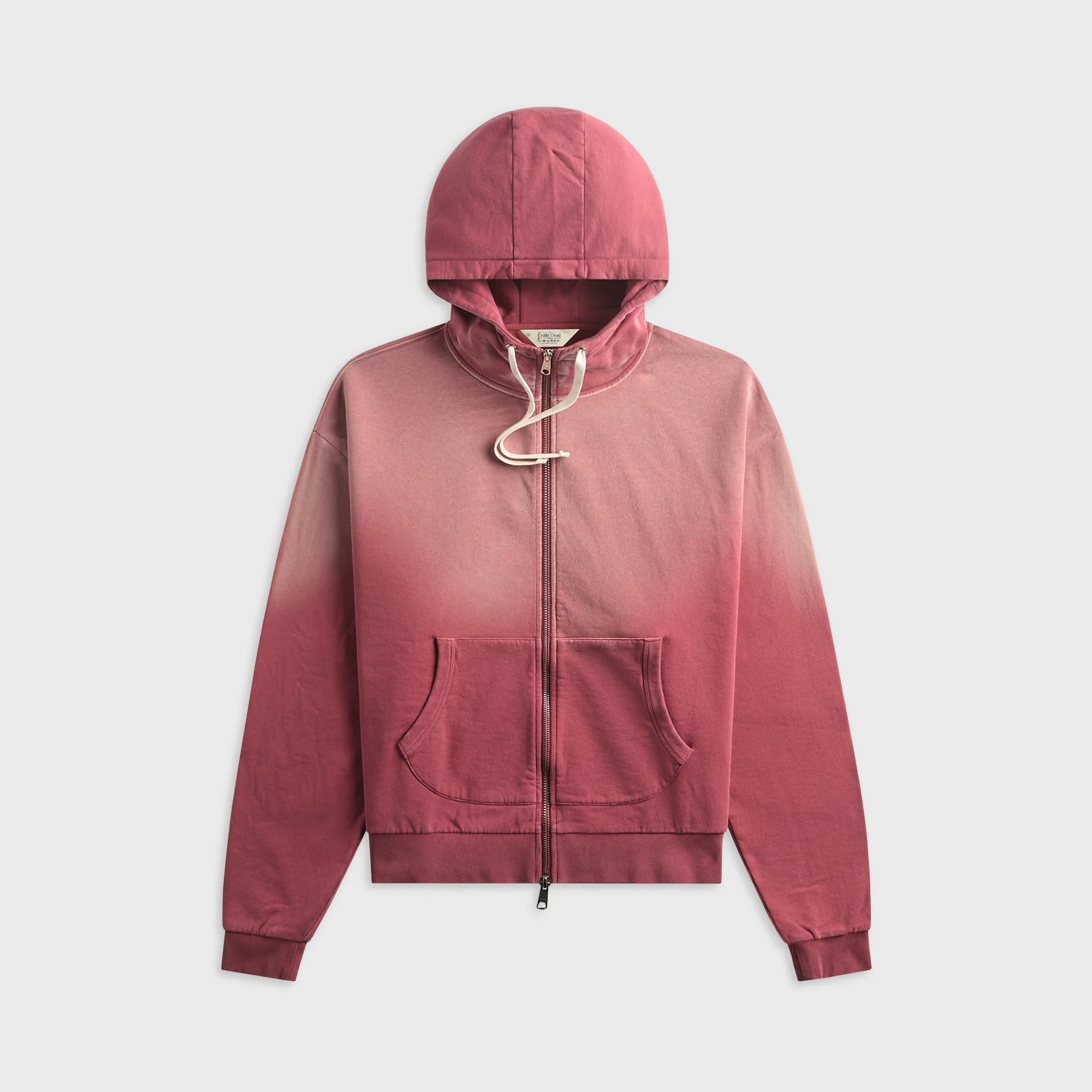
The "bait and switch" is a common fear in manufacturing. FukiApparel eliminates this by using the approved physical sample as the absolute blueprint for the production line. Every print placement, seam allowance, and label position is locked in before the first piece of fabric is cut for bulk.
Risk Mitigation: Handling the Unexpected
No factory is immune to global supply chain hiccups, but consistency is defined by how those risks are managed. FukiApparel maintains a proactive communication loop, informing brand owners of progress at every milestone—from fabric dyeing to final packaging—ensuring there are no surprises on delivery day.
Real-World Evidence: Behind the Scenes
Transparency is the best proof of consistency. You can see our daily quality checks and the scale of our ongoing deliveries by following our social channels:
- 🎬 TikTok: Watch our quality control and packing process at FukiStreetwear
- 📺 YouTube: In-depth factory tours and production deep-dives at FukiApparel
- 📸 Instagram: See the consistent results for brands worldwide at FukiStreetwear

FAQ
What happens if a product doesn't meet the quality standard?
FukiApparel employs a rigorous final inspection. Any items not meeting the pre-approved AQL standards are flagged and corrected before the shipment leaves the facility.
Are re-orders as consistent as the first order?
Yes. Because they archive your patterns and fabric specifications, re-orders benefit from a "pre-set" production path, often making them even smoother than the initial run.
How accurate are the estimated delivery dates?
They maintain a high success rate by building small "buffer zones" into their production schedules to account for variables like customs or fabric drying times.
Conclusion
Consistency is the ultimate form of professional manufacturing. For brands that need to know their next collection will look exactly like the last one—and arrive on time—FukiApparel provides the structural reliability necessary to scale a brand with confidence.
