
Consistency is one of the hardest things to achieve in clothing manufacturing.
👉 One good sample is easy.
👉 Delivering the same quality across hundreds or thousands of pieces is the real challenge.
So the question is:
Can you rely on Fuki Apparel for consistent production?
From my experience working with different factories, consistency comes down to systems, not promises. In this article, I’ll break down how Fuki Apparel performs in real production scenarios.
Table of Contents
- Quick Answer
- What “Consistent Production” Really Means
- Overview of Fuki Apparel
- How Fuki Apparel Maintains Consistency
- Common Causes of Inconsistency (And How They’re Managed)
- Consistency vs Other Factories
- When You Can Rely on Fuki Apparel
- FAQs
- Conclusion
- Internal Reference
Quick Answer
Yes — you can rely on Fuki Apparel for consistent production, thanks to its structured workflow, quality control system, and sample-based production standards. However, consistency also depends on clear communication and approved specifications.
What “Consistent Production” Really Means
In apparel manufacturing, consistency means:
- Bulk products match the approved sample
- Sizes are accurate across all units
- Fabric quality remains stable
- Prints and colors are uniform
- Defect rates are minimized
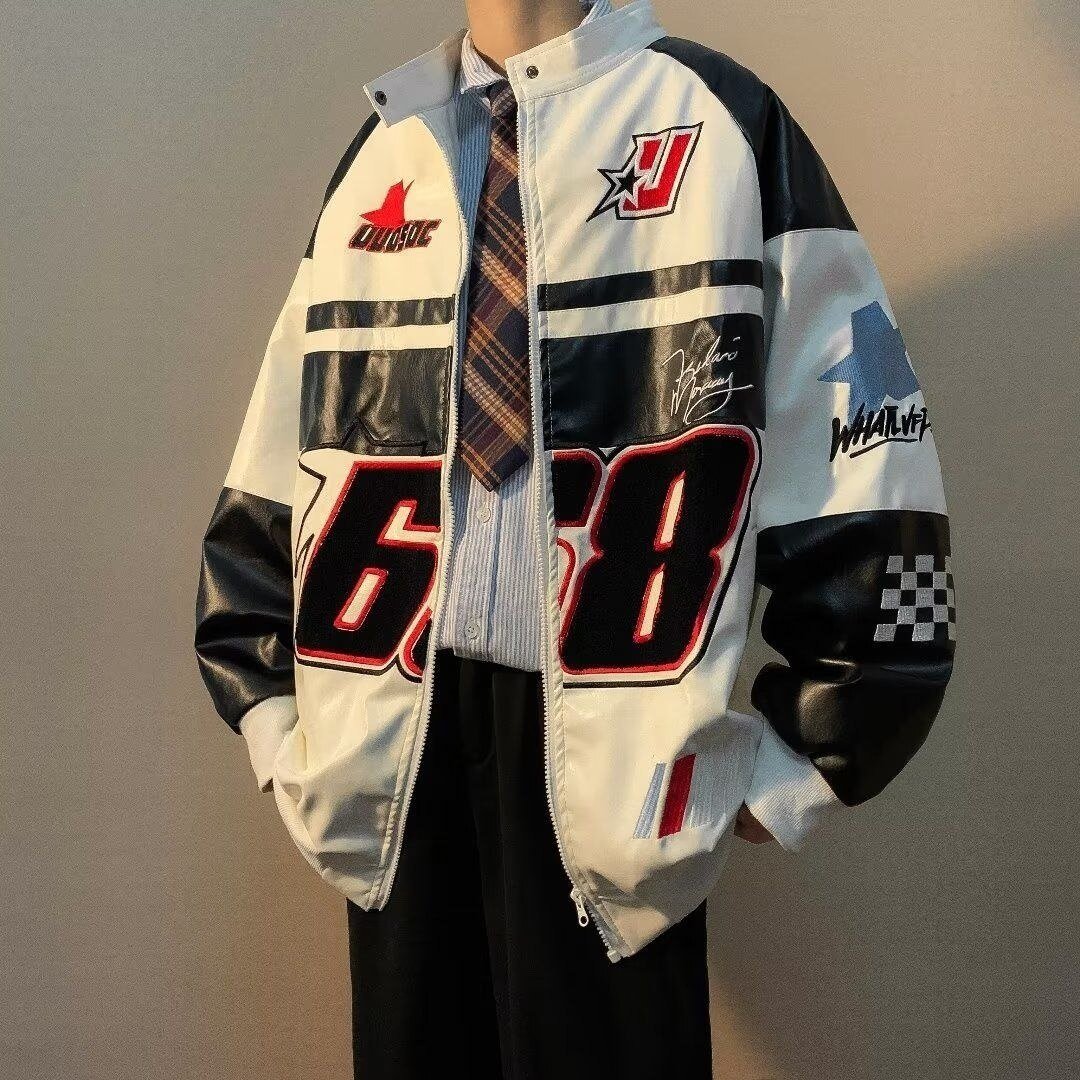
👉 Most factories struggle here because they lack process control.
Overview of Fuki Apparel
FukiApparel is a streetwear-focused clothing manufacturer built for brands that require both flexibility and reliability.
Core capabilities:
- Low MOQ (~100 pcs)
- Full customization options
- Sampling (7–10 days)
- Bulk production (25–35 days)
👉 The key difference is its focus on repeatable production quality.
How Fuki Apparel Maintains Consistency
1. Sample-Based Production Standard
- Every bulk order is based on an approved sample
- Key details are locked before production
👉 This ensures alignment between expectation and output.
2. Fabric Inspection Before Production
- Fabric is checked before cutting
- Defects are identified early
👉 Prevents issues from spreading across the entire batch.
3. In-Line Production Checks
- Quality is monitored during sewing and printing
- Problems are corrected immediately
👉 This reduces large-scale defects.
4. Final Quality Control (AQL)
- Finished products are inspected
- Defect rates are controlled using AQL standards
👉 Ensures only acceptable products are shipped.
5. Standardized Workflow
- Design confirmation
- Sampling
- Bulk production
- Quality control
- Shipping
👉 A repeatable process is key to consistent results.
Common Causes of Inconsistency (And How They’re Managed)
Even with a good factory, issues can happen.
1. Fabric Variation
- Managed through pre-production inspection
2. Size Inconsistency
- Controlled via standardized patterns and measurements
3. Print or Color Differences
- Minimized through sample approval and production checks
4. Communication Gaps
- Reduced with clear updates and confirmations
👉 Consistency is not about avoiding all issues — it’s about controlling them.
Consistency vs Other Factories
| Factor | Fuki Apparel | Typical Factory |
|---|---|---|
| Sample-to-Bulk Accuracy | High | Often inconsistent |
| Quality Control | Structured | Basic or unclear |
| Fabric Stability | Checked | Not always controlled |
| Production Process | Standardized | Varies |
| Communication | Clear | Often delayed |
👉 The biggest advantage is predictability.
When You Can Rely on Fuki Apparel
You can expect strong consistency if:
- You approve samples carefully
- Your specifications are clear
- You communicate key details upfront
It works best for:
- Streetwear brands
- Startup brands scaling gradually
- Brands that prioritize quality
👉 Consistency improves when both sides follow the process.
FAQs
Does bulk production match the sample?
Yes, when the sample is properly approved and specifications are clear.
What quality standards are used?
AQL inspection and in-line quality checks.
Can consistency be maintained across multiple orders?
Yes, with standardized production processes.
What is the biggest risk to consistency?
Unclear design details or last-minute changes.
Conclusion
So, can you rely on Fuki Apparel for consistent production?
👉 Yes — because consistency is built into its process, quality control, and workflow.
But like any manufacturing partnership:
👉 The best results come when both sides follow a clear, structured approach.
Internal Reference
👉 Work with a reliable production partner: FukiApparel
Follow us for real production insights and updates:
- TikTok: Fuki Streetwear
- YouTube: Fuki Apparel
- Instagram: Fuki Streetwear