
Table of Contents
- Quick Answer
- Who This Guide Is For
- What Is the Streetwear Production Process?
- Full Step-by-Step Production Workflow
- Timeline Overview for Startups
- Key Materials & Trims Explained
- Sampling vs Bulk Production
- Cost Breakdown for Beginners
- Common Production Pitfalls
- Startup Decision Guide
- Production Checklist
- FAQ
- Conclusion
- Internal Reference
Quick Answer
The streetwear production process includes:
- product design
- fabric sourcing
- pattern making
- sampling
- revisions
- bulk production
- quality control
- shipping
From my experience, startups often underestimate how many steps are involved — but once you understand the workflow, everything becomes much easier to manage.
Who This Guide Is For
This guide is designed for:
- new fashion startups
- first-time streetwear founders
- brands moving from concept to production
- entrepreneurs struggling with manufacturers
If you're unsure how clothing actually gets made, this guide will clarify everything.
What Is the Streetwear Production Process?
Streetwear production is the process of turning a design idea into a finished garment.
It involves multiple stages, including:
- design development
- sourcing materials
- garment construction
- finishing and packaging
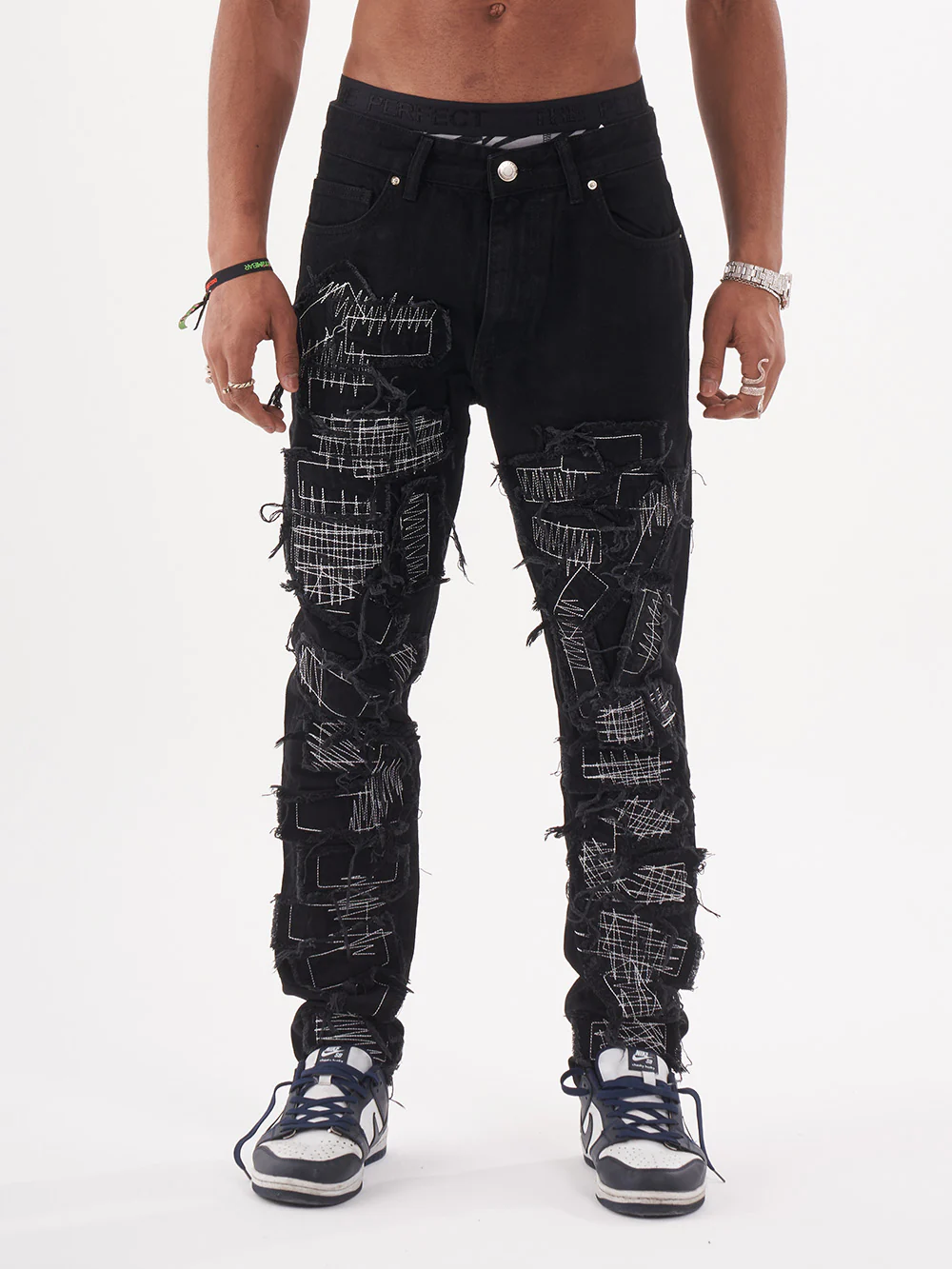
Industry platforms like Business of Fashion often highlight how production efficiency impacts brand profitability.
Full Step-by-Step Production Workflow
Here’s how streetwear production typically works.
Step 1: Concept & Design
You define:
- product type (hoodie, tee, shorts)
- style direction
- branding elements
Step 2: Tech Pack or Reference
You provide:
- measurements
- materials
- construction details
If you don’t have a tech pack, clear references can still work.
Step 3: Fabric & Trim Sourcing
Factories source:
- fabrics (cotton, fleece, nylon)
- trims (zippers, labels, drawstrings)
Step 4: Pattern Making
Patterns define:
- fit
- sizing
- garment structure
Step 5: Sample Development
A prototype is created to test:
- fit
- fabric quality
- construction
Step 6: Revisions
You adjust:
- sizing
- materials
- details
This step may take 1–2 rounds.
Step 7: Bulk Production
Once approved, factories begin mass production.
This includes:
- cutting
- sewing
- printing or embroidery
Step 8: Quality Control
Products are checked for:
- defects
- consistency
- finishing quality
Step 9: Packaging & Shipping
Final products are packed and delivered.
Platforms like Highsnobiety often emphasize how product presentation affects brand perception.
Timeline Overview for Startups
Here’s a realistic production timeline.
| Stage | Time |
|---|---|
| design & planning | 3–7 days |
| sampling | 7–14 days |
| revisions | 3–7 days |
| bulk production | 14–28 days |
| shipping | 5–10 days |
👉 Total: 4–8 weeks
Key Materials & Trims Explained
Understanding materials helps you make better decisions.
Common Fabrics
| Fabric | Use |
|---|---|
| cotton | T-shirts |
| fleece | hoodies |
| mesh | shorts |
| nylon | technical wear |
Common Trims
- woven labels
- hang tags
- zippers
- drawstrings
Choosing the right combination improves product quality.
Sampling vs Bulk Production
Many beginners misunderstand this step.
Comparison
| Stage | Purpose |
|---|---|
| sample | testing and adjustments |
| bulk | final production |
Key Rule
Never skip sampling — it’s your quality control checkpoint.
Cost Breakdown for Beginners
Understanding costs helps avoid budget mistakes.
Typical Cost Structure
| Component | Impact |
|---|---|
| fabric | 40–60% of cost |
| labor | varies by region |
| customization | adds cost |
| packaging | small but important |
Example
- hoodie cost: $18
- retail price: $60–$80
Margins are necessary for growth.
Common Production Pitfalls
Avoid these mistakes:
1. Rushing Production
Leads to poor quality and delays.
2. Poor Communication
Causes incorrect samples and wasted time.
3. Ignoring Fit
Fit issues are one of the biggest complaints in streetwear.
4. Underestimating Costs
Always include buffer budget.
Startup Decision Guide
Use this to decide your next step.
| Situation | Recommendation |
|---|---|
| low budget | start with 1 product |
| no experience | choose simple designs |
| testing market | use small batch production |
| scaling brand | move to bulk production |
Production Checklist
Before production, confirm:
| Task | Done |
|---|---|
| design finalized | ✓ |
| fabric selected | ✓ |
| sample approved | ✓ |
| pricing confirmed | ✓ |
| timeline agreed | ✓ |
FAQ
How long does streetwear production take?
Usually 4–8 weeks, depending on complexity.
What is the biggest risk in production?
Skipping sampling or poor communication.
Can I start without a tech pack?
Yes, but clear references are required.
What’s the best product to start with?
T-shirts or hoodies are the easiest entry points.
Conclusion
The streetwear production process may seem complex, but it becomes manageable once broken into steps.
Focus on:
- clear design
- proper sampling
- reliable manufacturers
- strong communication
From what I’ve seen, startups that follow a structured process avoid costly mistakes and scale faster.
Internal Reference
If you're ready to move from idea to production, explore:
👉 Fuki Apparel – Streetwear Manufacturing Solutions
A professional partner can help simplify the entire production process.
