
Table of Contents
- Quick Answer
- Why Understanding the Production Process Matters
- Step 1: Concept & Product Design
- Step 2: Fabric Sourcing
- Step 3: Tech Pack Development
- Step 4: Sampling & Prototyping
- Step 5: Bulk Production
- Step 6: Quality Control
- Step 7: Packaging & Logistics
- Streetwear Production Timeline Overview
- Common Production Mistakes Brands Make
- Streetwear Production Checklist
- FAQ
- Conclusion
- Internal Reference
Quick Answer
The streetwear production process usually follows a structured workflow:
- concept and design development
- fabric sourcing
- tech pack creation
- sampling and prototyping
- bulk production
- quality inspection
- packaging and shipping
From my experience observing clothing brands launch collections, the brands that succeed are the ones that treat production like a system, not a single step. Every stage—from fabric choice to final inspection—affects the quality of the final product.
Why Understanding the Production Process Matters
Many new streetwear brands focus mainly on design and marketing.
However, production determines:
- garment durability
- fabric quality
- sizing consistency
- delivery timelines
A well-structured production workflow ensures your designs become high-quality garments rather than inconsistent samples.
Fashion industry platforms such as Business of Fashion frequently emphasize that strong production systems are essential for growing fashion brands.
Step 1: Concept & Product Design
Every streetwear product begins with an idea.
This stage includes:
- brand concept development
- design sketches
- product selection
Typical first collection items include:
- graphic T-shirts
- hoodies
- sweatshirts
- caps
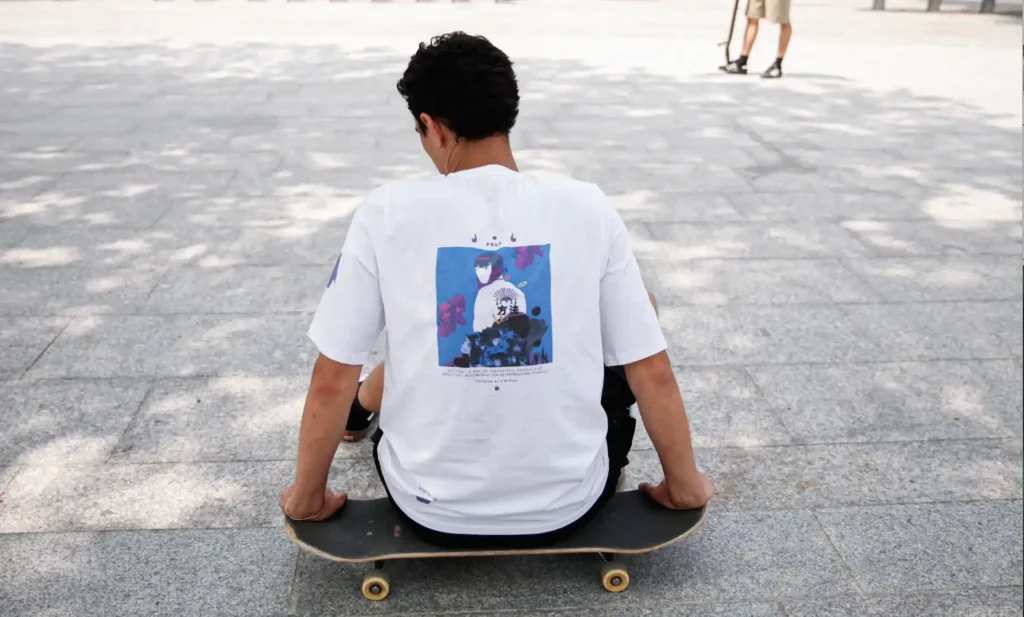
Many successful brands start with small product ranges to reduce risk.
Step 2: Fabric Sourcing
Fabric selection directly impacts product quality.
Common streetwear materials include:
- heavyweight cotton
- fleece fabrics
- French terry
- nylon blends
Streetwear consumers often prefer heavier fabrics, which create a more premium feel.
Streetwear media platforms like Hypebeast frequently highlight heavyweight materials as a key feature in modern streetwear garments.
Step 3: Tech Pack Development
A tech pack is a document that communicates your design to the manufacturer.
Typical tech pack components include:
| Tech Pack Element | Description |
|---|---|
| garment measurements | sizing details |
| fabric specifications | material composition |
| logo placement | print or embroidery location |
| stitching instructions | construction details |
Clear tech packs reduce production errors.
Step 4: Sampling & Prototyping
Before mass production begins, factories create product samples.
Sampling allows brands to evaluate:
- garment fit
- fabric feel
- print quality
- construction details
Sampling is one of the most important stages because it prevents expensive mistakes in bulk production.
Step 5: Bulk Production
Once samples are approved, the factory begins full production.
Bulk manufacturing usually includes:
- fabric cutting
- garment sewing
- logo printing or embroidery
- trimming and finishing
Production timelines typically range from 3–6 weeks depending on order size.
Step 6: Quality Control
Quality control ensures that garments meet brand standards.
Common inspections include:
- stitching consistency
- fabric defects
- sizing accuracy
- print alignment
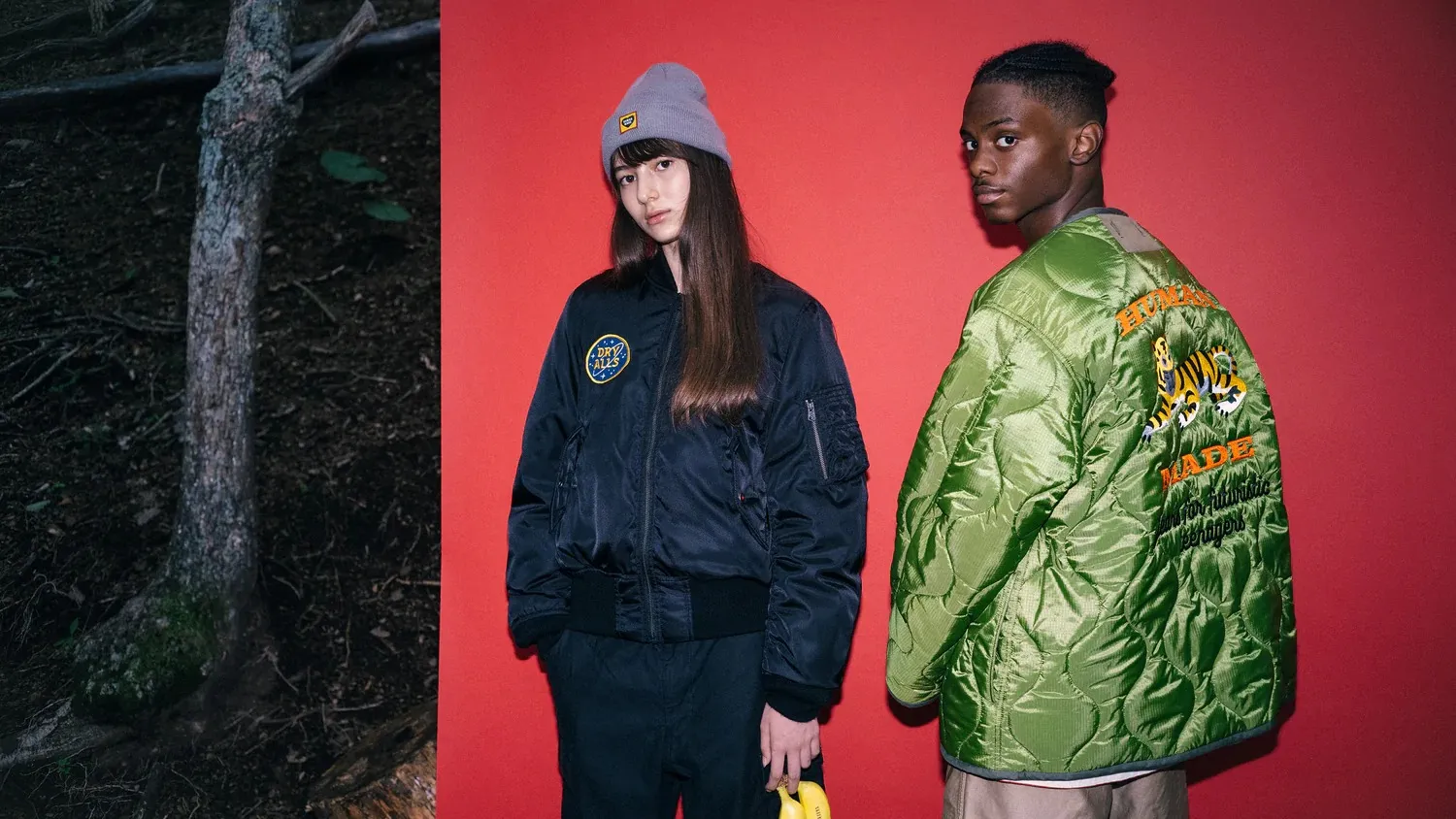
Industry resources like Highsnobiety often highlight how product quality strongly influences customer perception.
Skipping quality checks can lead to serious brand reputation issues.
Step 7: Packaging & Logistics
After production, garments move to packaging and shipping.
Packaging may include:
- branded polybags
- custom hangtags
- product labels
- branded boxes
Proper packaging improves customer experience and strengthens brand identity.
Streetwear Production Timeline Overview
| Stage | Estimated Time |
|---|---|
| design development | 1–2 weeks |
| sampling | 1–3 weeks |
| bulk production | 3–6 weeks |
| shipping | 1–3 weeks |
Planning realistic timelines helps brands avoid launch delays.
Common Production Mistakes Brands Make
Many new brands encounter production issues due to avoidable mistakes.
Rushing the Sampling Stage
Skipping proper sample evaluation can lead to expensive problems later.
Choosing Factories Based Only on Price
Very cheap production may result in poor garment quality.
Producing Too Much Inventory
Large orders increase financial risk for new brands.
Understanding these risks helps brands create more efficient production strategies.
Streetwear Production Checklist
| Task | Completed |
|---|---|
| design finalized | ✓ |
| fabrics selected | ✓ |
| tech pack completed | ✓ |
| samples approved | ✓ |
| production timeline confirmed | ✓ |
| quality inspection planned | ✓ |
This checklist helps brands manage production more effectively.
FAQ
How long does streetwear production take?
Most production cycles take between 4–8 weeks, depending on garment complexity.
What is a tech pack in clothing manufacturing?
A tech pack is a document that communicates garment specifications to the manufacturer.
Why is sampling important?
Sampling helps confirm garment quality before bulk production begins.
Can small brands manage production efficiently?
Yes. Starting with small collections and reliable manufacturers makes the process manageable.
Conclusion
Understanding the streetwear production process helps brands launch products more efficiently.
Successful clothing brands treat production as a structured workflow, including design development, sampling, manufacturing, and quality control.
By managing each stage carefully, brands can produce garments that reflect their design vision and maintain consistent quality.
Internal Reference
If you're planning a streetwear collection and need professional production support, explore:
👉 Fuki Apparel – Streetwear Manufacturing Solutions
Working with experienced manufacturers helps transform streetwear concepts into high-quality apparel products.