
Table of Contents
- Quick Answer
- Why Choosing the Right Manufacturer Matters
- Types of Streetwear Manufacturers
- Key Factors to Evaluate a Streetwear Factory
- Manufacturer Comparison Checklist
- Questions You Should Ask Before Production
- Red Flags When Working With Apparel Manufacturers
- How Small Brands Should Start Production
- Streetwear Manufacturer Selection Checklist
- FAQ
- Conclusion
- Internal Reference
Quick Answer
Choosing the right streetwear manufacturer is one of the most important decisions when launching or scaling a clothing brand.
A good manufacturer should provide:
- consistent garment quality
- reliable production timelines
- flexible minimum order quantities (MOQ)
- strong communication and sampling support
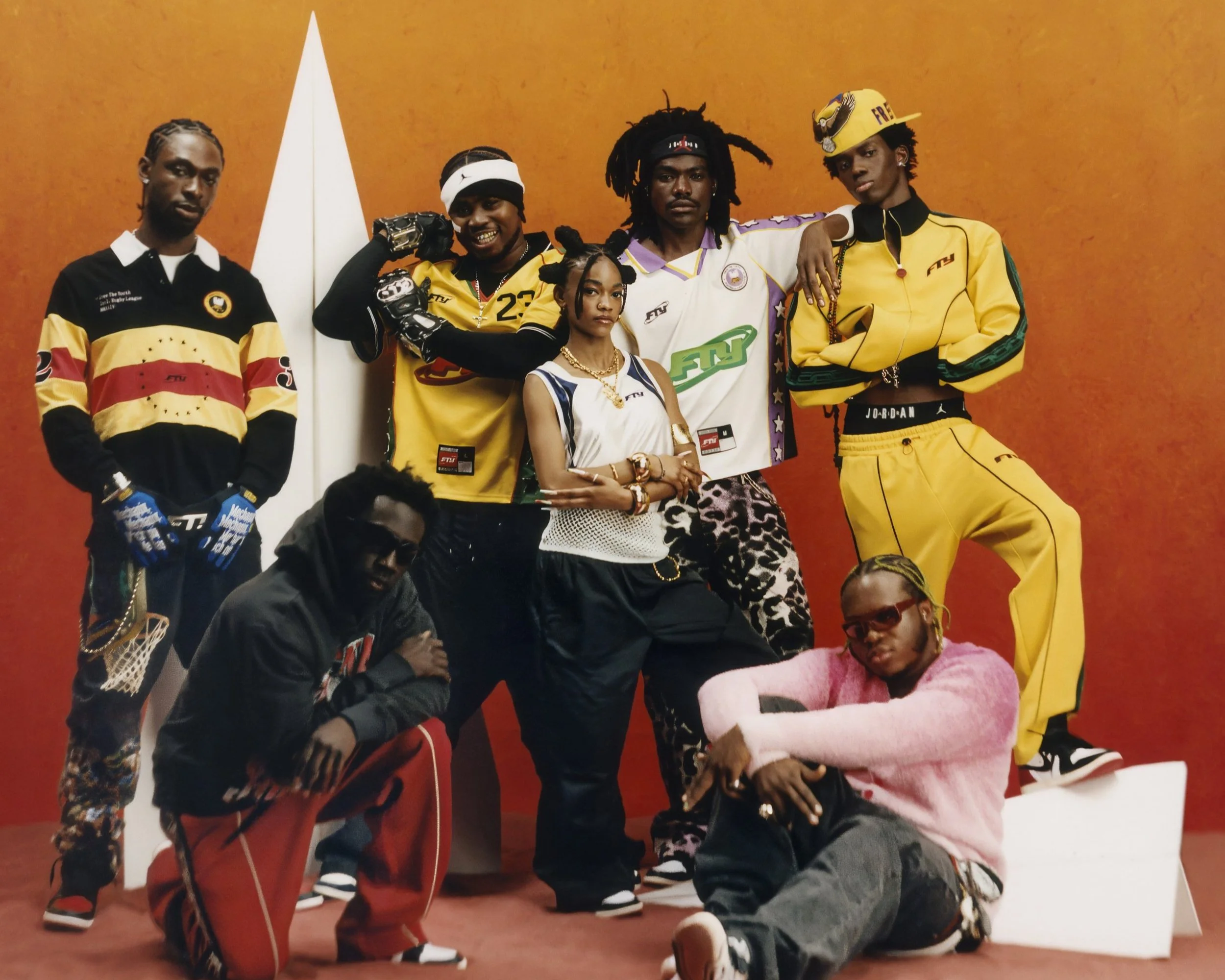
From my experience working around apparel production and observing new clothing brands launch collections, the most successful brands choose factories that prioritize quality, communication, and long-term collaboration, not just the lowest price.
Why Choosing the Right Manufacturer Matters
Many new streetwear brands underestimate how much a manufacturer affects the final product.
The manufacturer influences:
- fabric quality
- garment construction
- fit consistency
- delivery timelines
A poor factory can result in:
- inconsistent sizing
- printing issues
- production delays
Fashion industry publications like
Business of Fashion
often emphasize that strong supplier relationships are critical for fashion startups.
In streetwear, where product quality strongly affects brand perception, manufacturing decisions are even more important.
Types of Streetwear Manufacturers
Not all apparel manufacturers offer the same services.
Streetwear brands typically work with one of the following production models.
1. Private Label Manufacturers
Private label factories offer existing garment templates that brands can customize.
Advantages:
- lower startup costs
- faster production timelines
- easier for beginners
2. Custom Streetwear Manufacturers
Custom factories produce garments based on your original designs.
Advantages:
- unique silhouettes
- custom fabrics
- stronger brand differentiation
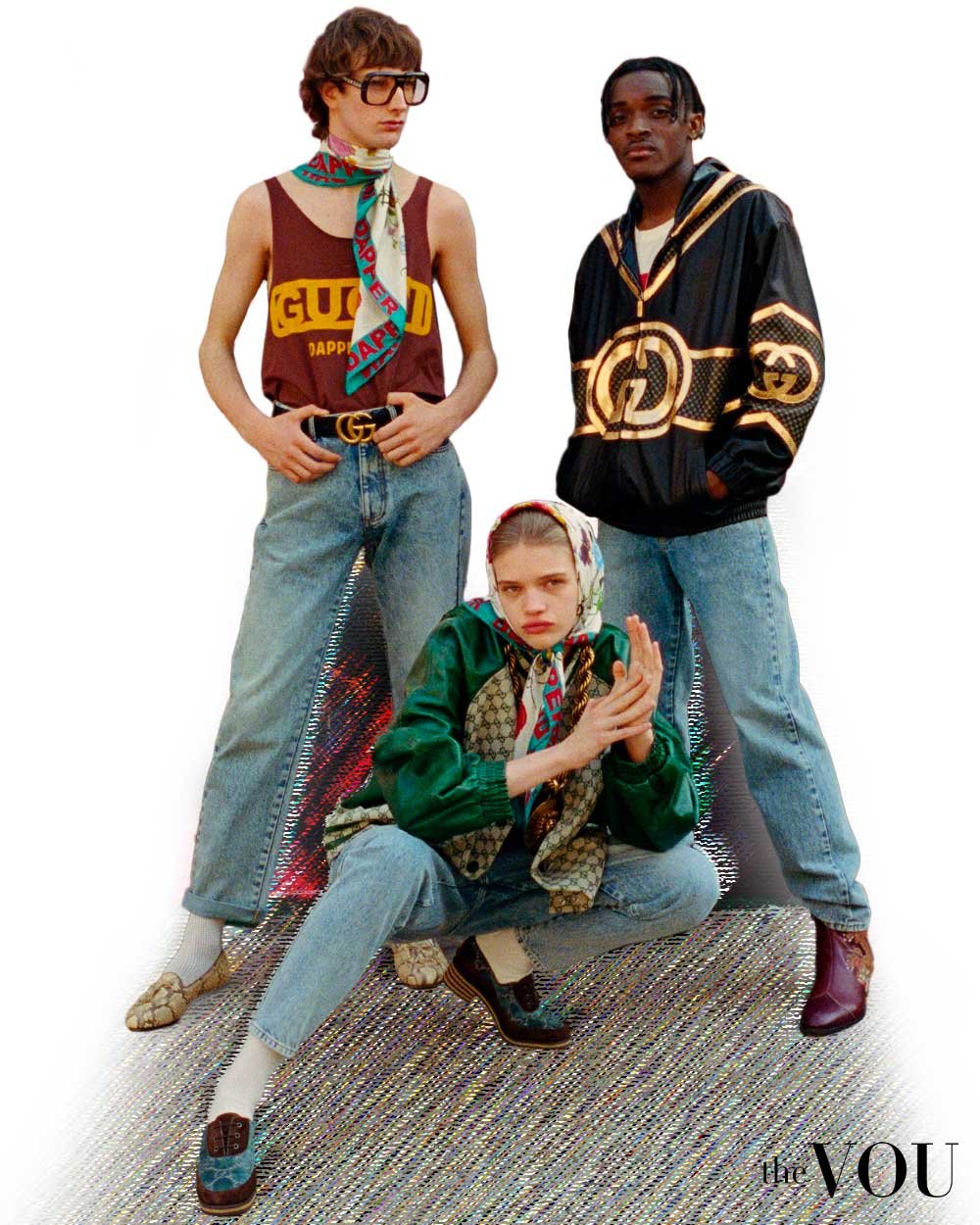
Many established streetwear brands rely on custom production to develop signature styles.
3. Small Batch Manufacturers
These factories specialize in low-quantity production.
They are ideal for:
- startup brands
- testing new collections
- limited streetwear drops
Streetwear platforms such as
Hypebeast
frequently highlight how limited production drops create exclusivity and demand.
Key Factors to Evaluate a Streetwear Factory
When evaluating manufacturers, consider the following factors.
Production Quality
The factory should demonstrate strong experience with:
- heavyweight cotton garments
- hoodie construction
- screen printing or embroidery
Streetwear garments often require thicker fabrics and durable stitching.
Minimum Order Quantity (MOQ)
Some factories require large production runs.
For startup brands, look for factories offering:
- low MOQ options
- flexible sampling processes
Communication and Responsiveness
Clear communication is essential during sampling and production.
Manufacturers should respond quickly and provide updates on:
- sample progress
- production schedules
- shipping timelines
Fabric and Material Options
Streetwear collections often use materials such as:
- heavyweight cotton
- fleece fabrics
- technical blends
Resources like
Highsnobiety
frequently discuss how material selection influences streetwear product quality.
Manufacturer Comparison Checklist
When comparing factories, use a structured evaluation process.
| Factor | Importance |
|---|---|
| Product quality | Critical |
| MOQ flexibility | Important |
| Communication | Essential |
| Production lead time | Important |
| Pricing transparency | Recommended |
Using a comparison table helps simplify decision-making.
Questions You Should Ask Before Production
Before choosing a manufacturer, ask these questions.
What is your minimum order quantity?
MOQ determines how many units must be produced per design.
Do you provide product samples?
Sampling allows brands to evaluate quality before mass production.
What is the typical production timeline?
Manufacturing usually takes between 3–6 weeks, depending on complexity.
What customization options are available?
Customization may include:
- custom labels
- embroidery
- special fabrics
- packaging
Red Flags When Working With Apparel Manufacturers
Some warning signs suggest a manufacturer may not be reliable.
Extremely Low Prices
Very cheap production may result in poor garment quality.
Poor Communication
Slow responses during sampling often lead to bigger problems during production.
No Sample Process
Professional manufacturers always provide samples before bulk orders.
How Small Brands Should Start Production
For startup streetwear brands, the safest approach is to start with small product collections.
Typical beginner product lineup:
- 1 hoodie design
- 1 graphic T-shirt
- 1 sweatshirt
Producing fewer items helps reduce financial risk while testing market demand.
Streetwear Manufacturer Selection Checklist
Before committing to a factory, confirm the following.
| Requirement | Verified |
|---|---|
| Samples approved | ✓ |
| MOQ fits your budget | ✓ |
| Communication is reliable | ✓ |
| Production timeline confirmed | ✓ |
| Quality meets brand standards | ✓ |
This checklist helps ensure a smoother production process.
FAQ
What is the typical MOQ for streetwear manufacturers?
Many factories require between 50–200 pieces per design, though some offer lower quantities for startups.
Should new brands choose private label or custom manufacturing?
Private label is easier for beginners, while custom manufacturing allows more design freedom.
How long does clothing production take?
Most streetwear production cycles take 3–8 weeks, depending on complexity and order size.
Can small brands work with overseas factories?
Yes. Many global streetwear brands manufacture internationally to access specialized production capabilities.
Conclusion
Choosing the right streetwear manufacturer requires careful research and evaluation.
The best production partners provide:
- consistent garment quality
- transparent communication
- flexible production options
By selecting the right factory early, streetwear brands can build stronger products and develop long-term manufacturing relationships.
Internal Reference
If you're looking for reliable streetwear production support, explore:
👉 Fuki Apparel – Custom Streetwear Manufacturing
Working with experienced manufacturers can help turn streetwear concepts into high-quality apparel collections.