
Table of Contents
- Quick Answer
- What Streetwear Originally Was
- The Cultural Foundations That Built Streetwear
- How Streetwear Expanded Beyond Local Communities
- The Business Model Behind Streetwear Success
- Streetwear vs Traditional Fashion Industry
- Key Factors Behind the Billion-Dollar Growth
- How Social Media Accelerated Streetwear Growth
- What Modern Brands Can Learn From Streetwear’s Growth
- Streetwear Industry Growth Timeline
- FAQ
- Conclusion
- Internal Reference
Quick Answer
Streetwear became a billion-dollar global industry because it combined youth culture, limited product releases, community-driven marketing, and digital platforms.
Unlike traditional fashion, streetwear brands built success through:
- cultural authenticity
- limited product drops
- strong brand identity
- online communities
From my experience observing the streetwear market, the biggest reason streetwear grew so quickly is that it turned clothing into a cultural movement rather than just a fashion category.
What Streetwear Originally Was
Streetwear began as a niche clothing style influenced by urban youth culture.
Early streetwear communities included:
- skateboarders
- hip-hop artists
- graffiti artists
- creative youth communities
These groups created clothing styles that reflected their identity and lifestyle.
Typical early streetwear items included:
- graphic T-shirts
- hoodies
- caps
- baggy denim
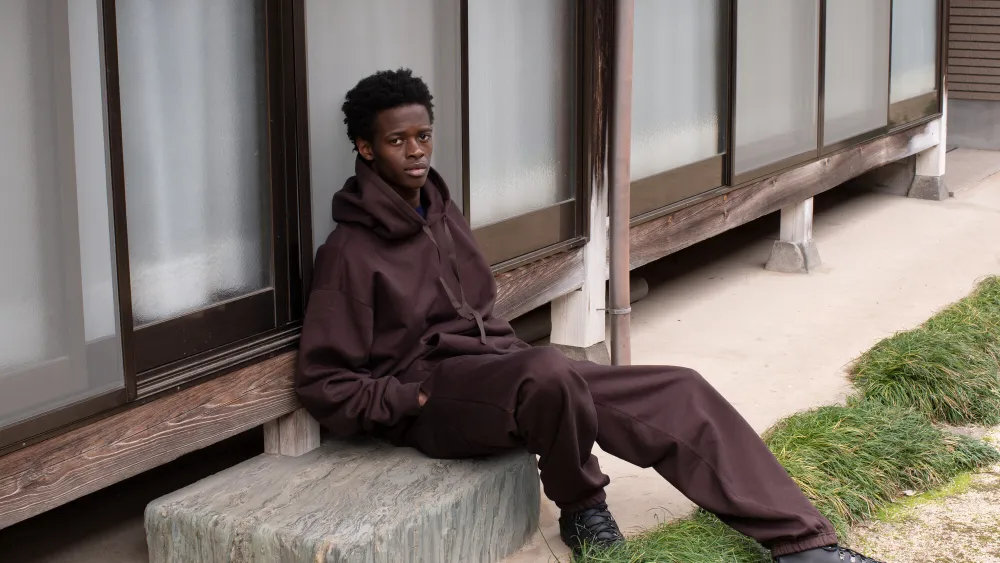
What made streetwear unique was that it was community-driven rather than designer-driven.
Streetwear media outlets such as Hypebeast – Streetwear Culture frequently highlight how these communities helped shape early streetwear brands.
The Cultural Foundations That Built Streetwear
Streetwear’s growth was closely tied to several cultural movements.
Hip-Hop Music
Hip-hop artists introduced bold fashion styles that influenced global audiences.
Clothing became a symbol of identity and creativity.
Skateboarding Culture
Skateboarding communities promoted relaxed clothing designed for movement and durability.
This influenced many streetwear silhouettes.
Urban Art and Graffiti
Street artists introduced graphic design styles that became common in streetwear clothing.
These cultural foundations helped streetwear develop a strong visual identity.
How Streetwear Expanded Beyond Local Communities
In its early years, streetwear brands operated mostly within local communities.
However, several factors helped the style spread globally.
The Internet
Online communities allowed streetwear culture to spread across countries.
Global Youth Culture
Young consumers worldwide adopted streetwear because it represented creativity and independence.
International Fashion Influence
Streetwear began appearing in global fashion discussions.
Fashion analysis from Business of Fashion – Streetwear Market often highlights how the internet helped transform streetwear into an international fashion movement.
The Business Model Behind Streetwear Success
Streetwear brands use unique business strategies that differ from traditional fashion companies.
Limited Product Drops
Brands release products in small quantities to create demand.
Direct-to-Consumer Sales
Many streetwear brands sell directly through their websites.
Community Marketing
Brands build strong relationships with their audiences.
These strategies helped streetwear brands grow without relying heavily on traditional retail.
Streetwear vs Traditional Fashion Industry
| Feature | Streetwear Industry | Traditional Fashion |
|---|---|---|
| Release strategy | Limited drops | Seasonal collections |
| Marketing | Community-driven | Advertising-driven |
| Brand identity | Culture-focused | Designer-focused |
| Product scarcity | Intentional | Rare |
Streetwear challenged traditional fashion by changing how products are released and marketed.
Key Factors Behind the Billion-Dollar Growth
Several factors contributed to streetwear becoming a major global industry.
Cultural Authenticity
Streetwear remained closely connected to youth culture.
Digital Communities
Online platforms allowed brands to connect with global audiences.
Limited Supply Strategy
Scarcity increased product demand.
Collaboration Culture
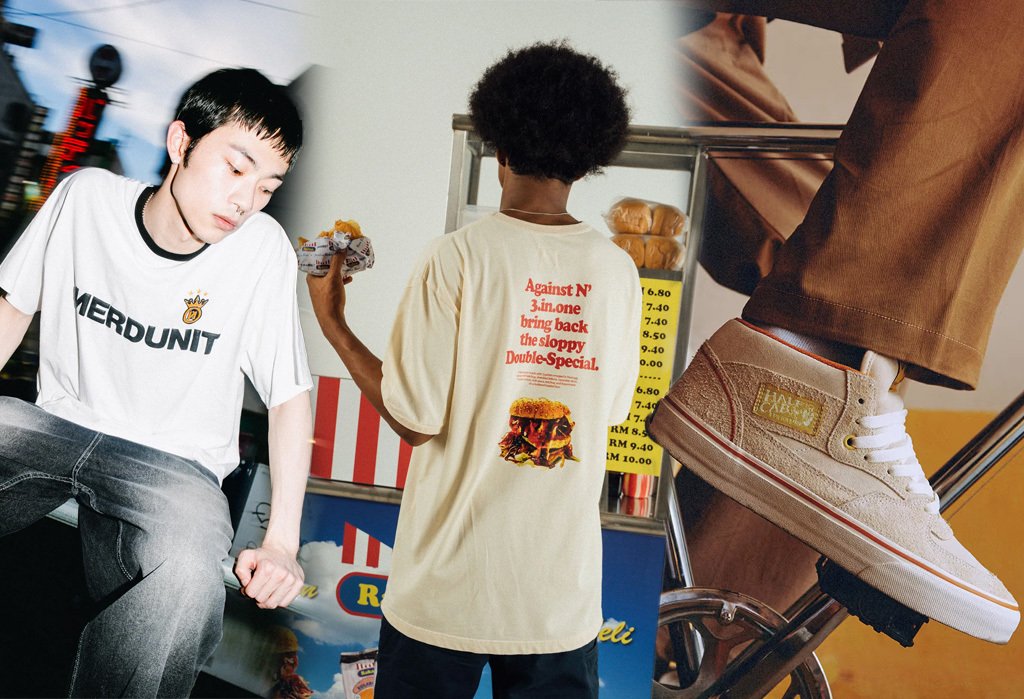
Brands frequently collaborate with artists, musicians, and designers.
These factors helped streetwear evolve into a major market segment.
How Social Media Accelerated Streetwear Growth
Social media platforms played a major role in streetwear’s expansion.
Consumers discover new brands through:
- TikTok
- YouTube
These platforms allow brands to build communities quickly.
Streetwear publications like Highsnobiety – Streetwear Industry often discuss how social media helped emerging brands reach global audiences.
What Modern Brands Can Learn From Streetwear’s Growth
New streetwear brands can learn several important lessons.
Build Cultural Identity
Brands that connect with communities often grow faster.
Focus on Authentic Storytelling
Consumers respond to brands with meaningful stories.
Use Limited Releases Strategically
Drops create excitement and demand.
These lessons remain essential for modern streetwear businesses.
Streetwear Industry Growth Timeline
| Era | Industry Development |
|---|---|
| 1980s | Skate culture influence |
| 1990s | Hip-hop fashion growth |
| 2000s | Global streetwear brands emerge |
| 2010s | Luxury fashion collaborations |
| 2020s | Digital communities dominate |
This timeline shows how streetwear evolved into a global industry.
FAQ
Why is streetwear such a large industry today?
Streetwear combines fashion with culture, community, and digital marketing.
When did streetwear become globally popular?
Streetwear gained global popularity during the 2000s and expanded rapidly in the 2010s.
Is streetwear still growing?
Yes. Streetwear continues influencing both casual fashion and luxury fashion.
Can new brands still succeed in streetwear?
Yes. Brands that build authentic identity and strong communities can still succeed.
Conclusion
Streetwear’s journey from underground culture to a billion-dollar global industry shows how powerful cultural movements can shape fashion.
The industry grew through:
- community-driven culture
- digital connectivity
- unique business models
Today, streetwear continues influencing both mainstream fashion and luxury design.
Internal Reference
If you're building a streetwear brand and need reliable production support, explore:
👉 Fuki Apparel – Streetwear Manufacturing Solutions
Experienced manufacturing partners can help turn streetwear concepts into high-quality apparel collections.
