
Table of Contents
- Quick Answer
- Why Streetwear Is More Than Just Fashion
- Hip-Hop Culture and Streetwear Identity
- Skateboarding Culture and Streetwear Style
- Urban Communities and the Rise of Street Fashion
- How These Cultures Shaped Modern Streetwear
- Streetwear Culture vs Traditional Fashion
- Key Cultural Elements in Streetwear Design
- Lessons Modern Streetwear Brands Can Learn
- Streetwear Culture Timeline
- FAQ
- Conclusion
- Internal Reference
Quick Answer
Streetwear was shaped by three major cultural forces: hip-hop music, skateboarding communities, and urban youth culture.
These movements influenced how people dressed, expressed identity, and connected with communities.
Streetwear became popular because it represented:
- authenticity
- cultural identity
- creative expression
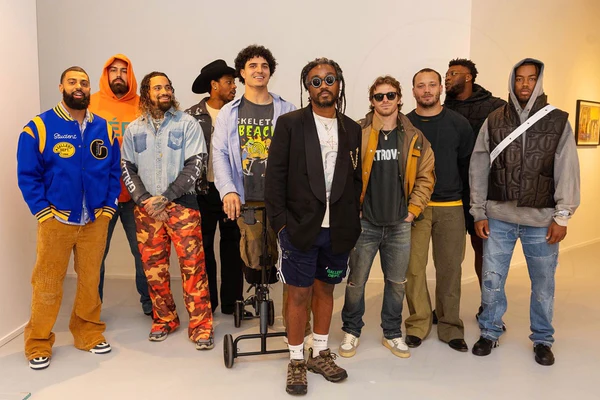
From my experience observing how streetwear brands evolve, the most successful labels still draw inspiration from music, street communities, and youth culture rather than traditional fashion trends.
Why Streetwear Is More Than Just Fashion
Streetwear is not simply a clothing style — it is a cultural movement.
Unlike traditional fashion, streetwear developed from the streets upward, not from luxury fashion houses.
It represents:
- music culture
- art and graffiti
- urban communities
- youth identity
Because of these cultural roots, streetwear brands often feel more authentic to consumers.
Streetwear media platforms such as
Hypebeast – Streetwear Culture
frequently highlight how cultural influence continues shaping modern streetwear trends.
Hip-Hop Culture and Streetwear Identity
Hip-hop culture played a major role in shaping streetwear during the 1990s.
Artists used fashion as a way to express confidence, individuality, and success.
Popular clothing styles included:
- oversized hoodies
- baggy jeans
- graphic T-shirts
- statement sneakers
Hip-hop fashion emphasized bold style and strong personal identity.
Many streetwear aesthetics still reflect this influence today.
Fashion industry analysis from
Business of Fashion – Streetwear Industry
often identifies hip-hop as one of the strongest cultural drivers behind streetwear's global growth.
Skateboarding Culture and Streetwear Style
Skateboarding culture also played a critical role in shaping streetwear.
Skaters needed clothing that allowed movement and durability.
Typical skatewear included:
- loose T-shirts
- relaxed pants
- durable sneakers
- hoodies
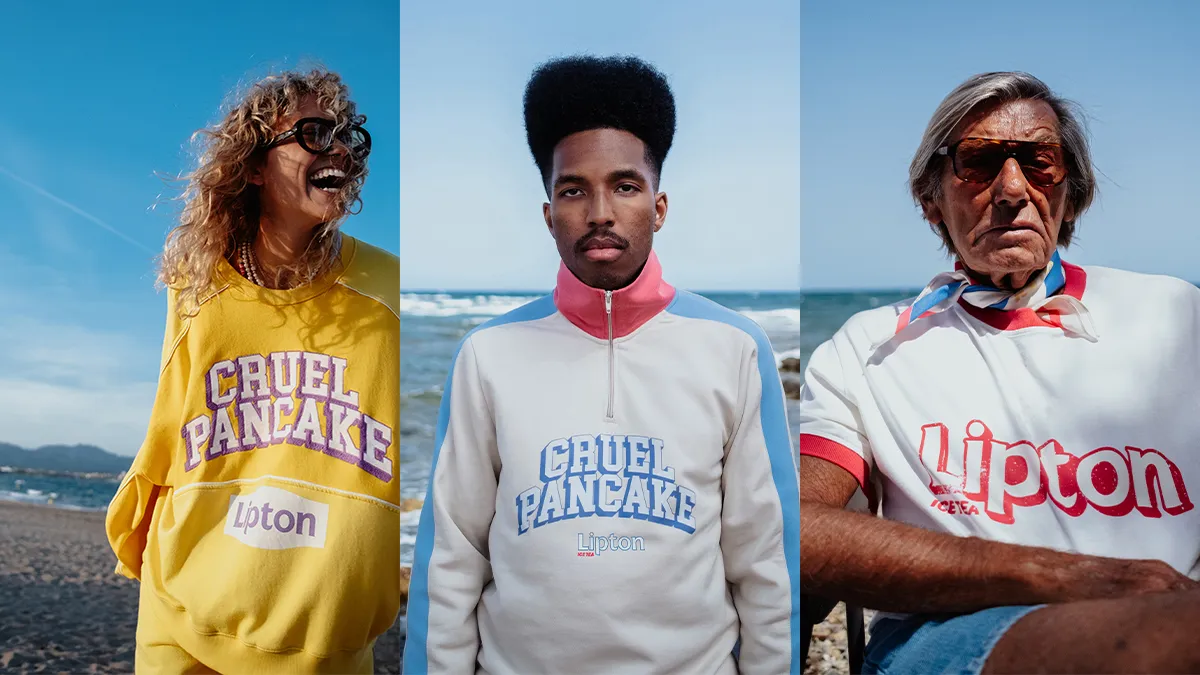
These functional clothing choices eventually became part of everyday street fashion.
Skate culture also influenced streetwear through:
- graphic art
- DIY design aesthetics
- independent brand culture
Small skate brands were among the earliest streetwear labels.
Urban Communities and the Rise of Street Fashion
Urban environments helped streetwear grow into a global fashion movement.
Cities became cultural centers where music, art, and fashion intersected.
Streetwear often reflects:
- city life
- underground art scenes
- youth rebellion against traditional fashion
Urban communities created trends that spread globally through music, media, and the internet.
Streetwear brands grew by representing these communities authentically.
How These Cultures Shaped Modern Streetwear
Modern streetwear blends elements from multiple cultural influences.
| Culture | Key Fashion Influence |
|---|---|
| Hip-Hop | Oversized silhouettes and bold graphics |
| Skateboarding | Relaxed fits and durable clothing |
| Urban culture | Creative expression and individuality |
These influences continue shaping modern streetwear collections.
Streetwear’s diversity comes from combining multiple cultural perspectives.
Streetwear Culture vs Traditional Fashion
| Feature | Streetwear | Traditional Fashion |
|---|---|---|
| Inspiration | Youth culture | Designers and fashion houses |
| Product releases | Limited drops | Seasonal collections |
| Marketing | Community-driven | Advertising-driven |
| Style evolution | Cultural movements | Fashion cycles |
Streetwear challenged traditional fashion by prioritizing community and authenticity.
Key Cultural Elements in Streetwear Design
Streetwear designs often include visual references to the cultures that inspired them.
Common design elements include:
- graffiti-style graphics
- oversized silhouettes
- bold typography
- music and street culture references
These elements help maintain streetwear’s cultural identity.
Streetwear publications like
Highsnobiety – Streetwear Culture Guide
often analyze how designers reinterpret cultural influences in modern collections.
Lessons Modern Streetwear Brands Can Learn
Understanding streetwear’s cultural roots can help new brands develop stronger identity.
Build Authentic Brand Culture
Successful brands represent communities rather than simply selling products.
Connect With Creative Communities
Artists, musicians, and creators help expand cultural influence.
Focus on Storytelling
Streetwear consumers often connect with brands through stories and values.
These principles remain important for emerging brands today.
Streetwear Culture Timeline
| Era | Cultural Influence |
|---|---|
| 1980s | Skateboarding culture |
| 1990s | Hip-hop fashion |
| 2000s | Global streetwear brands |
| 2010s | Luxury fashion collaborations |
| 2020s | Digital communities and social media |
This timeline shows how cultural movements shaped streetwear evolution.
FAQ
Where did streetwear culture originate?
Streetwear originated from skateboarding, hip-hop, and urban youth culture in the United States.
Why is culture important to streetwear?
Streetwear reflects community identity and creative expression.
Is streetwear still connected to music and art?
Yes. Music and art continue influencing streetwear design and branding.
Can new brands succeed without cultural identity?
It is difficult. Authentic cultural inspiration helps brands build stronger connections with consumers.
Conclusion
Streetwear developed from a powerful combination of hip-hop culture, skateboarding communities, and urban creativity.
These cultural roots helped transform streetwear from underground style into a global fashion movement.
For modern brands, understanding these origins helps create clothing that remains authentic and culturally relevant.
Internal Reference
If you're building a streetwear brand inspired by authentic culture and need reliable production support, explore:
👉 Fuki Apparel – Streetwear Manufacturing Solutions
Professional manufacturing partners can help transform streetwear concepts into high-quality apparel collections.
