
Table of Contents
- Quick Answer
- Why Small Brands Still Have Opportunities
- The Biggest Challenges Small Streetwear Brands Face
- 5 Strategies Small Brands Use to Compete
- Small Brand vs Big Brand Advantages
- How to Build a Strong Streetwear Identity
- Marketing Strategies That Work for Small Brands
- How to Build a Loyal Streetwear Community
- Mistakes Small Brands Should Avoid
- FAQ
- Conclusion
- Internal Reference
Quick Answer
Small streetwear brands can compete successfully by focusing on authentic identity, niche communities, and creative storytelling rather than trying to imitate large fashion companies.
Instead of competing on scale, successful small brands focus on:
- strong brand culture
- unique design direction
- limited product releases
- close community engagement
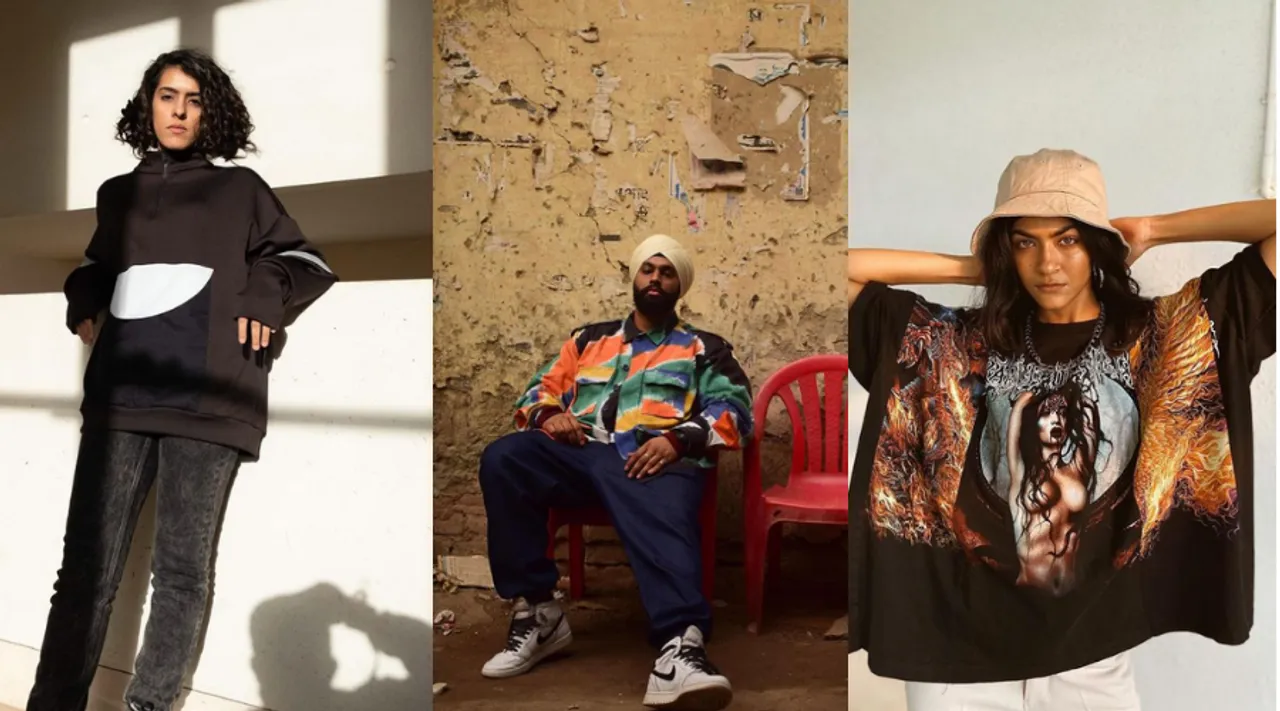
From my experience observing emerging streetwear labels, the brands that grow fastest are not necessarily the largest—they are the ones that build the strongest cultural connection with their audience.
Why Small Brands Still Have Opportunities
At first glance, the streetwear market may appear dominated by major brands.
However, streetwear culture actually favors independent creativity and authenticity.
Unlike traditional fashion industries, streetwear often grows through grassroots communities.
Fashion commentary from Hypebeast – Streetwear Industry Insights regularly highlights how new independent brands gain traction through unique aesthetics and community engagement.
Small brands often succeed because they can move faster and experiment more freely.
The Biggest Challenges Small Streetwear Brands Face
Despite the opportunities, small brands still face several obstacles.
Limited Production Budgets
Manufacturing costs can be high when producing smaller quantities.
Lower Brand Recognition
New brands must build trust and visibility.
Marketing Competition
Large brands often have larger advertising budgets.
Understanding these challenges helps founders develop realistic strategies.
5 Strategies Small Brands Use to Compete
Small streetwear brands often win by focusing on culture rather than scale.
1. Build a Unique Brand Identity
Your brand should represent something meaningful.
Many successful brands connect with:
- art scenes
- music culture
- skate communities
- local subcultures
A clear identity helps people remember your brand.
2. Focus on Limited Drops
Limited product releases create:
- exclusivity
- urgency
- stronger demand
Scarcity is a key element of streetwear culture.
3. Collaborate With Creators
Artists, musicians, and designers can introduce your brand to new audiences.
Creative collaborations also strengthen brand authenticity.
4. Tell a Strong Brand Story
Streetwear consumers often buy into narratives, not just clothing.
Your story could focus on:
- cultural inspiration
- creative philosophy
- local community roots
5. Build Community Instead of Advertising
Small brands often grow through loyal supporters.
Focus on:
- social media interaction
- community events
- user-generated content
Community-driven growth can be more powerful than traditional advertising.
Small Brand vs Big Brand Advantages
| Factor | Small Streetwear Brand | Large Fashion Brand |
|---|---|---|
| Flexibility | Very high | Limited |
| Production Scale | Small batches | Mass production |
| Community Engagement | Stronger | Less personal |
| Design Experimentation | Faster | Slower |
| Brand Perception | Authentic | Corporate |
These advantages allow small brands to create meaningful connections with their audience.
How to Build a Strong Streetwear Identity
Your brand identity should reflect a clear vision.
Consider these elements:
- Visual Style: Consistent graphic design and color palettes.
- Cultural Influence: Streetwear brands often draw inspiration from music, art, or local communities.
- Product Focus: Start with a small number of signature items.
Consistency helps build brand recognition over time.
Marketing Strategies That Work for Small Brands
Small streetwear brands often succeed through digital marketing.
Social Media Content
Platforms like Instagram and TikTok are powerful for showcasing designs.
Influencer Collaborations
Working with micro-influencers can help brands reach niche audiences.
Community Storytelling
Share the story behind your brand and designs.
Fashion industry coverage from Highsnobiety – Streetwear Culture Guide shows that storytelling often drives stronger brand loyalty than traditional advertising.
How to Build a Loyal Streetwear Community
Streetwear brands thrive when customers feel connected to the brand culture.
Ways to build community include:
- interacting with followers online
- hosting pop-up events
- collaborating with local artists
Communities help brands grow organically.
Mistakes Small Brands Should Avoid
Many new brands struggle because they make common mistakes.
Copying Other Brands
Imitating existing brands weakens originality.
Ignoring Product Quality
Low-quality garments damage brand reputation immediately.
Launching Too Many Products
Focused collections often perform better.
Avoiding these mistakes increases long-term success.
FAQ
Can small streetwear brands compete with big brands?
Yes. Streetwear culture often favors independent brands with authentic identity.
What is the best strategy for a new brand?
Focus on strong branding, community building, and limited product releases.
Do small brands need large marketing budgets?
Not necessarily. Many brands grow through organic social media engagement.
Is streetwear still growing as a market?
Yes. Streetwear continues influencing global fashion trends.
Conclusion
Small brands can succeed in the streetwear market by focusing on what large brands often struggle with:
- authenticity
- cultural storytelling
- strong community connections
Instead of competing on scale, successful brands compete on creativity and identity.
This approach allows independent labels to build loyal audiences and grow within the evolving streetwear landscape.
Internal Reference
If you're building a streetwear brand and need reliable manufacturing support, explore:
👉 Fuki Apparel – Streetwear Manufacturing Solutions
Professional production partners can help transform streetwear ideas into high-quality apparel collections.