
Table of Contents
- Quick Answer
- Why These Moments Matter in Streetwear History
- 1. Supreme’s Global Rise in the Early 2000s
- 2. The Nike SB Dunk Explosion
- 3. Kanye West’s Influence on Streetwear Fashion
- 4. The Rise of Luxury Streetwear Collaborations
- 5. The Supreme x Louis Vuitton Collaboration
- 6. Virgil Abloh and the Rise of Off-White
- 7. The Global Impact of Streetwear Media
- 8. The Resale Market Boom
- 9. The Digital Era of Streetwear Culture
- 10. The Mainstream Acceptance of Streetwear
- Key Patterns Behind These Moments
- Streetwear Evolution Timeline Table
- FAQ
- Conclusion
- Internal Reference
Quick Answer
Streetwear didn’t become a global fashion movement overnight.
It evolved through a series of key cultural moments that reshaped fashion, music, and youth culture.
The 10 moments in this article represent turning points that helped transform streetwear from niche subculture into one of the most powerful forces in modern fashion.
From my experience working with streetwear brands and observing industry trends, understanding these historical moments helps explain why streetwear still dominates global fashion today.
Why These Moments Matter in Streetwear History
Streetwear is unique because it grows from culture rather than traditional fashion cycles.
Instead of being controlled by fashion houses alone, streetwear evolves through:
- music
- art
- skate culture
- youth communities
- internet culture
Fashion industry analysis from
Business of Fashion – Streetwear Market Insights
shows that streetwear continues influencing luxury fashion, retail strategies, and global youth culture.
The following milestones shaped how the industry looks today.
1. Supreme’s Global Rise in the Early 2000s
Few brands define streetwear culture like Supreme.
Founded in New York skate culture, Supreme became famous for:
- limited product drops
- strong brand identity
- community-driven hype
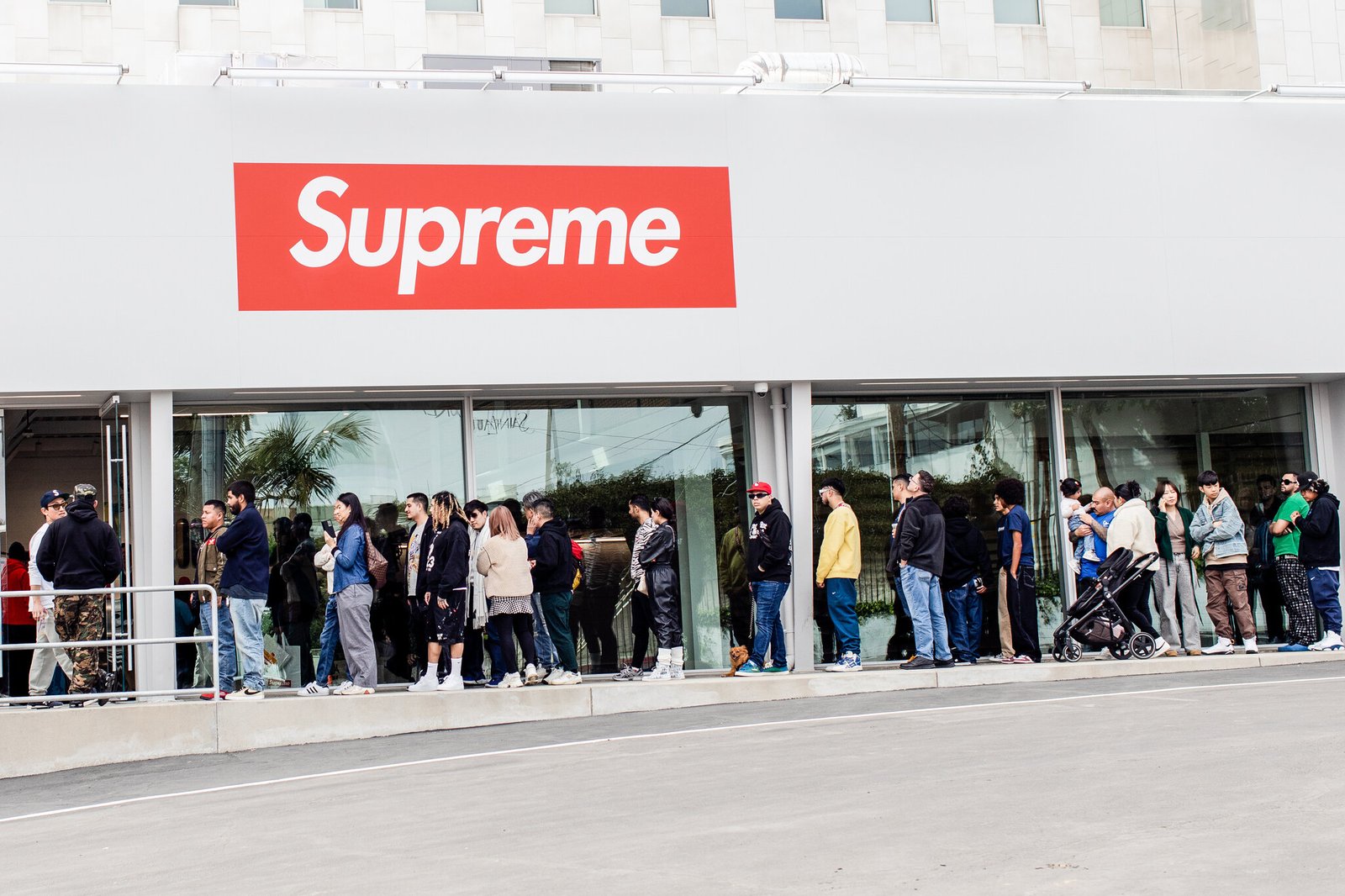
Its drop model later influenced many streetwear brands.
Supreme proved that scarcity and culture could build global demand.
2. The Nike SB Dunk Explosion
The early 2000s saw the rise of sneaker culture, particularly through the Nike SB Dunk.
Sneaker collectors began lining up for limited releases, turning sneakers into cultural artifacts.
Media coverage from
Hypebeast – Sneaker Culture
documented how sneaker collaborations helped push streetwear into the mainstream.
The sneaker market became one of the foundations of streetwear.
3. Kanye West’s Influence on Streetwear Fashion
Few individuals shaped modern streetwear like Kanye West.
Through collaborations and personal style, he introduced:
- minimalist aesthetics
- oversized silhouettes
- neutral color palettes
These elements later became standard across the fashion industry.
His influence blurred the line between music culture and fashion design.
4. The Rise of Luxury Streetwear Collaborations
One of the biggest shifts in fashion occurred when luxury brands began collaborating with streetwear labels.
This moment showed that streetwear had become more than a subculture.
Luxury houses realized that youth culture was shaping the future of fashion.
Collaborations created a bridge between high fashion and street culture.
5. The Supreme x Louis Vuitton Collaboration
When Supreme collaborated with Louis Vuitton in 2017, it became a defining moment in fashion history.
This partnership demonstrated that:
- streetwear had entered luxury fashion
- youth culture influenced high-end brands
- collaborations could generate massive demand
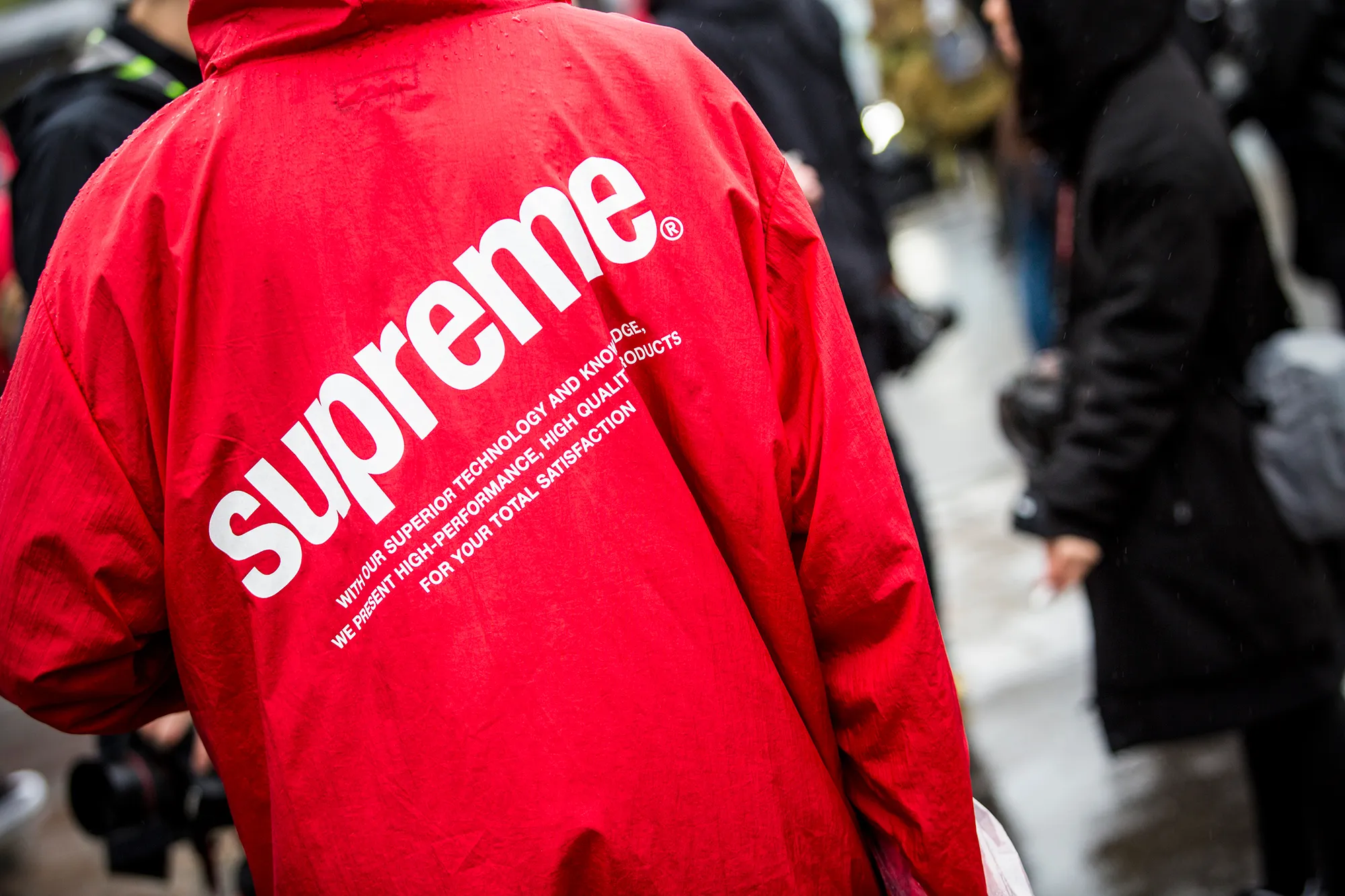
Many fashion analysts consider this collaboration one of the most important in modern fashion history.
6. Virgil Abloh and the Rise of Off-White
Virgil Abloh helped redefine streetwear design philosophy.
Through his brand Off-White, he introduced:
- conceptual graphic design
- quotation mark typography
- industrial-inspired aesthetics
Later, Abloh became the artistic director of Louis Vuitton’s menswear division.
His work proved that streetwear designers could lead global fashion houses.
7. The Global Impact of Streetwear Media
Streetwear media platforms played a major role in shaping culture.
Websites like:
helped document trends, highlight emerging brands, and connect global communities.
These platforms transformed streetwear from local scenes into a worldwide movement.
8. The Resale Market Boom
Resale platforms turned streetwear into an investment market.
Limited sneakers and clothing pieces began selling for far above retail prices.
This created a new economy around:
- collectible sneakers
- rare streetwear drops
- resale marketplaces
The resale market changed how consumers view streetwear products.
9. The Digital Era of Streetwear Culture
Social media transformed how streetwear spreads.
Platforms like Instagram and TikTok allow trends to travel globally within hours.
Digital culture also enabled:
- influencer-driven fashion trends
- global brand discovery
- community-based marketing
Streetwear is now as much about online culture as physical clothing.
10. The Mainstream Acceptance of Streetwear
Today, streetwear influences nearly every fashion category.
Luxury brands, sportswear companies, and independent designers all draw inspiration from street culture.
Streetwear has moved from underground subculture to global fashion standard.
Key Patterns Behind These Moments
Looking at these milestones reveals several consistent themes.
Cultural Influence
Music, art, and youth culture continuously shape streetwear.
Limited Supply
Scarcity and exclusivity drive demand.
Community Engagement
Streetwear thrives through strong communities rather than traditional advertising.
Understanding these patterns helps brands build stronger strategies.
Streetwear Evolution Timeline Table
| Era | Key Development | Cultural Impact |
|---|---|---|
| Early 2000s | Supreme growth | Global streetwear community |
| Mid 2000s | Sneaker culture boom | Collectible fashion |
| 2010s | Luxury collaborations | Streetwear enters high fashion |
| Late 2010s | Virgil Abloh influence | New design philosophy |
| 2020s | Digital culture expansion | Global trend acceleration |
Streetwear history continues evolving with new cultural movements.
FAQ
Why is streetwear so influential today?
Streetwear connects fashion with music, art, and youth identity.
What made streetwear mainstream?
Luxury collaborations and digital culture helped expand its influence globally.
Are sneaker releases still important?
Yes. Sneakers remain one of the strongest drivers of streetwear culture.
Can new brands still enter the streetwear market?
Yes. Authentic storytelling and strong community building remain powerful growth strategies.
Conclusion
Streetwear’s rise in the 21st century came from a series of defining cultural moments.
From Supreme’s early influence to luxury collaborations and digital culture, each milestone helped transform streetwear into a global fashion force.
Understanding these moments reveals how streetwear continues evolving.
It also shows why culture, community, and creativity remain at the heart of streetwear fashion.
Internal Reference
If you're developing modern streetwear collections inspired by cultural trends and need professional production support, explore:
👉 Fuki Apparel – Streetwear Manufacturing Solutions
Experienced manufacturing partners can help transform streetwear concepts into scalable clothing collections.
