
Table of Contents
- Quick Answer
- What Is Streetwear?
- What Is Athleisure?
- Streetwear vs Athleisure: Key Differences
- Style, Function, and Cultural Influence
- When to Choose Streetwear
- When to Choose Athleisure
- Side-by-Side Comparison Table
- How Fashion Brands Combine Both Styles
- Common Misunderstandings
- FAQ
- Conclusion
- Internal Reference
Quick Answer
Streetwear and athleisure are often confused, but they serve different purposes.
- Streetwear focuses on cultural expression, style identity, and fashion influence.
- Athleisure focuses on comfort, performance, and active lifestyles.
From my experience working with apparel brands and manufacturers, the biggest difference is simple:
Streetwear is culture-driven fashion, while athleisure is function-driven fashion.
Both styles dominate modern wardrobes, but they evolved from very different origins.
What Is Streetwear?
Streetwear originated from youth subcultures such as skateboarding, hip-hop, and urban fashion communities.
Over time it became one of the most influential global fashion movements.
Typical streetwear characteristics include:
Core Streetwear Elements
- oversized silhouettes
- graphic designs
- hoodies and street jackets
- bold branding
- cultural storytelling
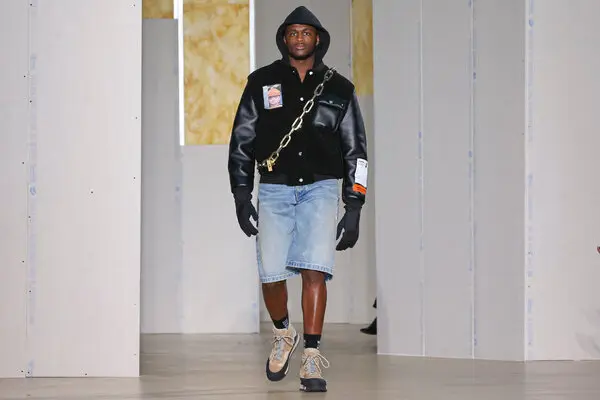
Fashion culture platforms like
Highsnobiety – Streetwear Culture Guide
often describe streetwear as a blend of fashion, music, and youth identity.
Streetwear is not just clothing—it represents lifestyle and community.
What Is Athleisure?
Athleisure combines athletic clothing and casual everyday wear.
The term became popular when sportswear brands began designing clothing that could be worn both in the gym and in daily life.
Common athleisure items include:
Typical Athleisure Pieces
- leggings
- performance joggers
- moisture-wicking shirts
- sports bras
- lightweight training jackets
Athleisure focuses heavily on performance fabrics and comfort.
Industry reports from
Statista – Global Sportswear Market
show that the athleisure market continues expanding as consumers prioritize comfortable clothing.
Streetwear vs Athleisure: Key Differences
Although both styles look casual, their design philosophy differs significantly.
| Category | Streetwear | Athleisure |
|---|---|---|
| Purpose | Fashion expression | Athletic performance |
| Cultural Roots | Skate, hip-hop culture | Sports and fitness |
| Fabric Type | Cotton, fleece | Technical performance fabrics |
| Fit Style | Oversized or relaxed | Athletic or fitted |
| Styling | Fashion-forward | Sport-inspired |
Understanding these differences helps consumers choose clothing that fits their lifestyle.
Style, Function, and Cultural Influence
Streetwear and athleisure influence each other, but their priorities remain different.
Streetwear Priorities
- identity and creativity
- cultural storytelling
- unique designs
Athleisure Priorities
- flexibility and movement
- breathable fabrics
- workout performance
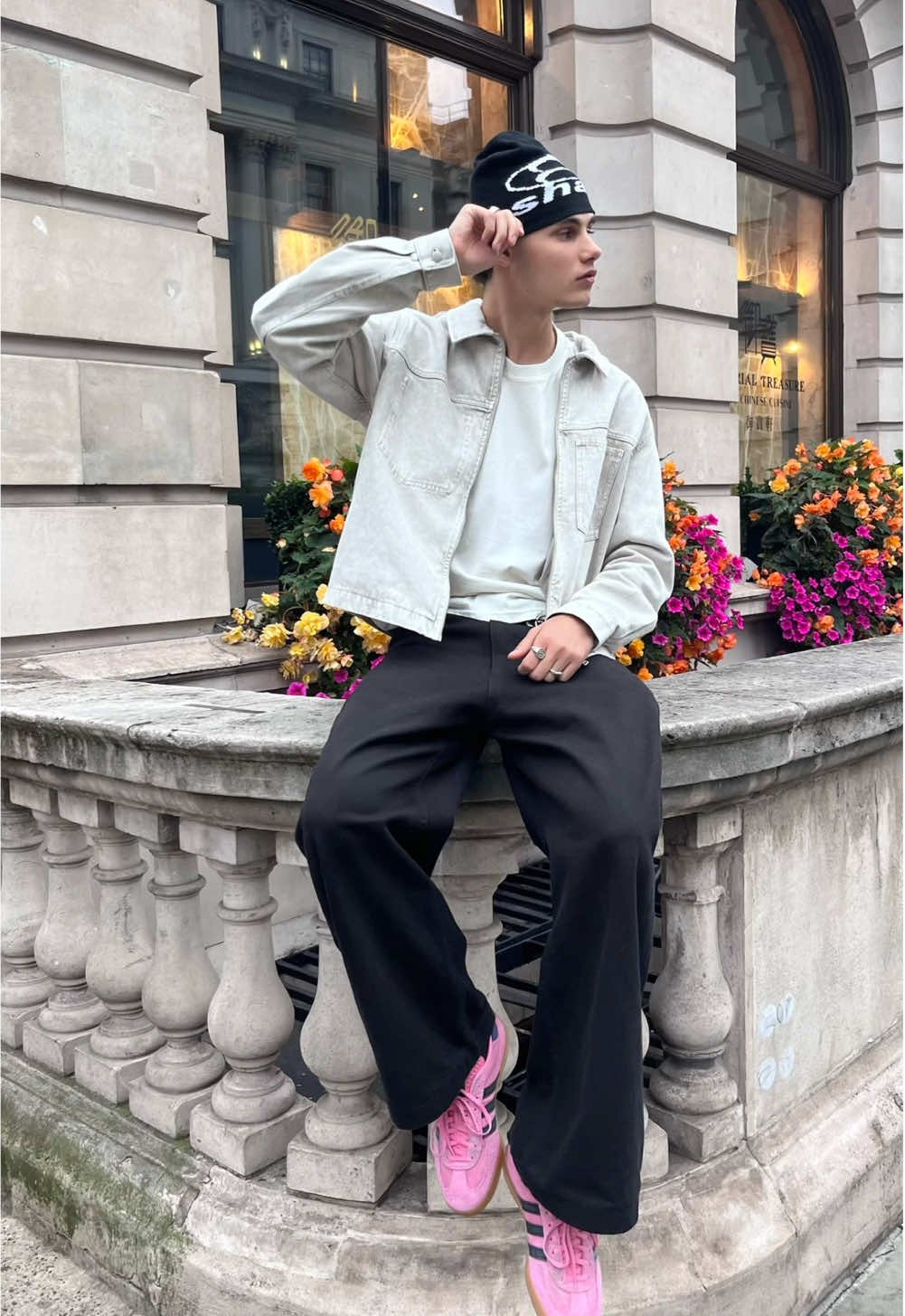
Fashion analysis from
Business of Fashion – Fashion Industry Insights
suggests that modern consumers increasingly mix these two styles in everyday outfits.
When to Choose Streetwear
Streetwear works best when you want to emphasize personal style.
Ideal Situations
- social events
- urban daily fashion
- creative environments
- statement outfits
Streetwear pieces often become conversation starters because they reflect cultural identity.
When to Choose Athleisure
Athleisure is ideal for situations where comfort and mobility matter most.
Ideal Situations
- workouts
- travel
- casual errands
- relaxed daily wear
Athleisure clothing is designed to move with the body.
Performance fabrics make it more functional for active lifestyles.
Side-by-Side Comparison Table
| Feature | Streetwear | Athleisure |
|---|---|---|
| Primary Goal | Fashion and identity | Comfort and activity |
| Key Pieces | Hoodies, graphic tees | Leggings, joggers |
| Fabric | Cotton and fleece | Performance fabrics |
| Cultural Influence | Music and youth culture | Fitness lifestyle |
| Typical Styling | Layered outfits | Sport-inspired outfits |
Both styles dominate modern wardrobes for different reasons.
How Fashion Brands Combine Both Styles
Many modern brands combine streetwear and athleisure design elements.
Examples include:
- athletic joggers styled with graphic hoodies
- performance fabrics used in streetwear silhouettes
- sneakers bridging both fashion categories
This hybrid approach appeals to consumers who want both style and comfort.
Common Misunderstandings
Several misconceptions often appear when comparing these two styles.
Misconception 1: They Are the Same
They overlap visually but originate from different cultural movements.
Misconception 2: Streetwear Is Only for Youth
Streetwear now influences mainstream fashion across many age groups.
Misconception 3: Athleisure Is Only for Gym Wear
Many athleisure outfits are designed specifically for daily lifestyle use.
FAQ
Can streetwear and athleisure be mixed?
Yes. Many modern outfits combine elements from both styles.
Is athleisure more comfortable than streetwear?
Athleisure usually focuses more on performance fabrics, which can increase comfort during physical activity.
Which style is more popular?
Both are extremely popular, but they appeal to slightly different lifestyles.
Can a brand produce both styles?
Yes. Many fashion brands create hybrid collections blending both aesthetics.
Conclusion
Streetwear and athleisure represent two major directions in modern fashion.
Streetwear emphasizes creativity, culture, and identity.
Athleisure emphasizes comfort, performance, and active lifestyles.
Understanding their differences helps consumers and brands choose the right design approach.
As fashion continues evolving, these two styles will likely continue influencing each other.
Internal Reference
If you are developing streetwear or athleisure apparel and need reliable production support, explore:
👉 Fuki Apparel – Streetwear Manufacturing Solutions
Professional manufacturing partners can help turn clothing concepts into scalable fashion products.