
Table of Contents
- Quick Answer
- What Is Off-the-Shelf Streetwear?
- What Is Custom Streetwear?
- Side-by-Side Comparison
- When Off-the-Shelf Makes Sense
- When Custom Streetwear Is the Smarter Move
- Cost, Risk & Profit Breakdown
- Hybrid Strategy: The Smart Beginner Approach
- Decision Framework by Budget Level
- FAQ
- Conclusion
- Internal Reference
Quick Answer
If you're launching a new streetwear brand and wondering what to sell first:
- Low budget / testing stage → Off-the-shelf
- Long-term premium positioning → Custom streetwear
- Balanced growth strategy → Hybrid approach
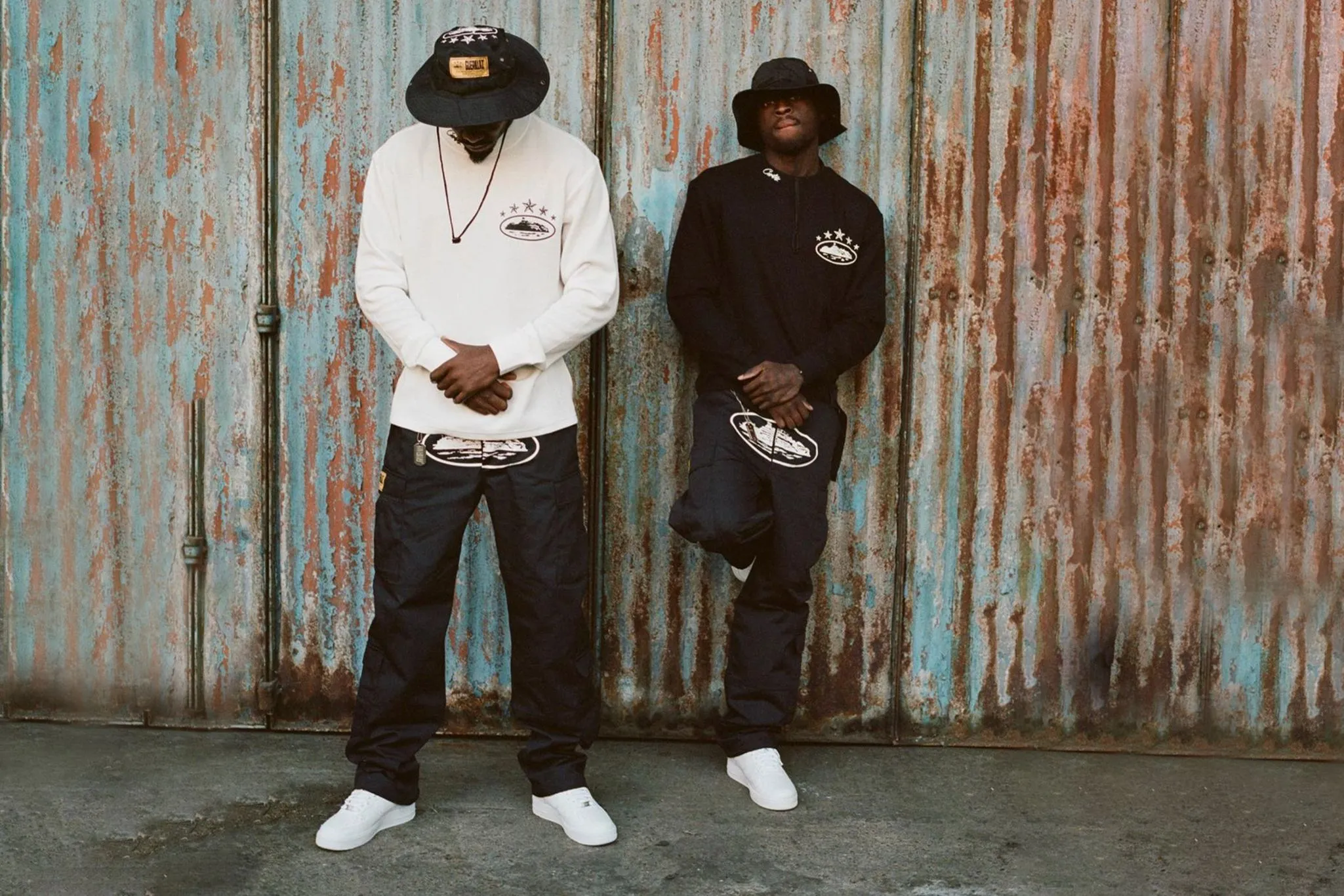
From my experience working with early-stage brands, your first collection should match your financial tolerance and long-term ambition — not just your design vision.
Speed is important.
But positioning is more important.
What Is Off-the-Shelf Streetwear?
Off-the-shelf products are pre-made garment bases where you:
- Add your logo
- Customize labels
- Adjust packaging
- Print or embroider graphics
The base fit and fabric already exist.
Advantages:
- Faster launch timeline
- Lower development cost
- Lower minimum order quantity (MOQ)
- Easier for beginners
Limitations:
- Limited fit customization
- Less fabric control
- Reduced brand differentiation
Many startup brands begin here to test market response.
What Is Custom Streetwear?
Custom streetwear (OEM production) means:
- Developing your own patterns
- Selecting fabric weight (GSM)
- Controlling fit structure
- Choosing trims and construction details
You control the final product entirely.
Trend research platforms like WGSN – Global Fashion Forecasting consistently show that premium differentiation drives long-term brand loyalty.
Custom production builds uniqueness — but requires patience and budget.
Side-by-Side Comparison
| Factor | Off-the-Shelf | Custom Streetwear |
|---|---|---|
| Launch Speed | Fast | Moderate |
| Development Cost | Low | Higher |
| MOQ | Lower | Moderate |
| Fit Control | Limited | Full |
| Fabric Control | Minimal | Complete |
| Brand Differentiation | Medium | High |
| Long-Term Value | Moderate | Strong |
This is not about “better.”
It’s about stage alignment.
When Off-the-Shelf Makes Sense
Off-the-shelf works well if:
- You’re testing your brand concept
- Budget is under $8,000
- You want to validate audience demand
- You are focusing heavily on marketing first
According to Statista – Global Apparel Startup Trends, many small fashion brands prioritize low-risk entry strategies.
Testing reduces financial pressure.
When Custom Streetwear Is the Smarter Move
Custom production is ideal when:
- You want premium positioning
- Fabric weight matters (e.g., 400 GSM hoodie)
- Fit is central to your brand identity
- You plan to scale beyond limited capsules
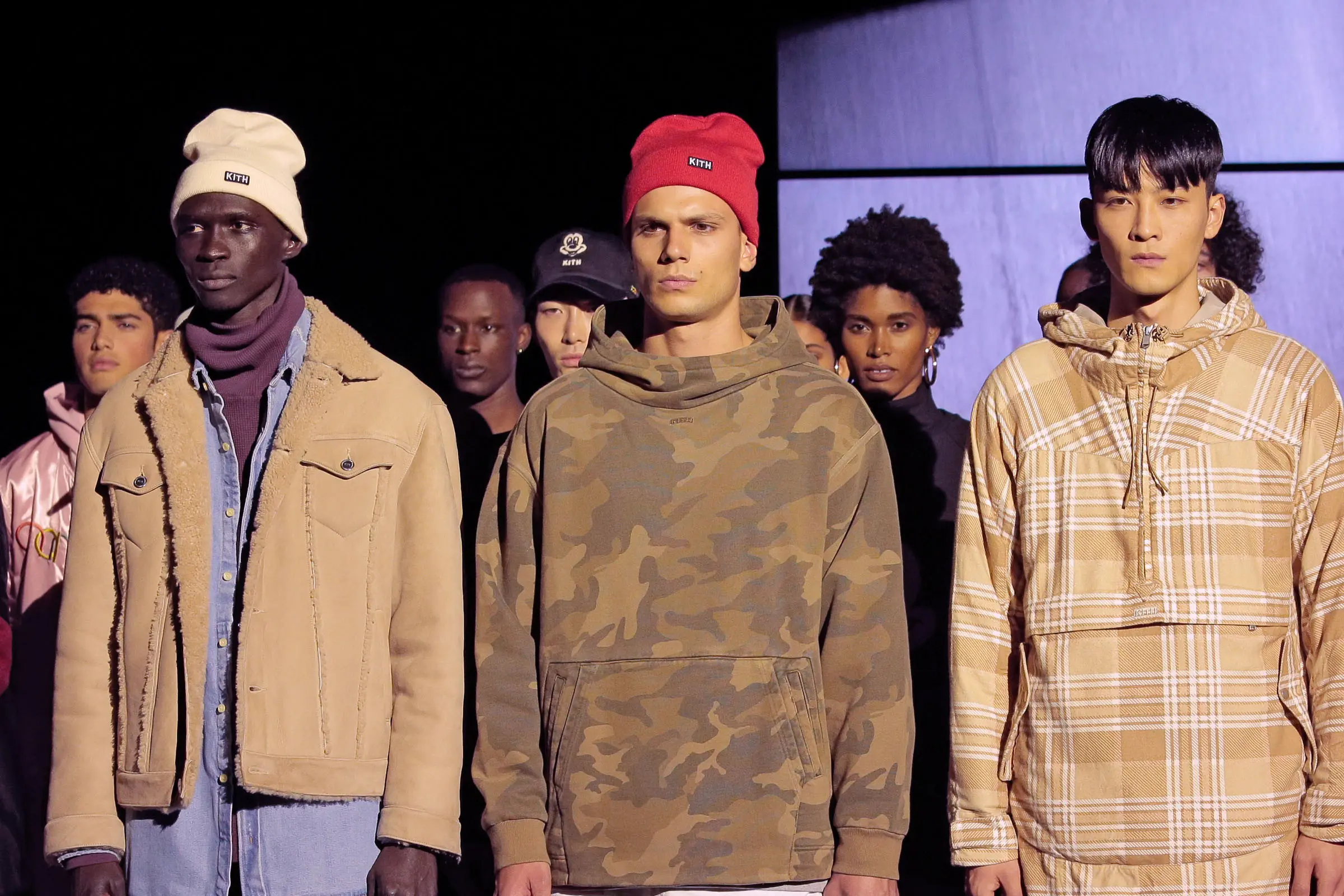
Custom streetwear builds stronger brand equity.
Consumers today are more fabric-aware and fit-sensitive than ever.
Cost, Risk & Profit Breakdown
Off-the-Shelf
- Sampling: $200–$500
- Production: Lower upfront cost
- Risk: Lower financial exposure
- Margins: Moderate
Custom Streetwear
- Sampling: $500–$1,500
- Production: Higher upfront cost
- Risk: Higher initial commitment
- Margins: Stronger if positioned premium
Higher investment can justify higher retail pricing.
Hybrid Strategy: The Smart Beginner Approach
Many successful brands use this structure:
- Launch basics via off-the-shelf
- Develop signature pieces through custom OEM
- Gradually transition core products to custom
This balances:
- Risk
- Cash flow
- Brand development
Hybrid models provide flexibility during growth.
Decision Framework by Budget Level
Budget Under $5,000
→ Start off-the-shelf
→ Focus on branding & validation
Budget $5,000–$15,000
→ Hybrid model
→ Customize key pieces
Budget $15,000+
→ Invest in custom streetwear
→ Develop full collection identity
Strategic alignment prevents overextension.
FAQ
Is custom streetwear always better?
Not at the beginning. It depends on your resources.
Can I transition later?
Yes. Many brands evolve from off-the-shelf to custom.
Does custom mean higher profit?
Potentially — if pricing matches positioning.
Which option is safer?
Off-the-shelf carries lower financial risk.
Conclusion
Your first product decision sets the tone for your brand.
Off-the-shelf offers speed and simplicity.
Custom streetwear offers differentiation and control.
The smartest founders choose based on:
- Budget reality
- Risk tolerance
- Long-term brand vision
Start lean.
Scale strategically.
Internal Reference
If you're evaluating custom OEM streetwear production for your brand’s next stage of growth, explore 👉
Fuki Apparel – Streetwear Manufacturing Solutions
Structured production support helps transition from testing phase to premium positioning.
