
Table of Contents
- Quick Answer
- Why Your Manufacturer Determines Your Brand’s Future
- Step 1: Define Your Product Standards First
- Step 2: Evaluate Fabric & Construction Capability
- Step 3: Check MOQ, Pricing & Scalability
- Step 4: Review Sampling Process & Communication
- Step 5: Quality Control & Inspection Standards
- Red Flags to Avoid
- Manufacturer Comparison Table
- Decision Framework by Brand Stage
- FAQ
- Conclusion
- Internal Reference
Quick Answer
To choose the best streetwear manufacturer, focus on:
- Fabric quality & weight capability
- Fit development experience
- MOQ flexibility
- Clear sampling process
- Reliable quality control
From my experience working with both startups and scaling streetwear brands, the manufacturer you choose will either strengthen your brand — or quietly destroy it.
Design matters.
But production consistency matters more.
Why Your Manufacturer Determines Your Brand’s Future
Streetwear consumers today are highly quality-sensitive.
According to industry insights from Statista – Apparel Market Data, global apparel competition continues rising, meaning product differentiation is essential.
If your hoodie:
- Shrinks after one wash
- Loses shape
- Feels thin
- Has inconsistent sizing
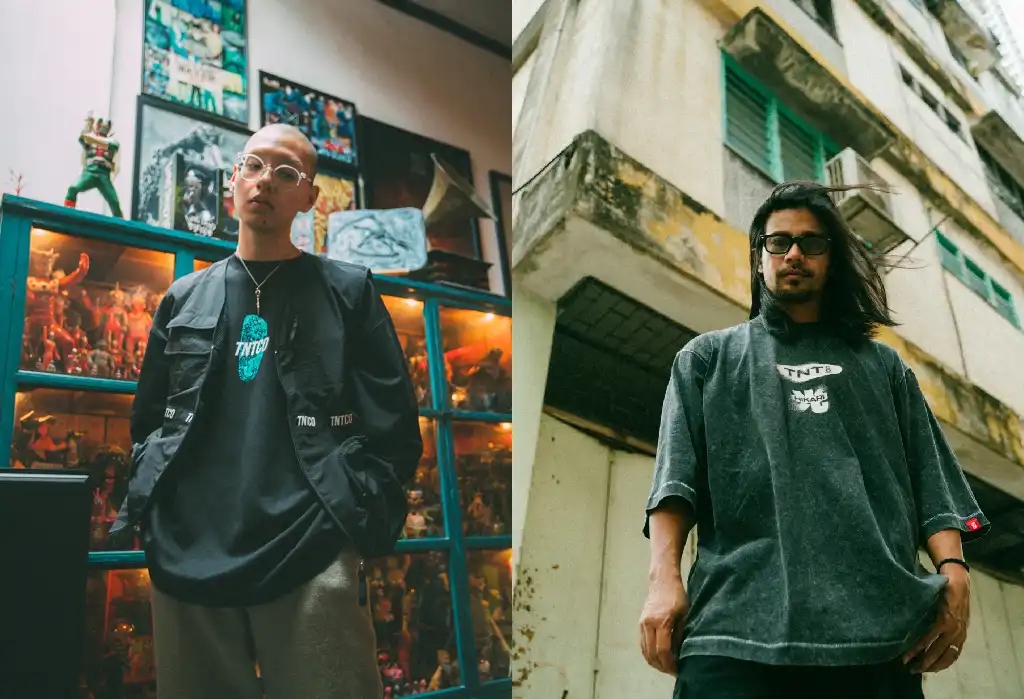
Your brand credibility disappears.
The manufacturer is not just a supplier — it’s your operational backbone.
Step 1: Define Your Product Standards First
Before contacting factories, clarify:
- Target GSM (e.g., 350–450 GSM hoodies)
- Fabric composition (100% cotton? cotton-poly blend?)
- Fit type (oversized, boxy, cropped?)
- Price positioning (premium vs entry-level)
If you don’t define standards, the factory will define them for you.
And that rarely ends well.
Trend forecasting platforms like WGSN – Global Fashion Forecasting consistently show that structured silhouettes and premium fabrics dominate modern streetwear.
Clarity prevents misalignment.
Step 2: Evaluate Fabric & Construction Capability
Ask manufacturers:
- Can you produce custom GSM weights?
- Can you develop custom patterns?
- Do you offer garment washing techniques?
- What stitching density do you use?
Request:
- Fabric swatches
- Size spec sheets
- Previous production samples
Heavyweight streetwear requires technical capability.
If a factory mainly produces lightweight fast-fashion, they may struggle with premium streetwear construction.
Step 3: Check MOQ, Pricing & Scalability
Minimum Order Quantity (MOQ) matters.
| Brand Stage | Ideal MOQ |
|---|---|
| Testing | 50–150 units |
| Early Growth | 100–300 units |
| Scaling | 300+ units |
Low MOQ is attractive — but extremely low MOQ sometimes signals limited production efficiency.
Also ask:
- Can they scale with you?
- Do prices decrease at volume?
- Can they handle multiple SKUs simultaneously?
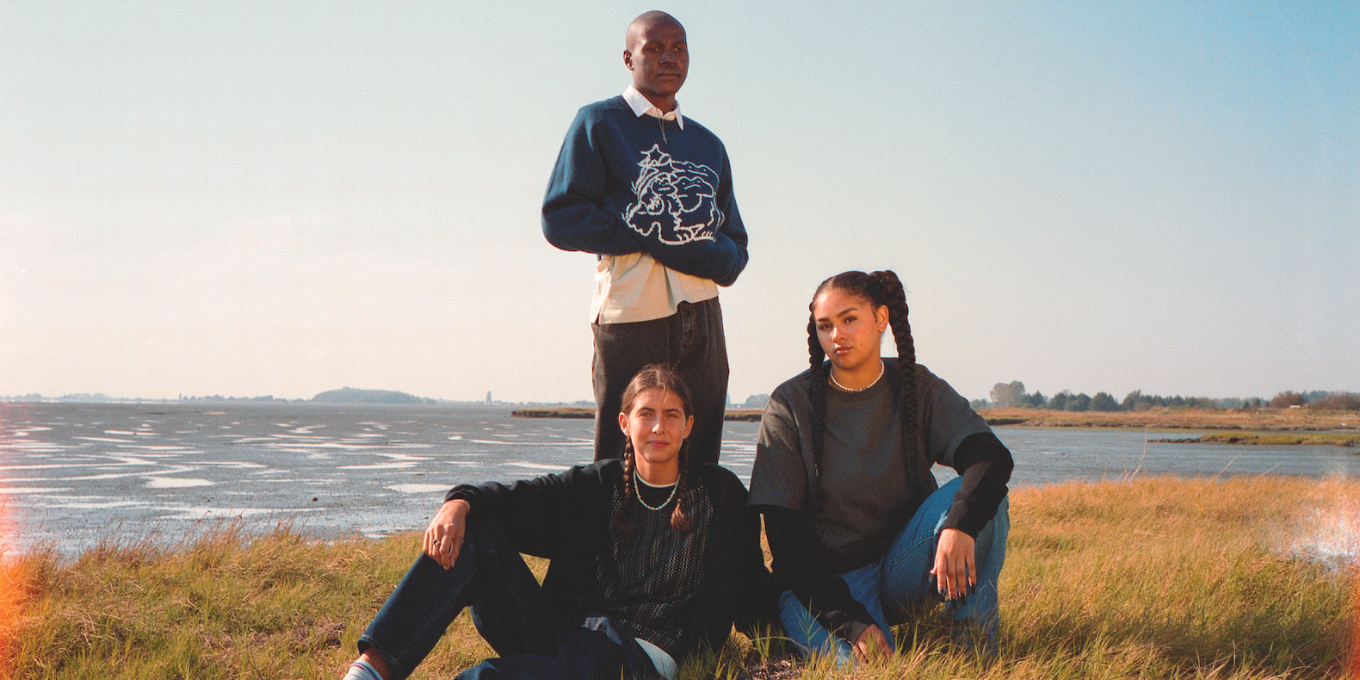
Scalability is long-term security.
Step 4: Review Sampling Process & Communication
Sampling reveals everything.
Evaluate:
- Response time
- Technical understanding
- Willingness to adjust patterns
- Accuracy in following tech packs
Poor communication during sampling = bigger problems during bulk production.
Professional manufacturers provide:
- Clear timelines
- Sample revision tracking
- Transparent cost breakdown
This reduces misunderstandings.
Step 5: Quality Control & Inspection Standards
Ask directly:
- Do you conduct inline inspections?
- Do you perform final QC before shipment?
- What AQL standard do you follow?
Quality control prevents:
- Stitching defects
- Color inconsistency
- Logo misplacement
- Measurement errors
According to supply chain management discussions in Harvard Business Review – Operations Strategy, quality control systems significantly reduce long-term operational risk.
Never skip QC conversations.
Red Flags to Avoid
- Vague answers about fabric sourcing
- No clear sample revision process
- Unrealistically low pricing
- No production timeline structure
- Poor communication clarity
If something feels unclear during early discussions, it usually becomes worse later.
Manufacturer Comparison Table
| Factor | Weak Manufacturer | Strong Manufacturer |
|---|---|---|
| Fabric Knowledge | Basic | Technical |
| Fit Development | Limited | Custom pattern capability |
| MOQ Flexibility | Rigid | Structured tiers |
| QC System | Informal | Documented process |
| Communication | Slow | Clear & consistent |
Choose structure over convenience.
Decision Framework by Brand Stage
If You’re Testing:
- Choose flexible MOQ
- Focus on core basics
If You’re Scaling:
- Prioritize pattern development
- Ensure capacity expansion
If You’re Going Premium:
- Demand custom fabric sourcing
- Tight QC control
- Structured production timeline
The right manufacturer matches your growth ambition.
FAQ
Should I choose local or overseas manufacturing?
Depends on budget, MOQ, and scalability. Overseas often offers stronger price flexibility.
How many samples should I request?
At least 1–2 revisions before bulk approval.
Is the cheapest factory a good option?
Rarely. Low cost often sacrifices quality control.
How long should sampling take?
Typically 7–21 days depending on complexity.
Conclusion
Choosing the best streetwear manufacturer is not about price.
It’s about:
- Fabric capability
- Fit precision
- QC reliability
- Scalability
- Communication clarity
The factory you choose becomes part of your brand identity.
Invest time in evaluation.
It saves years of frustration later.
Internal Reference
If you're looking for structured OEM streetwear manufacturing with clear sampling processes, flexible MOQ, and quality control systems, explore 👉
Fuki Apparel – Streetwear Manufacturing Solutions
A strong production partner supports long-term brand growth.