
Table of Contents
- Quick Overview
- How Big Is the Streetwear Market?
- Key Growth Drivers Behind Streetwear Expansion
- Regional Market Breakdown
- Streetwear Consumer Demographics
- Premium vs Mass-Market Streetwear Growth
- What This Means for Emerging Brands
- Risk Factors to Watch in 2026
- Data Snapshot Table
- FAQ
- Conclusion
- Internal Reference
Quick Overview
The global streetwear market is no longer niche.
It has evolved into a multi-billion-dollar segment influencing:
- Luxury fashion
- Sportswear
- Youth culture
- Digital commerce
From what I’ve seen working with startup and scaling brands, streetwear is no longer “trend-driven.” It’s infrastructure-level fashion.
If you're launching or expanding a streetwear brand, understanding market size and growth trends is critical before making production or pricing decisions.
How Big Is the Streetwear Market?
Exact numbers vary depending on classification (streetwear vs sportswear crossover), but industry research consistently shows strong growth.
According to Statista – Global Apparel Industry Data, the broader apparel market continues steady global expansion, with youth-driven segments outperforming traditional categories.

Streetwear overlaps heavily with:
- Casualwear
- Premium sportswear
- Sneaker culture
- Contemporary luxury
Market analysts estimate streetwear-related segments contribute tens of billions annually within the global apparel industry.
What matters more than the raw number is this:
Streetwear is influencing the entire fashion ecosystem.
Key Growth Drivers Behind Streetwear Expansion
From my production-side perspective, growth is driven by five main forces:
1. Youth Culture Influence
Gen Z and Millennials prioritize self-expression over formalwear.
2. Digital-First Brands
Direct-to-consumer (DTC) models reduce overhead and increase margins.
3. Luxury Crossover
Luxury brands adopting hoodies and sneakers legitimized streetwear globally.
4. Drop Culture
Limited releases create urgency and demand spikes.
Scarcity marketing is widely discussed in Harvard Business Review – Consumer Psychology
5. Premium Fabric Expectations
Consumers now expect:
- 240–300 GSM tees
- 350–450 GSM hoodies
- Elevated construction
Streetwear has moved from graphic-heavy to quality-driven.
Regional Market Breakdown
North America
- Mature streetwear ecosystem
- Strong resale market
- Heavy sneaker culture influence
Europe
- Strong luxury-street fusion
- Minimalist premium streetwear growth
Asia-Pacific
- Rapid expansion
- High demand for limited drops
- Strong influence from Korean & Japanese street fashion
Trend forecasting agencies like WGSN – Global Fashion Forecasting highlight Asia as a major growth engine for youth-led fashion.
Streetwear Consumer Demographics
Modern streetwear buyers typically:
- Age: 18–35
- Digital-native
- Influenced by social media
- Interested in culture, not just clothing
Buying Motivations
| Motivation | Importance |
|---|---|
| Identity Expression | High |
| Exclusivity | High |
| Quality | Increasing |
| Sustainability | Growing |
| Brand Story | Critical |
In my experience, brands that communicate culture outperform brands that only sell products.
Premium vs Mass-Market Streetwear Growth
One of the biggest shifts in 2026 is premium streetwear growth.
| Segment | Growth Trend | Margin Potential |
|---|---|---|
| Low-cost Graphic Tees | Saturated | Low |
| Premium Heavyweight Basics | Growing | Strong |
| Technical Utility Streetwear | Growing | High |
| Luxury Collaborations | Stable | High |
Premium positioning reduces price competition.
That’s why fabric quality and construction now matter more than ever.
What This Means for Emerging Brands
If you're entering the streetwear market now, here’s what I recommend:
Focus On:
- Heavyweight core pieces
- Limited capsule drops
- Strong storytelling
Avoid:
- Competing only on low price
- Overproducing inventory
- Ignoring fit development
For brands looking to align production with modern premium expectations, explore 👉
Fuki Apparel – Streetwear Manufacturing Solutions
Structured OEM production supports scalable growth.
Risk Factors to Watch in 2026
Every growing market carries risk.
1. Market Saturation
Too many low-quality brands entering the space.
2. Hype Fatigue
Consumers becoming less responsive to logo-only strategies.
3. Cost Inflation
Fabric and logistics costs rising globally.
4. Fast Trend Cycles
Micro-trends change quickly via TikTok.
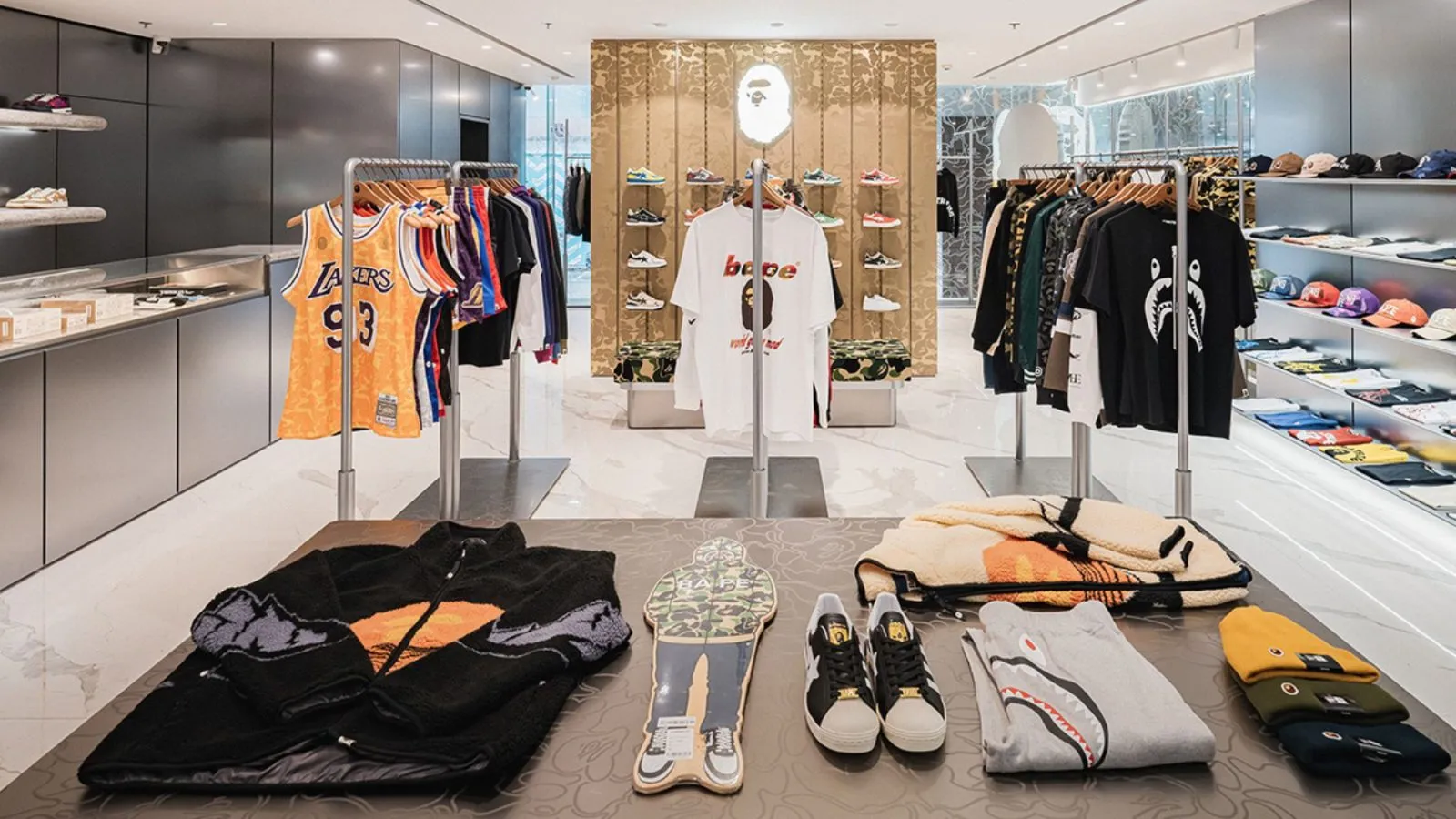
Smart brands manage inventory carefully and focus on timeless structure.
Data Snapshot Table
| Factor | Insight |
|---|---|
| Global Apparel Growth | Steady expansion |
| Youth Influence | Strongest driver |
| Premium Segment | Outperforming |
| DTC Model | Increasing adoption |
| Asia-Pacific | Fastest growth region |
Streetwear remains one of the most culturally powerful apparel segments.
FAQ
Is the streetwear market still growing?
Yes. While hype cycles fluctuate, premium streetwear continues expanding.
Is it too late to start a streetwear brand?
No — but differentiation and quality are essential.
What segment is most profitable?
Premium heavyweight basics and technical utility capsules.
Should startups go global immediately?
Focus local first, scale digitally.
Conclusion
Streetwear is no longer underground.
It’s a structured, global, multi-billion-dollar force within the apparel industry.
But growth does not mean easy success.
Brands that win in 2026 understand:
- Culture
- Quality
- Controlled production
- Strategic positioning
Market size shows opportunity.
Execution determines survival.
Internal Reference
If you're building a streetwear brand aligned with current market growth and premium positioning strategies, explore 👉
Fuki Apparel – Streetwear Manufacturing Solutions