
Table of Contents
- Quick Overview
- Trend 1: Elevated Minimalism
- Trend 2: Ultra-Heavyweight & Structured Silhouettes
- Trend 3: Tech-Utility Streetwear
- Trend 4: Vintage Wash & Garment-Dyed Finishes
- Trend 5: Sustainable & Transparent Production
- Trend 6: Limited Drops & Micro-Collections
- Trend 7: Gender-Neutral & Relaxed Fits
- Quick Comparison Table
- How to Apply These Trends to Your Brand
- FAQ
- Conclusion
- Internal Reference
Quick Overview
Streetwear in 2026 is no longer just about loud graphics.
From what I’ve seen working closely with emerging and scaling brands, the market is shifting toward:
- higher-quality fabrics
- stronger silhouettes
- cleaner brand identities
- smarter drop strategies
If you're building or adjusting your streetwear line, these trends are not optional—they are directional signals.
To understand broader fashion shifts, platforms like WGSN have also pointed toward structured design and sustainability as major themes.
Let’s break it down clearly.
Trend 1: Elevated Minimalism
Streetwear is maturing.
Instead of oversized logos everywhere, brands are moving toward:
- small tonal embroidery
- clean typography
- neutral color palettes
- premium fabric focus
Why This Works in 2026
Streetwear consumers are aging. Many buyers are now in the 25–35 range and want more versatility from their wardrobes.
Best Products for This Trend
| Item | Key Detail |
|---|---|
| Oversized Tee | Heavy cotton, small chest logo |
| Hoodie | Clean back embroidery |
| Sweatpants | Minimal branding |
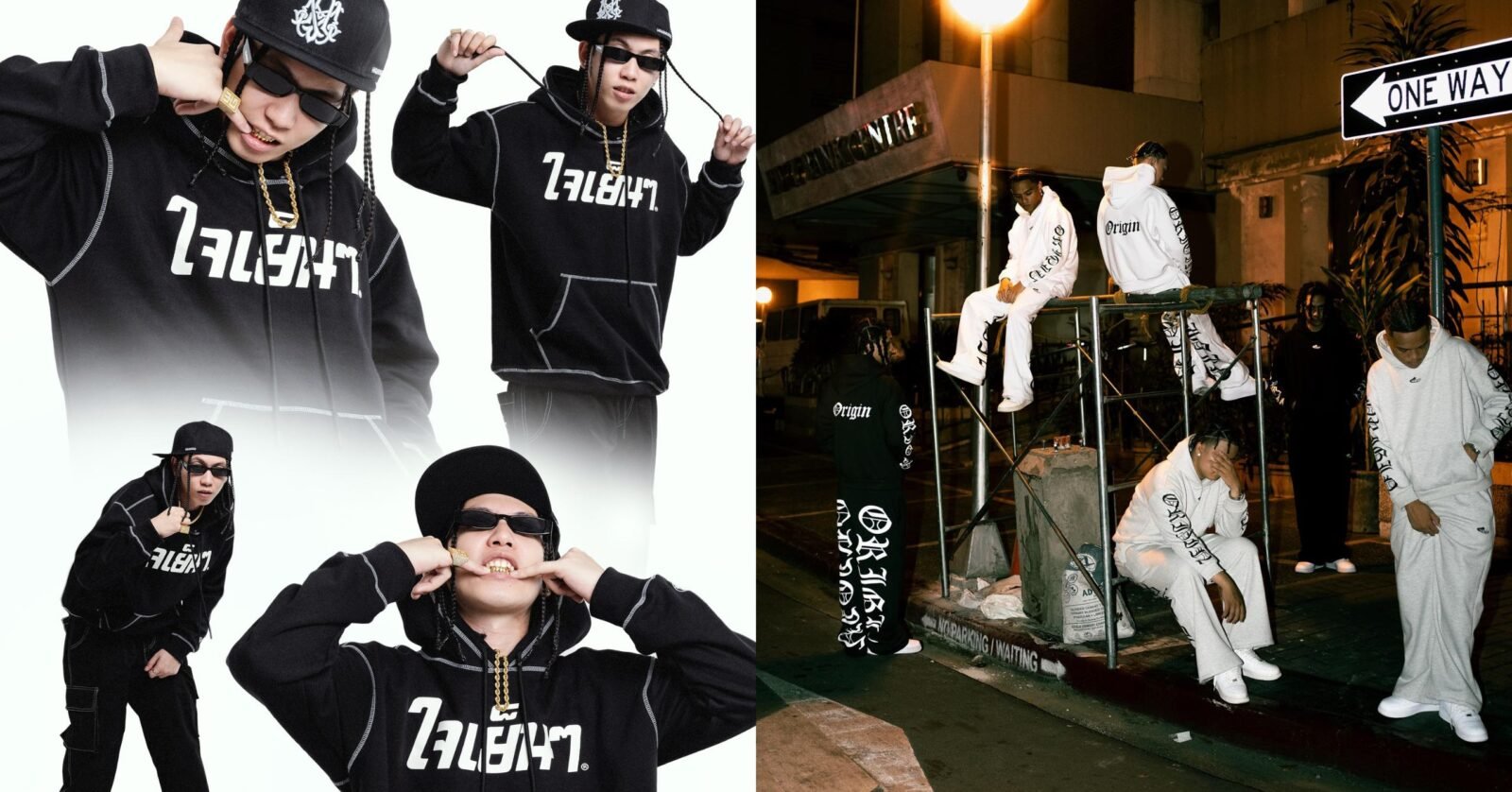
If your brand wants a more premium position, this is one of the strongest directions to take.
Trend 2: Ultra-Heavyweight & Structured Silhouettes
Fabric weight matters more than ever.
In 2026, customers increasingly expect:
- T-shirts: 240–300 GSM
- Hoodies: 380–450 GSM
- structured shoulders
- drop-shoulder cuts
Heavier fabric creates stronger perceived value.
According to Statista apparel market data, premium positioning continues to outperform low-cost oversaturated segments in many parts of fashion.
If you want to compete seriously, lightweight basics are no longer enough.
Trend 3: Tech-Utility Streetwear
Functional design is continuing to merge with street aesthetics.
Key elements include:
- multiple pockets
- adjustable toggles
- nylon blends
- zipper details
- reflective trims
This trend is driven by the crossover between outdoor performance wear and everyday streetwear.
Brands are increasingly blending function and fashion into one product language.
Trend 4: Vintage Wash & Garment-Dyed Finishes
Washed textures remain strong in 2026.
Expect to see:
- acid-wash tees
- faded charcoal hoodies
- pigment-dyed sweatshirts
- sun-fade gradients
These finishes create individuality because no two pieces look exactly the same.
From my production experience, garment dyeing increases cost slightly, but it can dramatically increase perceived uniqueness and product depth.
Trend 5: Sustainable & Transparent Production
Consumers care more than ever about where clothes come from.
Streetwear brands are increasingly:
- using certified cotton
- showing factory processes
- highlighting ethical production
- sharing sourcing stories
For widely recognized textile safety standards, see OEKO-TEX® Standard 100.
Transparency builds trust—especially for international buyers and younger consumers.
Trend 6: Limited Drops & Micro-Collections
Instead of launching huge seasonal collections, many brands are moving toward:
- 3–5 SKU micro drops
- 100–300 unit releases
- time-limited access
Scarcity psychology still works.
Research from Harvard Business Review has repeatedly shown that controlled availability can increase perceived value.
Streetwear remains drop-driven in 2026—but the strongest brands are becoming more refined about it.
Trend 7: Gender-Neutral & Relaxed Fits
Unisex design keeps gaining momentum.
Relaxed, boxy silhouettes help brands:
- reduce inventory complexity
- expand the target audience
- simplify size planning
From a production standpoint, unisex oversized fits often reduce development costs while improving sell-through efficiency.
This is one of the most practical trends on the list.
Quick Comparison Table
| Trend | Best For | Risk Level | Profit Potential |
|---|---|---|---|
| Elevated Minimalism | Premium brands | Low | High |
| Heavyweight Fabrics | Quality-focused brands | Moderate | High |
| Tech-Utility | Trend-driven brands | Moderate | Moderate |
| Vintage Wash | Youth market | Low | High |
| Sustainability | Long-term positioning | Low | Strong |
| Limited Drops | Startup brands | Low | Strong |
| Unisex Fits | Lean inventory strategy | Low | Stable |
How to Apply These Trends to Your Brand
Here’s my practical advice.
If You’re a Startup
Focus on:
- heavyweight basics
- limited drops
- minimal branding
If You’re Scaling
Add:
- garment dye programs
- signature fit adjustments
- structured seasonal capsules
If You Want Premium Positioning
Invest in:
- 380+ GSM hoodies
- clean embroidery
- custom silhouette development

For brands looking to build fully customized collections aligned with these 2026 directions, explore:
👉 FuKi Apparel – Streetwear Manufacturing Solutions
FAQ
Are graphic-heavy designs still trending?
Yes, but in a more refined way. Oversized chaotic graphics are becoming less dominant.
What fabric weight should I use in 2026?
For a premium feel, aim for at least 240 GSM on tees.
Are drops still effective?
Yes—but smaller, tighter, and more controlled drops tend to perform better.
Should startups follow every trend?
No. Choose two or three trends that fit your brand identity and execute them well.
Conclusion
Streetwear in 2026 is evolving in clear directions:
- elevated simplicity
- heavier fabrics
- limited drops
- transparent production
Trends alone do not guarantee success.
Execution does.
Choose strategically. Develop intentionally. Launch confidently.
Internal Reference
If you're planning your 2026 streetwear collection and need OEM development support, explore:
👉 FuKi Apparel – Streetwear Manufacturing Solutions
Because the strongest collections are not just trend-aware—they are built to last.
