
Table of Contents
- Quick Answer
- Step 1: Clarify Your Brand Positioning First
- Step 2: Understand Manufacturer Types
- Step 3: Evaluate Product Quality Standards
- Step 4: Compare MOQ, Pricing & Cash Flow Impact
- Step 5: Sampling Process & Development Capability
- Step 6: Communication & Production Transparency
- Step 7: Scalability for Long-Term Growth
- Manufacturer Comparison Checklist
- Common Red Flags to Avoid
- FAQ
- Conclusion
- Internal Reference
Quick Answer
The perfect streetwear manufacturer is not the cheapest one.
It’s the one that:
- Matches your brand positioning
- Delivers consistent quality
- Communicates clearly
- Scales with your growth
From my experience working with emerging and scaling streetwear brands, most problems don’t come from design mistakes — they come from choosing the wrong manufacturing partner.
This guide will help you avoid that.
Step 1: Clarify Your Brand Positioning First
Before contacting any factory, ask yourself:
- Are you building a premium brand or entry-level streetwear?
- Do you need custom fabric development?
- Are you launching 100 pieces or 5,000 pieces?
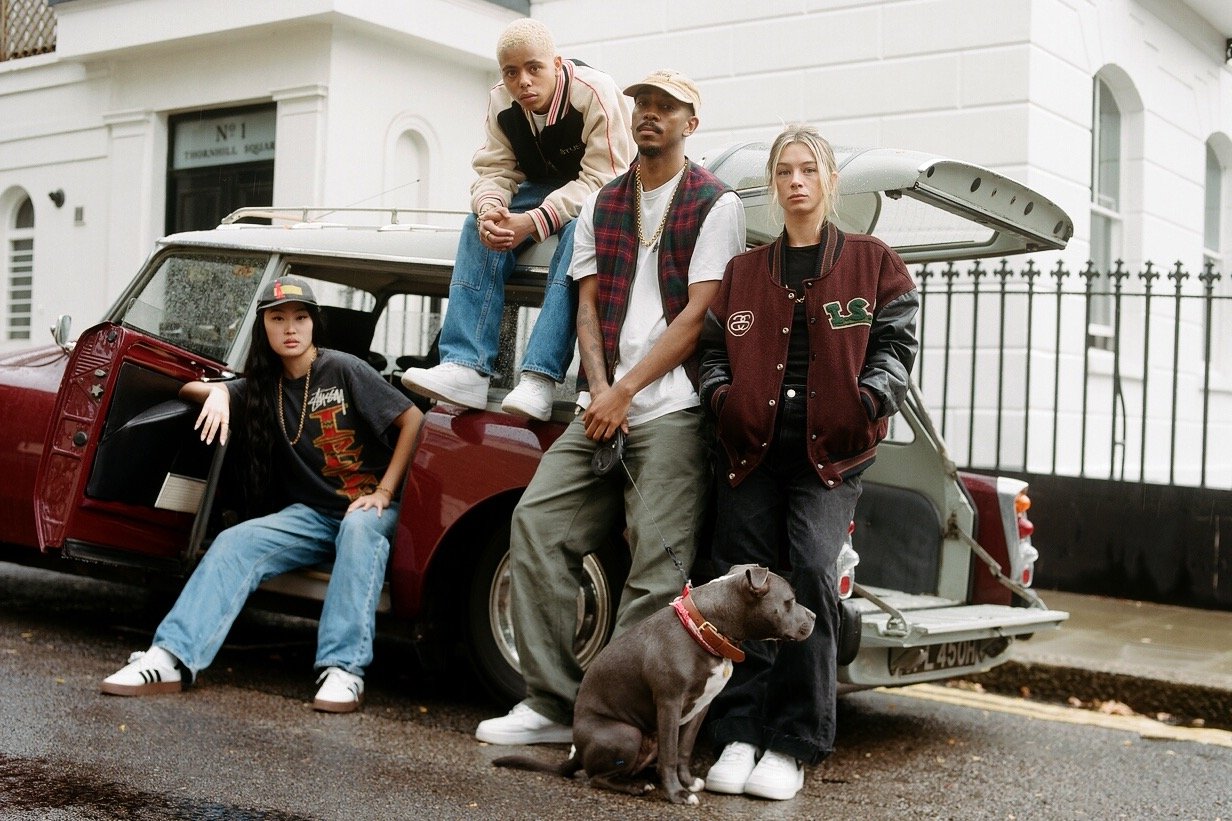
A luxury-focused brand needs different manufacturing capabilities than a trend-based fast drop brand.
If you skip this step, you’ll compare factories incorrectly.
Step 2: Understand Manufacturer Types
Not all streetwear manufacturers operate the same way.
1. Private Label Manufacturer
- Ready-made designs
- Add your logo
- Faster production
- Lower customization
2. OEM Manufacturer
- Fully custom development
- Custom patterns, fabric, trims
- Higher brand differentiation
3. Trading Company
- Middleman between you and factory
- Less transparency
- Easier initial communication
If your goal is long-term brand identity and unique fits, OEM manufacturing is usually the stronger choice.
For structured OEM streetwear development, explore
Fuki Apparel – Streetwear Manufacturing Solutions
Step 3: Evaluate Product Quality Standards
Quality defines your brand reputation.
Ask manufacturers:
- What GSM fabrics do you offer?
- Can you do garment dye or enzyme wash?
- What stitching standard do you follow?
- Do you perform in-line quality checks?
Example Quality Benchmarks
| Item | Premium Standard |
|---|---|
| T-shirt | 220–260 GSM |
| Hoodie | 320–400 GSM |
| Stitching | Double-needle reinforced |
| Shrinkage Rate | <3% after wash |
For global textile standards, refer to
OEKO-TEX® Standard 100
Factories aligned with recognized certifications reduce long-term quality risk.
Step 4: Compare MOQ, Pricing & Cash Flow Impact
MOQ (Minimum Order Quantity) directly affects your startup risk.
Example Comparison
| Factory Type | MOQ | Risk Level |
|---|---|---|
| Small Workshop | 50–100 pcs | Low |
| Medium OEM Factory | 200–300 pcs | Moderate |
| Large Industrial Factory | 500+ pcs | Higher |
Lower MOQ doesn’t always mean better.
Sometimes slightly higher MOQ gives:
- Better fabric sourcing
- Lower unit cost
- Stronger margin
According to apparel market data from
Statista – Global Apparel Production Data
Production efficiency significantly impacts retail pricing competitiveness.
Step 5: Sampling Process & Development Capability
Never choose a factory without testing samples.
From my experience, this is where most hidden issues appear.
Ask About:
- Pattern-making timeline
- Revision policy
- Fit adjustments
- Fabric sourcing options
Ideal Sampling Timeline
| Stage | Duration |
|---|---|
| Pattern Development | 5–7 days |
| First Sample | 7–14 days |
| Revisions | 7 days |
If a factory promises “3-day full custom sample,” be cautious.
Step 6: Communication & Production Transparency
Good communication prevents 80% of production disasters.
You want:
- English-speaking merchandisers
- Clear tech pack review
- Production timeline updates
- QC reports before shipment
For small business operational guidance, see
U.S. Small Business Administration – Supplier Evaluation
Professional suppliers welcome structured communication.
Step 7: Scalability for Long-Term Growth
Choosing a manufacturer is not just about your first drop.
Ask:
- Can they handle 5x order volume?
- Do they offer fabric innovation?
- Can they support seasonal collections?
Brands that grow fast often outgrow their first factory.
Choose a partner that scales with you.
Manufacturer Comparison Checklist
Before deciding, compare factories on:
- Quality samples
- MOQ flexibility
- Fabric options
- Communication clarity
- Production capacity
- QC system
- Lead time
- Payment terms
Score each factor from 1–5.
The highest total score wins — not the lowest price.
Common Red Flags to Avoid
- No clear production timeline
- Refusal to provide sample revisions
- Vague fabric specifications
- No QC explanation
- Unrealistically low pricing
If pricing looks too good to be true, it usually is.
FAQ
How many manufacturers should I compare?
At least 3 before making a decision.
Should I visit the factory?
If possible, yes. If not, request production videos and QC documentation.
Is overseas manufacturing risky?
Only if communication and sampling are weak.
What is the most important factor?
Consistency. A reliable manufacturer beats a cheap one.
Conclusion
The perfect streetwear manufacturer is:
- Aligned with your brand level
- Transparent in communication
- Proven in quality control
- Scalable for growth
Choosing wisely at the beginning saves years of problems later.
Streetwear is competitive.
Your manufacturing partner should be your advantage — not your weakness.
Internal Reference
If you're looking for a structured OEM streetwear manufacturing partner that supports sampling, quality control, and scalable production, explore 👉 Fuki Apparel – Streetwear Manufacturing Solutions
