
Table of Contents
- Quick Answer
- What Is Streetwear OEM?
- What Is Private Label in Streetwear?
- OEM vs Private Label: Side-by-Side Comparison
- Cost Breakdown in 2026
- Customization & Brand Control
- Speed to Market: Which Is Faster?
- Profit Margins & Long-Term Scalability
- Which Model Fits Your Brand Stage?
- Common Mistakes Brands Make
- FAQ
- Conclusion
- Internal Reference
Quick Answer
If you want full customization, unique fits, custom fabrics, and long-term brand value, OEM is usually better.
If you want low risk, faster launch, and minimal development work, private label is safer.
From my experience working with startup and scaling streetwear brands, the real answer depends on:
- Your budget
- Your timeline
- Your long-term brand vision
In 2026, brands that aim for differentiation increasingly choose OEM — but private label still works for lean testing.
What Is Streetwear OEM?
OEM stands for Original Equipment Manufacturing.
In streetwear, this means:
- You create your own designs
- The factory develops patterns from scratch
- Fabric, wash, and trims are customized
- Fit and construction are exclusive to your brand
You control the final product completely.
For brands that want deep customization, structured development support can be found at
Fuki Apparel – Streetwear Manufacturing Solutions
OEM is ideal when you want:
- Custom oversized silhouettes
- Unique fabric weights (e.g., 380 GSM fleece)
- Special wash effects
- Custom embroidery & trims
What Is Private Label in Streetwear?
Private label means:
- The factory already has a ready-made design
- You add your logo
- Minor adjustments are allowed
You don’t control the core pattern.
Private label works well when:
- You’re testing demand
- You want lower MOQs
- You want faster turnaround
Many early-stage brands start here before upgrading to OEM.
OEM vs Private Label: Side-by-Side Comparison
| Factor | OEM | Private Label |
|---|---|---|
| Custom Fit | Full Control | Limited |
| Fabric Options | Fully Custom | Pre-selected |
| MOQ | Medium | Lower |
| Development Time | Longer | Faster |
| Brand Differentiation | High | Medium |
| Scalability | Strong | Moderate |
If your goal is long-term brand equity, OEM offers more control.
Cost Breakdown in 2026
Let’s talk numbers realistically.
Example: Oversized Hoodie
| Model | Approx Production Cost | Notes |
|---|---|---|
| Private Label | $12–$18 | Standard 320 GSM |
| OEM Custom | $18–$28 | Custom 380 GSM, unique fit |
Higher cost does not mean lower profit.
According to global apparel data from
Statista – Apparel Market Overview
Premium positioning continues to outperform low-cost saturation.
If your retail price is $65–$85, OEM margins remain strong.
Customization & Brand Control
This is where OEM dominates.
With OEM, you control:
- Fit proportions
- Drop shoulder depth
- Sleeve width
- Fabric density
- Garment dye & wash
Private label limits these options.
From my experience, brands that rely only on private label often struggle with long-term differentiation.
Speed to Market: Which Is Faster?
Private label wins on speed.
| Stage | Private Label | OEM |
|---|---|---|
| Sampling | 7–10 days | 14–21 days |
| Production | 20–30 days | 30–45 days |
If you need quick testing, private label is practical.
If you’re building a brand for 5+ years, OEM is strategic.
Profit Margins & Long-Term Scalability
Private label margins can look attractive initially because costs are lower.
However:
- Competition is higher
- Products are less unique
- Price wars happen faster
OEM allows premium pricing.
If your hoodie costs $22 and sells for $75, margin structure becomes powerful.
Scarcity and premium positioning strategies are discussed in
Harvard Business Review – Brand Strategy Insights
Differentiation protects margin.
Which Model Fits Your Brand Stage?
Choose Private Label If:
- Budget under $3,000
- Testing product-market fit
- Limited design experience
Choose OEM If:
- You want a signature fit
- You plan long-term growth
- You want higher retail positioning
- You want investor-level brand value
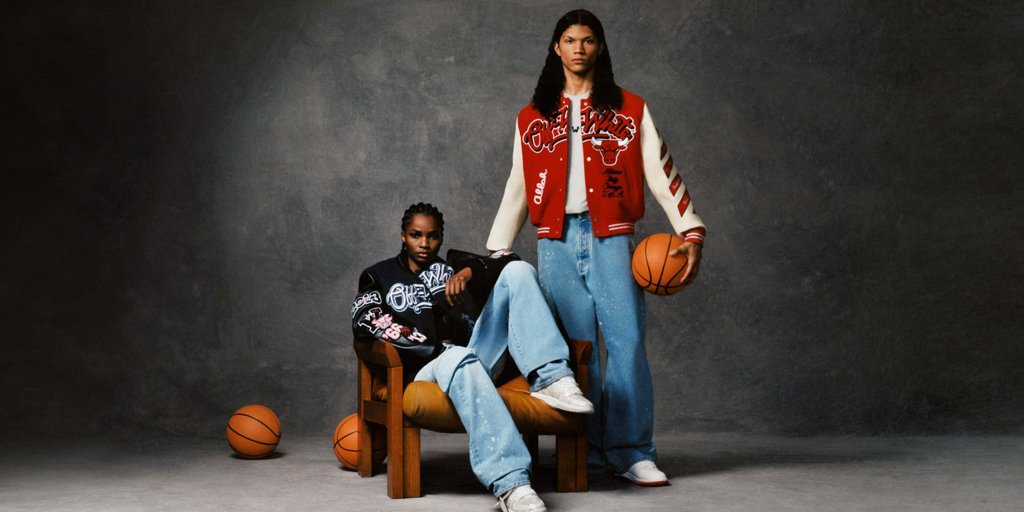
In 2026, serious streetwear brands are moving toward OEM to stand out in a crowded market.
Common Mistakes Brands Make
- Choosing private label but expecting luxury differentiation
- Going OEM without proper tech packs
- Ignoring fit testing
- Underestimating development time
- Competing only on price
The wrong model can slow your growth.
FAQ
Is OEM more expensive?
Yes upfront — but often more profitable long-term.
Can I switch from private label to OEM later?
Yes. Many brands transition after validating demand.
Which has lower risk?
Private label has lower initial risk.
Which is better for premium brands?
OEM.
Conclusion
There is no universal “best” model.
Private label is better for:
- Speed
- Budget control
- Market testing
OEM is better for:
- Brand identity
- Long-term differentiation
- Premium positioning
- Scalability
In 2026, the brands that win are the ones that invest in uniqueness — not shortcuts.
Internal Reference
If you're evaluating OEM production for your streetwear brand and need structured development support, explore 👉
Fuki Apparel – Streetwear Manufacturing Solutions
