
If you’ve ever bought (or almost bought) Hellstar from a resale site, you’ve probably asked:
“How do I actually authenticate Hellstar and avoid fakes?”
I’ve worked with apparel quality control and brand verification for years. Hellstar doesn’t offer an official authentication service, so you have to rely on physical checks and smart buying habits. The good news: most counterfeits fail in predictable ways.
Here’s a clear, practical way to authenticate Hellstar.
Table of Contents
- Quick Answer
- Does Hellstar Offer Official Authentication?
- Step-by-Step Hellstar Authentication Checklist
- Key Details to Inspect
- Real vs Fake: Quick Comparison Table
- Where to Buy Safely
- Common Authentication Mistakes
- FAQ
- Conclusion
- Internal Reference
Quick Answer
You authenticate Hellstar by checking fabric weight, print clarity, tag accuracy, stitching quality, and seller credibility.
If two or more details feel “off,” assume it’s fake.
Does Hellstar Offer Official Authentication?
No—Hellstar does not provide a public authentication service.
That means:
- No QR-code verification
- No serial-number database
- No official certificates
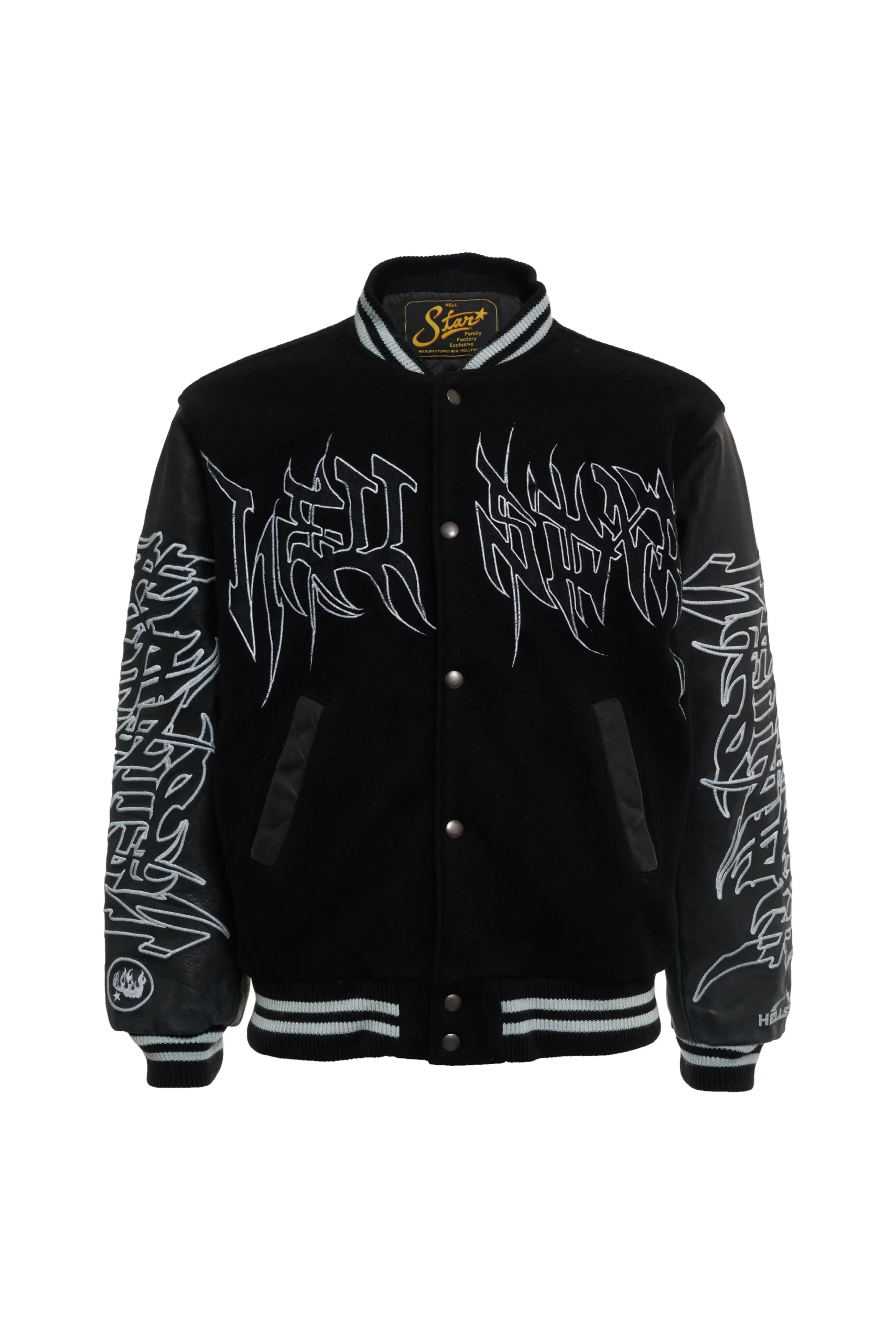
Authentication relies on product construction and buying source, not brand-issued tools.
Step-by-Step Hellstar Authentication Checklist
Before you buy or accept a piece, run this checklist:
- Feel the fabric (should be heavyweight)
- Inspect print edges and ink density
- Compare tags with verified retail photos
- Check stitching at collar and hem
- Evaluate fit and silhouette
- Review seller history and photos
This takes two minutes—and saves money.
Key Details to Inspect
Fabric Weight and Feel
Authentic Hellstar:
- Dense cotton or fleece
- Holds structure
- Feels substantial
Common fakes:
- Thin blanks
- Soft but flimsy feel
Print Quality
Real Hellstar prints:
- Sharp edges
- Even ink coverage
- No chalky texture
Fake prints often show:
- Blurring
- Bleeding
- Premature cracking
Tags, Labels, and Stitching
Check:
- Neck tag font and spacing
- Care label placement
- Stitching consistency
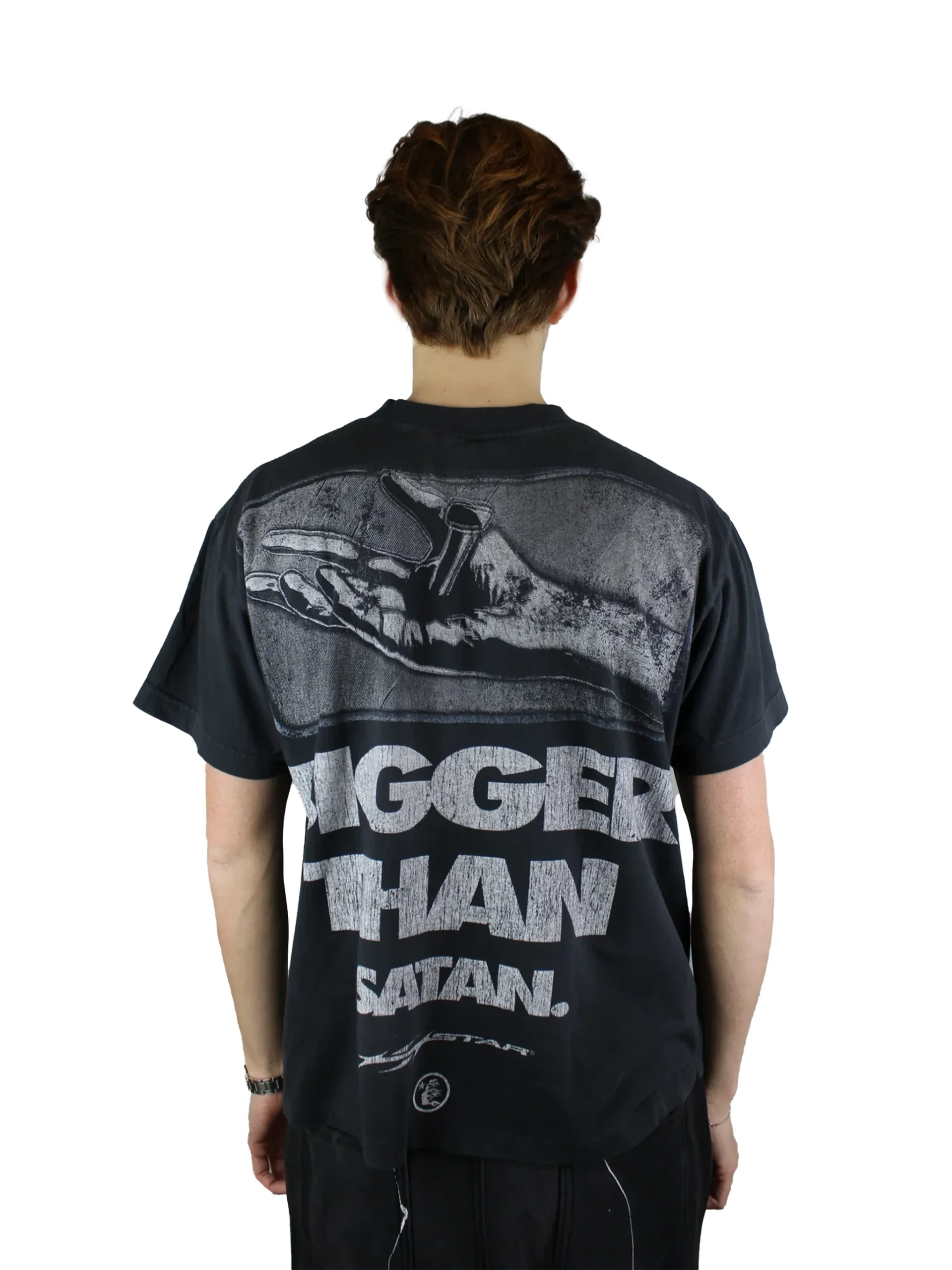
Counterfeits often use:
- Generic tags
- Wrong fonts
- Crooked seams
Fit and Silhouette
Hellstar silhouettes are consistent:
- Boxy body
- Dropped shoulders
- Balanced sleeve length
Fakes often feel proportionally “off.”
Real vs Fake: Quick Comparison Table
| Feature | Real Hellstar | Fake Hellstar |
|---|---|---|
| Fabric | Heavyweight | Lightweight |
| Crisp, dense | Blurry, thin | |
| Tags | Clean, branded | Generic |
| Stitching | Neat | Messy |
| Price | Market-level | Too cheap |
Where to Buy Safely
Safer options include:
- Official brand site
- Verified retailers
- Trusted resale platforms with buyer protection
Avoid:
- New sellers with no feedback
- Listings with only stock photos
- “Too good to be true” pricing
Streetwear coverage from Hypebeast and Highsnobiety regularly warn about counterfeit risks around hype brands.
Common Authentication Mistakes
- Trusting logos alone
- Ignoring fabric quality
- Skipping tag comparison
- Relying on seller claims
- Being rushed into payment
Fakes thrive on urgency.
FAQ
Can photos alone authenticate Hellstar?
Sometimes—but physical inspection is far more reliable.
Are some Hellstar fakes very close to real?
Visually, yes. Construction quality usually exposes them.
Is resale always risky?
Yes, but careful checks reduce the risk significantly.
Conclusion
So—how do you authenticate Hellstar?
By trusting construction details over branding and hype.
Real Hellstar feels intentional.
Fake Hellstar feels rushed.
If a piece fails basic quality checks, it’s not authentic.
Internal Reference
If you’re sourcing or producing streetwear and want to understand how professional QC prevents counterfeit-quality issues, learning how quality standards are set helps.
Explore how quality-controlled apparel is developed at
👉 fukiapparel
Because real authenticity
is built into the garment.