
This is the question I hear from people who see Hellstar everywhere but don’t quite get the hype:
“It’s just streetwear… so why is Hellstar suddenly so popular?”
I’ve worked with streetwear brands and tracked how hype actually forms. Hellstar’s rise isn’t random. It’s the result of identity-driven branding, scarcity, and cultural timing lining up at once.
Here’s the simple breakdown.
Table of Contents
- Quick Answer
- Identity-Driven Branding
- Scarcity and Drop Strategy
- Cultural Timing and Social Proof
- Design Language That Feels Different
- Resale Culture and Perceived Value
- Hellstar vs Typical Streetwear Brands
- Who Hellstar Is Most Popular With
- FAQ
- Conclusion
- Internal Reference
Quick Answer
Hellstar is popular because it combines strong symbolism, limited supply, cultural visibility, and a recognizable design language.
People don’t just buy Hellstar for clothes—they buy it for identity and belonging.
Identity-Driven Branding
Hellstar isn’t built around logos. It’s built around emotion and symbolism.
From what I’ve seen, brands that grow fast today usually:
- Stand for something
- Reflect a mood or identity
- Feel “relatable” on a personal level
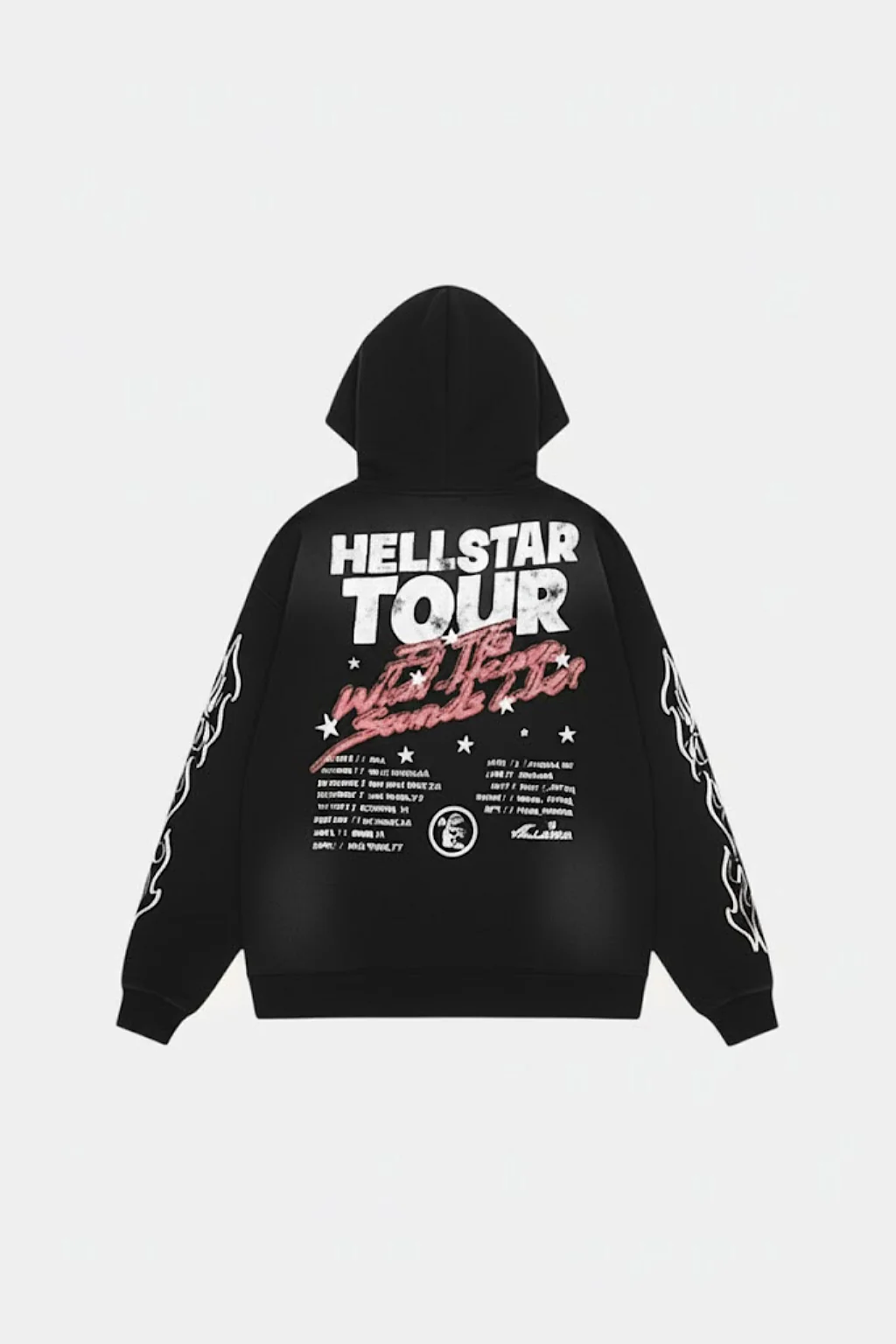
Hellstar’s themes—struggle, light vs darkness, belief vs doubt—tap into that emotional layer. That’s what turns casual buyers into fans.
Scarcity and Drop Strategy
Hellstar doesn’t release products constantly.
Instead, it uses:
- Limited drops
- Small batch production
- Irregular release timing
Scarcity creates:
- Urgency
- FOMO
- Resale demand
This is the same dynamic often discussed by Hypebeast and Highsnobiety when analyzing hype-driven streetwear cycles.
Cultural Timing and Social Proof
Hellstar rose at the right moment:
- Dark, spiritual aesthetics trending
- Streetwear blending with emotional storytelling
- Social media amplifying niche brands
- Artists and influencers wearing pieces organically
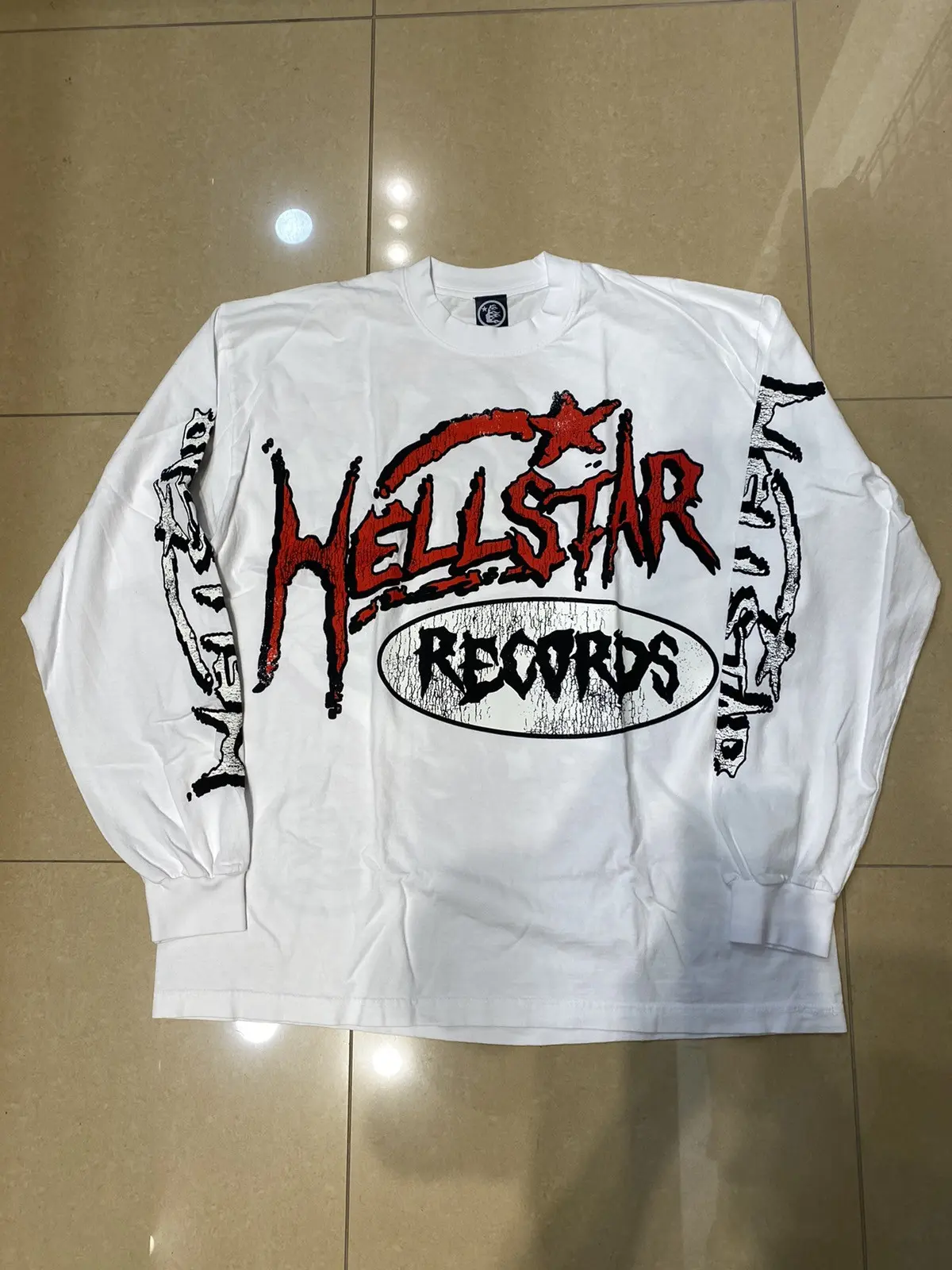
Once people see Hellstar in real-life contexts—not just ads—the brand feels “validated.”
That social proof accelerates popularity fast.
Design Language That Feels Different
You can recognize Hellstar instantly because of:
- Washed dark colorways
- Bold, symbolic graphics
- Boxy silhouettes
- Heavyweight garments
Consistency matters. When a brand looks the same across drops, it becomes recognizable—and recognizable becomes popular.
Resale Culture and Perceived Value
Resale plays a role too.
When people see Hellstar hoodies reselling above retail, it signals:
- High demand
- Limited access
- Cultural value
Even people who don’t care about resale start to see the brand as “important.”
Perception fuels popularity.
Hellstar vs Typical Streetwear Brands
| Factor | Typical Streetwear | Hellstar |
|---|---|---|
| Core appeal | Trendy | Symbolic |
| Drop frequency | Frequent | Limited |
| Brand story | Style-focused | Emotion-driven |
| Recognition | Logo | Visual language |
| Buyer motive | Look good | Express identity |
Hellstar’s popularity comes from meaning + scarcity, not just style.
Who Hellstar Is Most Popular With
Hellstar resonates most with people who:
- Use fashion as self-expression
- Like darker or spiritual aesthetics
- Follow street culture closely
- Appreciate limited pieces
If you buy basics for utility, Hellstar may feel overpriced.
If you buy clothes to express mood and identity, Hellstar clicks instantly.
FAQ
Is Hellstar popular because of celebrities?
Celebrities help visibility, but the brand’s identity keeps people interested.
Is Hellstar just hype?
There is hype—but it’s built on a consistent design language and emotional branding.
Will Hellstar stay popular?
As long as it protects scarcity and identity, popularity can last.
Conclusion
So—why is Hellstar popular?
Because it gives people more than clothes. It gives them a feeling.
In a crowded streetwear market, Hellstar stands out by being:
- Symbolic
- Scarce
- Emotionally resonant
And that combination is hard to ignore.
Internal Reference
If you’re building a streetwear brand and want to understand how identity, scarcity, and design consistency create real demand, studying this pattern helps. Explore how culture-driven streetwear brands are developed at 👉 fukiapparel
Because popularity isn’t luck. It’s strategy.