
This question comes up a lot—especially when people notice crosses, angels, and religious language in Hellstar designs:
“Is Hellstar actually a Catholic brand, or is it just using religious imagery?”
I’ve worked with streetwear branding and visual symbolism long enough to answer this clearly, without assumptions or hype.
Hellstar is not a Catholic brand.
But it does borrow heavily from religious and spiritual symbolism—and that’s where the confusion starts.
Table of Contents
- Quick Answer
- Why People Think Hellstar Is Catholic
- What Hellstar’s Imagery Really Represents
- Religion vs Symbolism in Streetwear
- Hellstar vs Faith-Based Clothing Brands
- How to Interpret Hellstar as a Buyer
- FAQ
- Conclusion
- Internal Reference
Quick Answer
No—Hellstar is not a Catholic brand.
It is a streetwear brand that uses religious imagery symbolically, not devotionally.
There is no official connection to the Catholic Church, Christian doctrine, or faith-based messaging.
The visuals are about emotion, contrast, and identity, not religion.
Why People Think Hellstar Is Catholic
The confusion is understandable.
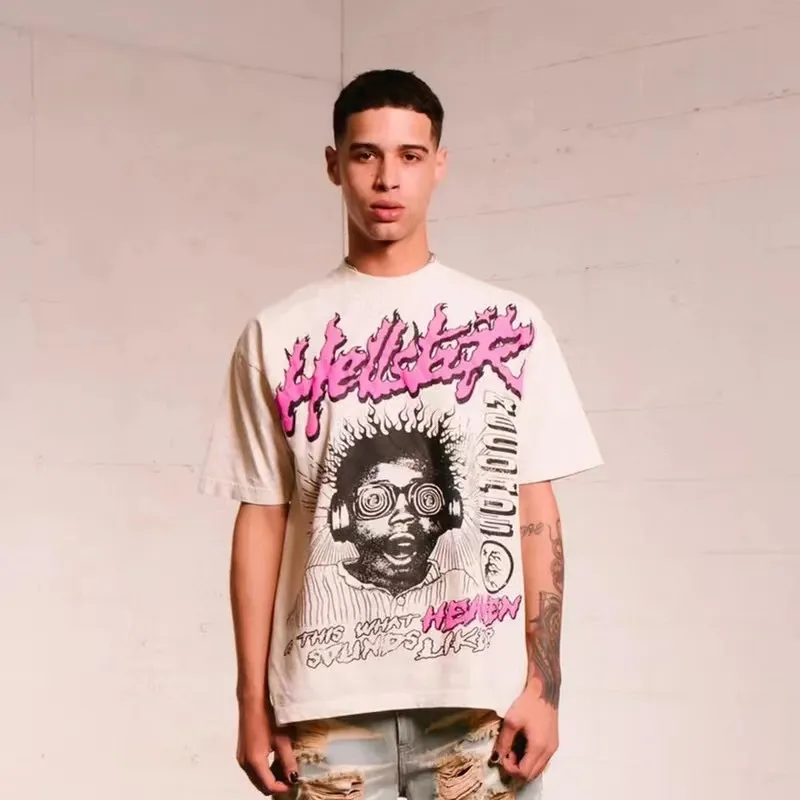
Hellstar often uses:
- Crosses
- Angels
- Heaven-and-hell language
- Biblical-style typography
- Dark spiritual themes
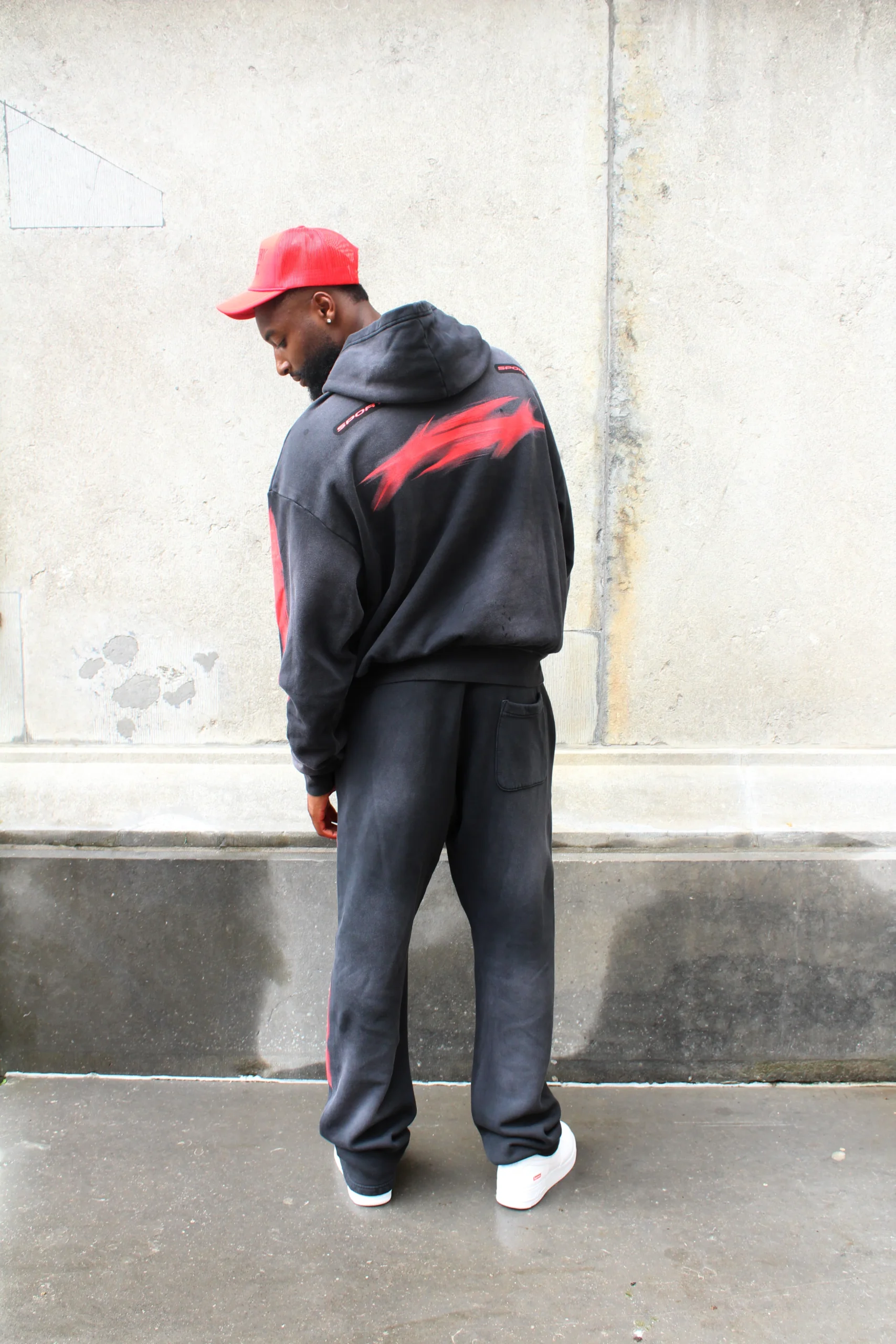
To many people, those elements immediately read as “Catholic.”
But in fashion, symbols don’t always mean belief.
What Hellstar’s Imagery Really Represents
From a brand perspective, Hellstar uses religion as visual language, not theology.
The themes usually point to:
- Inner conflict
- Good vs evil
- Life, death, and struggle
- Redemption and identity
These ideas are universal, not exclusive to Catholicism.
Hellstar’s name itself—Hellstar—signals contrast, tension, and paradox.
That’s storytelling, not worship.
Streetwear media like Hypebeast and Highsnobiety often frame Hellstar as symbol-driven streetwear, not faith-based apparel.
Religion vs Symbolism in Streetwear
This distinction matters.
| Aspect | Religious Brand | Symbolic Streetwear |
|---|---|---|
| Purpose | Faith expression | Identity & emotion |
| Imagery use | Literal | Metaphorical |
| Message | Doctrinal | Interpretive |
| Audience | Believers | Culture-driven |
| Example | Church merch | Hellstar |
Hellstar falls clearly into the symbolic category.
Hellstar vs Faith-Based Clothing Brands
Faith-based brands typically:
- Publicly state religious missions
- Avoid irony or contradiction
- Promote belief systems directly
Hellstar does none of this.
Instead, it:
- Uses contradiction (heaven + hell)
- Embraces ambiguity
- Avoids official statements of faith
- Focuses on mood and culture
That’s the opposite of religious branding.
How to Interpret Hellstar as a Buyer
Here’s how I usually explain it to buyers:
Hellstar makes sense if you:
- Appreciate dark or spiritual aesthetics
- See clothing as emotional expression
- Understand symbolism without literal meaning
It may not resonate if you:
- Prefer clear religious messaging
- Avoid spiritual imagery altogether
- Expect doctrinal alignment
Hellstar invites interpretation—it doesn’t instruct belief.
FAQ
Is Hellstar anti-religious?
No. It uses religious symbols, but not to mock or promote faith.
Is Hellstar connected to Christianity or Catholicism?
No official connection exists.
Why do so many streetwear brands use religious imagery?
Because religion provides powerful, recognizable symbols tied to emotion and identity.
Conclusion
So—is Hellstar a Catholic brand?
No. Hellstar is a symbolic streetwear brand, not a religious one.
It uses spiritual imagery to explore:
- Identity
- Conflict
- Meaning
- Cultural tension
In modern streetwear, religion often becomes language—not belief.
And Hellstar speaks that language fluently.
Internal Reference
If you’re building a brand and considering how symbolism, culture, and meaning intersect in modern streetwear, understanding this balance is essential.
Explore how culture-driven apparel brands are developed at
👉 fukiapparel
Because symbols are powerful—but only when used with intention.