
This question comes up often—especially from buyers who see PIECES everywhere in Europe and wonder:
“Is PIECES an independent fashion brand, or part of a bigger group?”
Having worked with apparel brands across different ownership models, the short answer is clear. But the reason behind that ownership structure matters just as much.
Table of Contents
- Quick Answer
- Who Owns PIECES?
- What Is the BESTSELLER Group?
- How Ownership Shapes PIECES as a Brand
- PIECES vs Independent Fashion Brands
- Who Should Buy PIECES Clothing?
- FAQ
- Conclusion
- Internal Reference
Quick Answer
PIECES is owned by the BESTSELLER Group, a large Danish fashion company.
BESTSELLER Group owns and operates PIECES alongside several well-known brands, including:
- VERO MODA
- ONLY
- JACK & JONES
- SELECTED
PIECES is not an independent designer label. Instead, it is a brand developed and scaled under a global fashion group.
Who Owns PIECES?
PIECES operates as a brand within the BESTSELLER Group, one of Europe's largest fashion companies.
You can see PIECES positioned as a contemporary women’s fashion brand on its official website:
👉 pieces
From a business standpoint, this structure means:
- Centralized ownership
- Shared sourcing and supply chain
- Global retail and e-commerce distribution
- Scaled production capacity
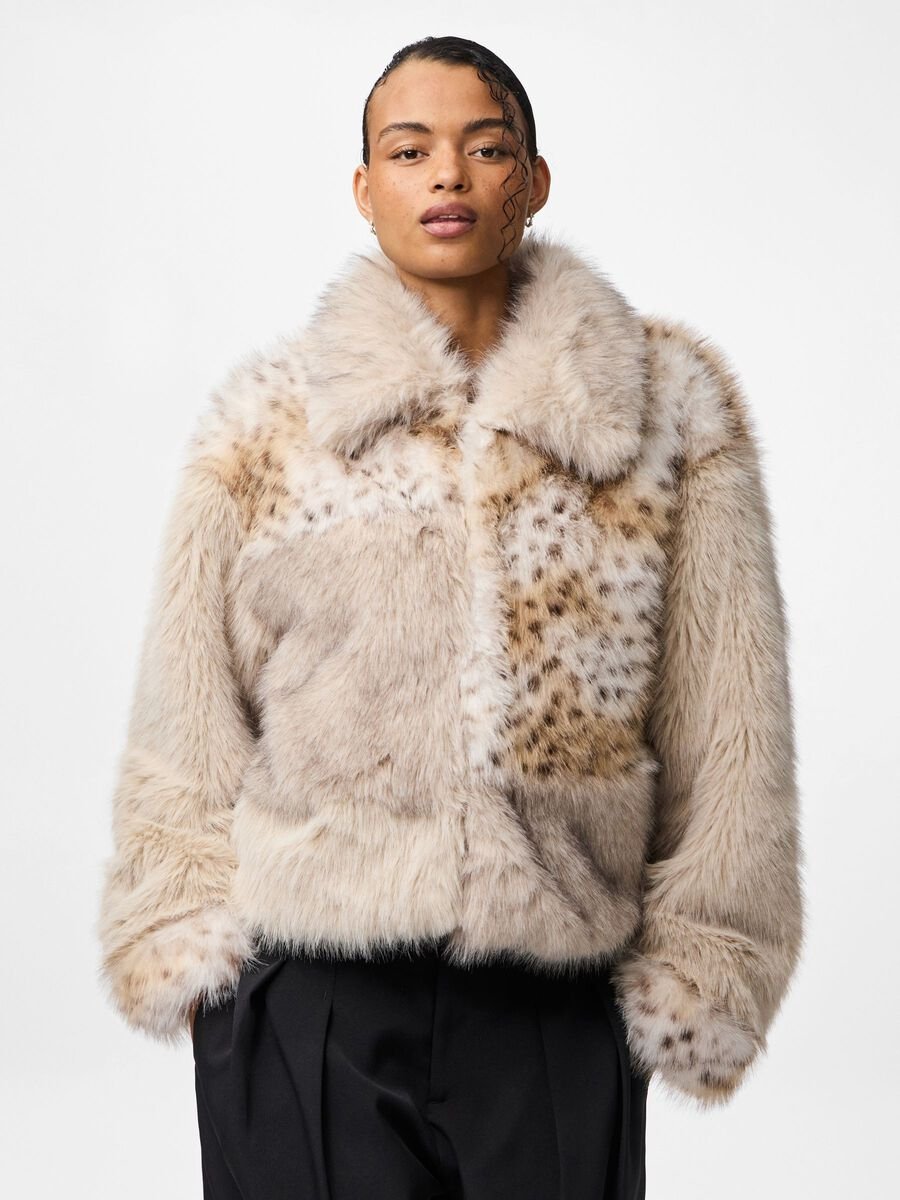
Unlike founder-led fashion labels, PIECES focuses on accessible, trend-driven womenswear rather than designer storytelling.
What Is the BESTSELLER Group?
BESTSELLER is a Danish fashion company founded in 1975.
Official corporate website:
Key Characteristics of BESTSELLER
- Global operations across Europe, Asia, and the Americas
- Multiple fashion brands under one corporate structure
- Focus on efficiency and retail scalability
- Control over design, sourcing, production, and distribution
From an industry perspective, BESTSELLER is known for commercial fashion execution, not niche artisanal positioning.
How Ownership Shapes PIECES as a Brand
Ownership directly influences how a fashion brand operates.
Because PIECES belongs to a large fashion group, it benefits from:
- Competitive pricing
- Fast trend adoption
- Wide size availability
- Consistent seasonal product drops
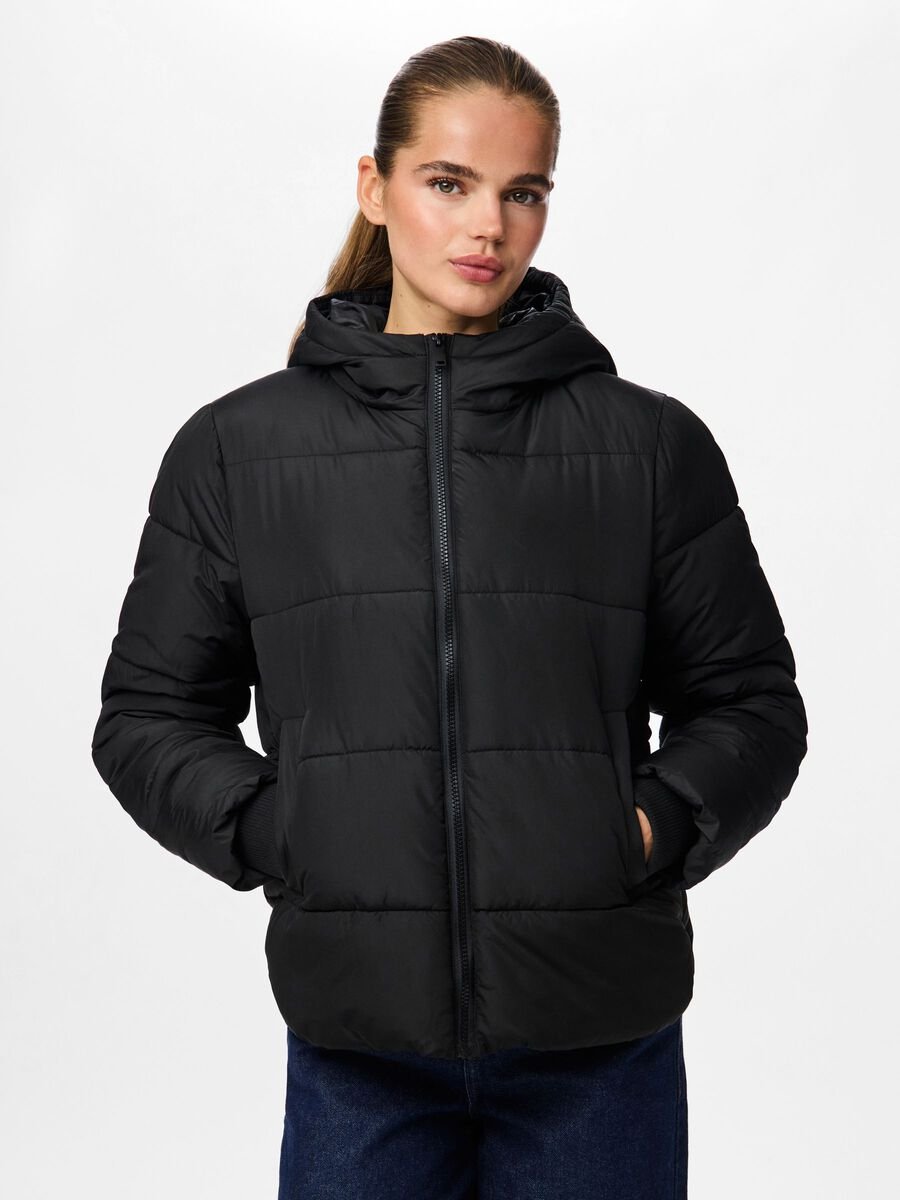
However, there are trade-offs.
PIECES is not driven by a single founder’s vision. Instead, it is built around:
- Market demand
- Trend forecasting
- Retail performance
This is not necessarily a weakness—it is simply a different strategy.
PIECES vs Independent Fashion Brands
| Aspect | PIECES | Independent Brand |
|---|---|---|
| Ownership | Corporate group | Founder-owned |
| Creative Direction | Team-led | Founder-led |
| Production Scale | Large | Small to medium |
| Pricing | Affordable | Usually higher |
| Trend Speed | Fast | Slower |
| Brand Storytelling | Limited | Strong |
PIECES is designed to serve broad retail audiences, rather than build niche fashion culture.
Who Should Buy PIECES Clothing?
PIECES Is a Good Fit If You:
- Want affordable, trend-forward womenswear
- Prefer accessible pricing
- Like seasonal fashion updates
- Shop at mainstream fashion retailers
It May Not Be Ideal If You:
- Look for strong designer storytelling
- Prefer limited-edition collections
- Collect fashion pieces long-term
Understanding a brand’s ownership helps set the right expectations.
FAQ
Is PIECES a luxury brand?
No. PIECES is a mass-market fashion brand.
Is PIECES owned by H&M or Zara?
No. PIECES belongs to the BESTSELLER Group, not H&M Group or Inditex.
Does PIECES design its own clothing?
Yes, but design decisions are made within a corporate structure and shared supply chain.
Conclusion
So—who owns PIECES clothing brand?
PIECES is owned by the BESTSELLER Group, a Danish fashion company with a global retail presence.
This ownership explains why PIECES is:
- Widely available
- Trend-responsive
- Affordable
- Consistent season after season
PIECES is not built around founder identity or cultural storytelling. Instead, it focuses on efficient, accessible fashion at scale.
Once you understand the ownership structure, the brand’s strategy becomes clear.
Internal Reference
If you’re building your own clothing brand and deciding whether to grow independently or scale through structured manufacturing and sourcing, explore modern apparel production here: