
When people ask me “What’s the history behind Denim Tears pants?” they’re usually looking for more than dates.
They want to know why these pants matter—and how they became cultural artifacts instead of just denim.
I work closely with apparel development and brand storytelling, and here’s the short truth up front:
Denim Tears pants didn’t evolve from fashion trends. They evolved from history, memory, and intention.
Table of Contents
- Quick Answer
- The Origins of Denim Tears
- Why Pants Became Central to the Brand
- Key Moments in the History of Denim Tears Pants
- How Denim Tears Pants Differ From Traditional Denim History
- Why the History Still Matters Today
- FAQ
- Conclusion
- Internal Reference
Quick Answer
The history of Denim Tears pants is rooted in:
- Black American history and labor
- Reclaiming cotton and denim symbolism
- Small, intentional product releases
- Using pants as storytelling tools
They weren’t designed to follow denim trends.
They were designed to carry meaning on the body.
The Origins of Denim Tears
:contentReference[oaicite:0]{index=0} was founded by Tremaine Emory as a cultural project—not a conventional fashion label.
From the beginning, the goal was clear:
- Use clothing to tell overlooked histories
- Address America’s relationship with cotton, labor, and race
- Create garments that remember, not just sell
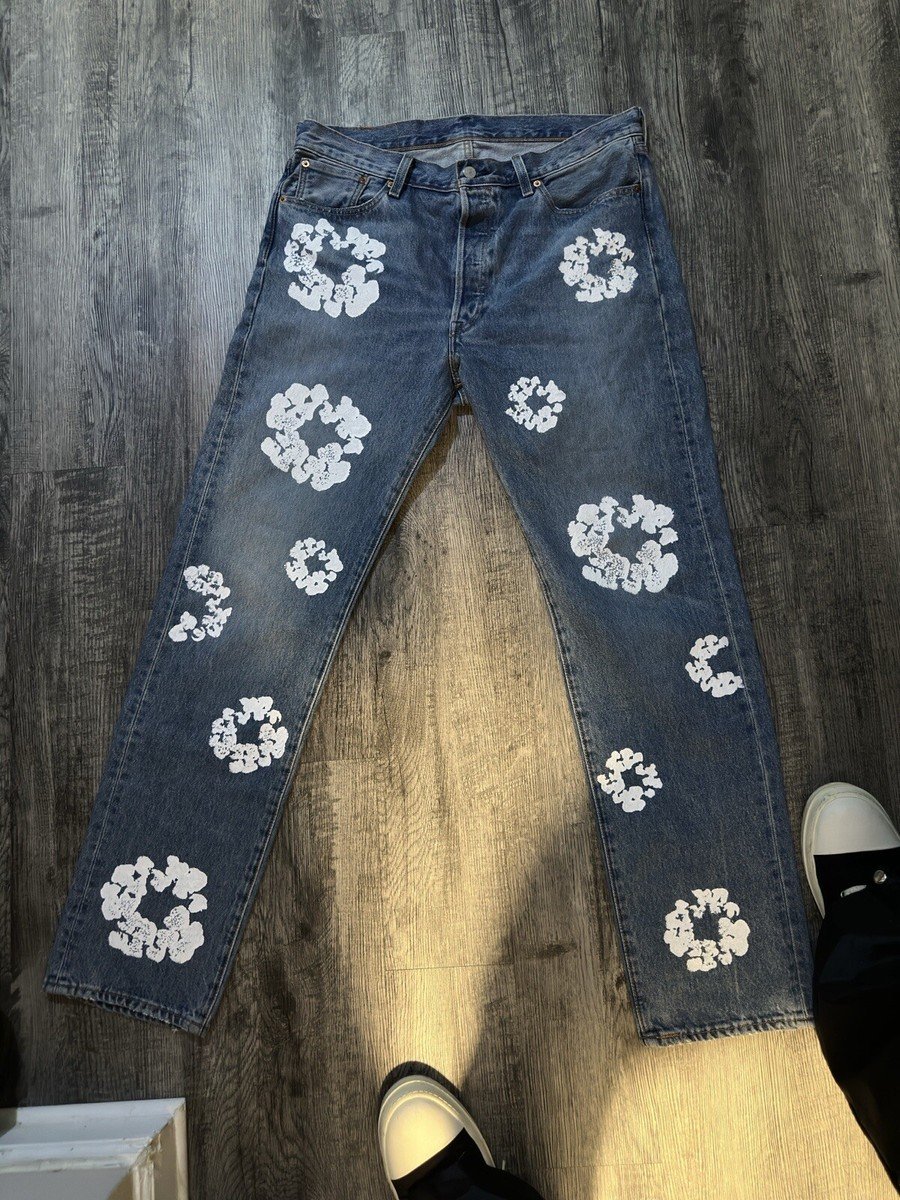
That philosophy shaped every category—but pants became especially important.
Why Pants Became Central to the Brand
From a historical perspective, pants—especially denim—carry heavy symbolism:
- Worn by laborers and enslaved people
- Central to American industrial growth
- Associated with work, endurance, and survival
Denim Tears chose pants because they sit closest to that history.
Unlike graphic tees or accessories, pants are:
- Functional
- Physical
- Tied to movement and labor
That makes them a powerful storytelling medium.
Key Moments in the History of Denim Tears Pants
Early Narrative-Driven Releases
In its early stages, Denim Tears released pants quietly and selectively.
Characteristics included:
- Traditional denim silhouettes
- Vintage-inspired washes
- Minimal branding
The focus was on context, not attention.
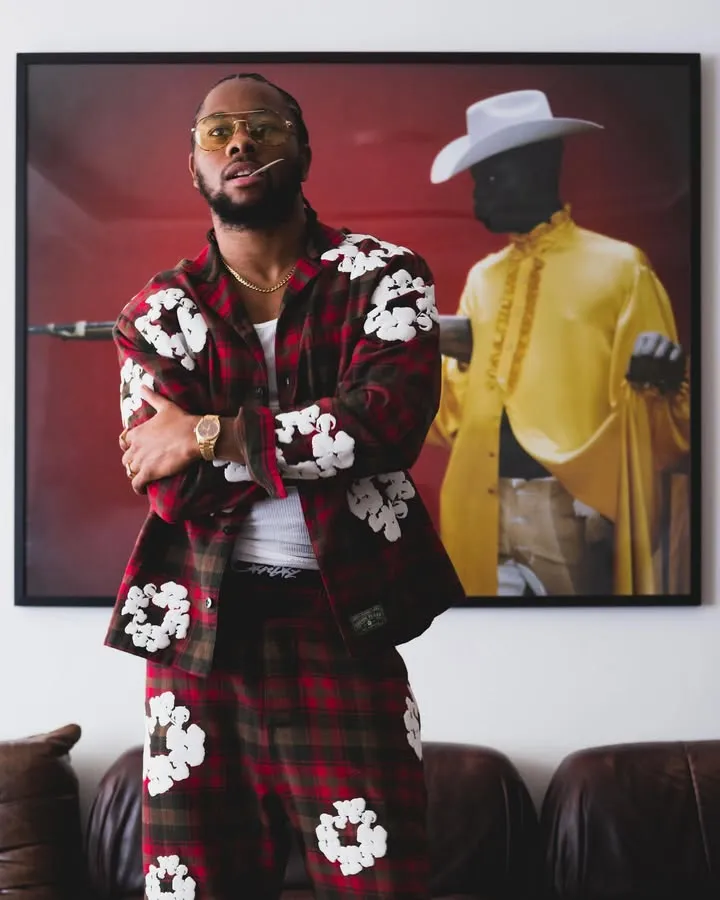
Fashion platforms like Hypebeast and Highsnobiety began identifying the brand as cultural fashion rather than hype-driven streetwear.
The Cotton Wreath Era
This is the defining chapter.
The cotton wreath pattern:
- Reframed cotton as a historical symbol
- Connected denim directly to slavery and labor
- Turned pants into a visual statement
Once this design appeared on pants, Denim Tears denim became instantly recognizable—and deeply discussed.
This wasn’t decoration.
It was historical commentary you could wear.
From Streetwear to Cultural Reference
Over time, Denim Tears pants transitioned from:
- Niche releases → collector items
- Streetwear pieces → museum-level fashion conversations
They began appearing in:
- Editorial shoots
- Cultural exhibitions
- Academic and fashion discussions
At this point, the pants weren’t just clothing—they were references.
How Denim Tears Pants Differ From Traditional Denim History
| Aspect | Traditional Denim Brands | Denim Tears |
|---|---|---|
| Historical framing | Often ignored | Central focus |
| Use of cotton | Material only | Symbol |
| Production goal | Scale & sales | Meaning & restraint |
| Design evolution | Trend-based | Narrative-based |
| Longevity | Seasonal | Archival |
Most denim brands build history over time.
Denim Tears started with history.
Why the History Still Matters Today
This history explains why:
- Prices remain high
- Production stays limited
- Styles don’t change drastically
- Resale value holds
The pants aren’t updated every season because history doesn’t reset every season.
From a brand strategy standpoint, that consistency builds trust and long-term relevance.
FAQ
When were Denim Tears pants first released?
Exact dates vary, but pants have been part of the brand since its early narrative-driven releases.
Are all Denim Tears pants historically themed?
Yes. Even subtle designs tie back to the brand’s core message.
Is the history the same for every release?
The theme is consistent, but each release adds a new layer of context.
Conclusion
The history of Denim Tears pants isn’t about fashion cycles.
It’s about:
- Remembering labor
- Reclaiming symbols
- Using denim as a cultural document
That’s why these pants don’t age like trends.
They age like archives.
Internal Reference
If you’re building a brand and want your products to carry history, meaning, and long-term relevance—not just seasonal appeal—learn how narrative-driven apparel is developed at
👉 fukiapparel
Because the strongest products don’t just sell.
They remember.
