
Helmut Lang doesn’t attract the same crowd as logo-heavy luxury brands.
In my experience working with fashion buyers and brand founders, Helmut Lang customers are usually people who value design over status. They don’t want to “look rich.” They want to look intentional.
This article breaks down who actually buys Helmut Lang, why they choose it, and whether this audience matches your own brand positioning.
Table of Contents
- The Core Helmut Lang Customer
- Buyer Segments by Lifestyle
- What These Buyers Care About
- Helmut Lang vs Other Minimalist Brands
- Is Helmut Lang Right for You?
- FAQ
The Core Helmut Lang Customer
Most Helmut Lang buyers fall into three broad groups:
| Buyer Type | Age Range | What They Look For |
|---|---|---|
| Creative Professionals | 25–40 | Clean lines, identity, non-trendy pieces |
| Urban Minimalists | 30–45 | Wardrobe efficiency, neutral palettes |
| Fashion Insiders | 20–35 | Heritage, archive value, cult status |
They are typically:
- Designers, architects, photographers
- Founders and startup operators
- Art-school students and stylists
- People living in NYC, Berlin, Tokyo, London
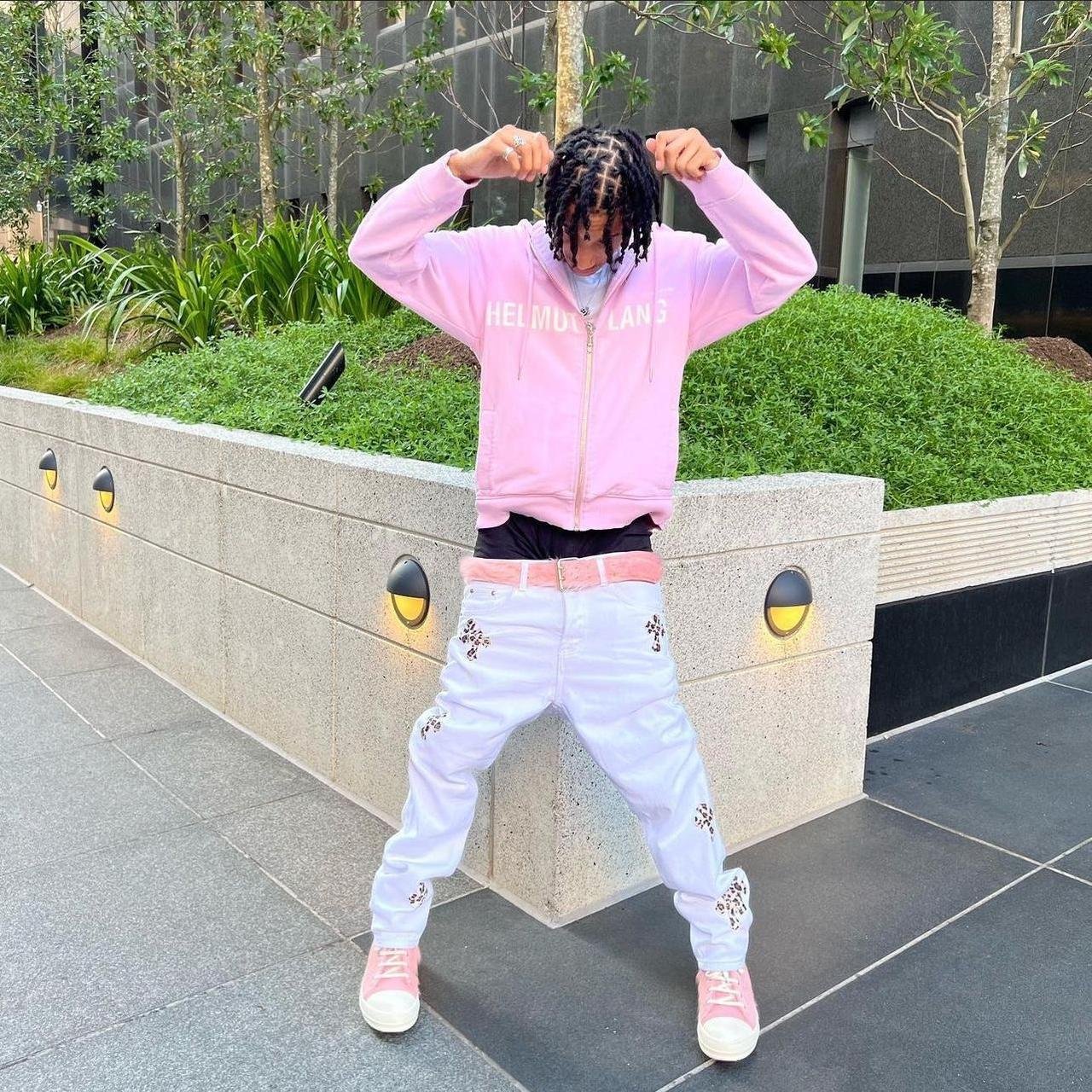
They buy fewer pieces—but they buy with intention.
Buyer Segments by Lifestyle
1. The “Quiet Creative”
- Works in design, media, or tech
- Wants to look sharp without screaming “luxury”
- Buys Helmut Lang for jackets, tailoring, and monochrome basics
2. The Minimalist Urban Professional
- Lives in major cities
- Prefers neutral wardrobes
- Uses Helmut Lang as a “uniform” brand
3. The Fashion-Forward Youth
- Follows Rick Owens, Raf Simons, Margiela
- Sees Helmut Lang as cultural heritage
- Buys archive-inspired silhouettes
These buyers often cross-shop with brands like:
- Rick Owens
- Margiela
- Lemaire
- Acne Studios
- Our Legacy
What These Buyers Care About
Helmut Lang buyers value:
- Design integrity – no over-branding
- Structure & fit – garments feel “engineered”
- Longevity – pieces last for years
- Cultural meaning – not just trends
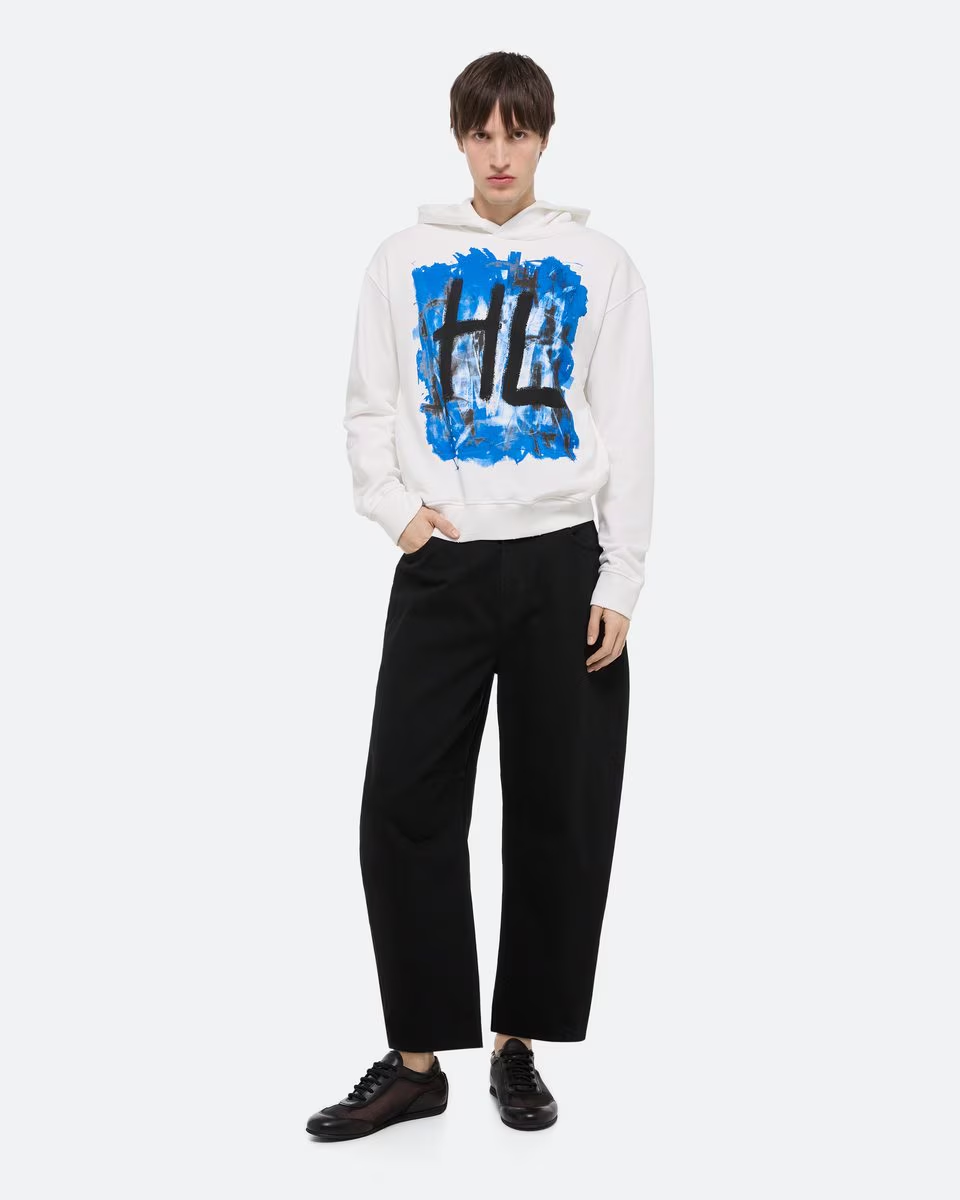
This is why many DTC brands now try to replicate this tone.
When founders ask me how to build a “quiet luxury” brand, I often point them to manufacturers like fukiapparel who specialize in minimal silhouettes and premium construction without luxury markup.
Helmut Lang vs Other Minimalist Brands
| Brand | Style Direction | Buyer Mindset |
|---|---|---|
| Helmut Lang | Sharp, industrial, modern | Identity-driven, creative |
| Lemaire | Soft, Parisian minimal | Lifestyle elegance |
| COS | Commercial minimalism | Office-ready basics |
| Our Legacy | Youth culture minimalism | Trend-aware fashion crowd |
Helmut Lang sits between art and utility.
That’s why its buyers often say:
“I don’t want to look fashionable. I want to look right.”
Is Helmut Lang Right for You?
You’ll likely love Helmut Lang if you:
- Hate visible logos
- Want a neutral, modular wardrobe
- Care more about silhouette than trend
- Prefer identity over hype
It’s not for people who:
- Want flashy branding
- Follow TikTok trends
- Rotate wardrobes every season
FAQ
Is Helmut Lang for men or women?
Both. The brand appeals strongly to people who prefer androgynous or unisex aesthetics.
Is Helmut Lang a luxury brand?
Yes—but in a quiet way. It’s positioned as intellectual luxury, not status luxury.
Why do creatives love Helmut Lang?
Because it aligns with how they see themselves: precise, thoughtful, independent.
Can startups copy this style?
Yes—but only if the brand DNA is authentic. Many founders use partners like fukiapparel to build minimal collections with premium structure and no visual noise.
Helmut Lang isn’t about being seen.
It’s about being understood.
That’s why its buyers stay loyal—and why the brand still matters today.
