
I’ve been working with denim factories and private-label brands for years.
When buyers ask me:
“Is Diesel actually a luxury brand?”
They’re usually confused by two things:
- Diesel is priced much higher than mall brands
- But it’s still more accessible than Gucci or Prada
The honest answer is:
Diesel is not a traditional luxury house—but it is a fashion-luxury denim brand.
It lives between premium denim and runway fashion.
That “in-between” position is exactly what makes Diesel unique.
Table of Contents
- Quick Answer
- What “Luxury” Really Means
- Where Diesel Sits in Fashion
- Why Diesel Feels Like Luxury
- Diesel vs True Luxury Houses
- Who Diesel Is For
- FAQ
- Internal Reference
Quick Answer
Diesel is a fashion-luxury denim brand:
- More premium than Levi’s or H&M
- Less formal than Gucci or Prada
- Positioned as street-luxury
It offers:
- Custom-developed denim
- Multi-stage wash processes
- Fashion-driven silhouettes
- Strong global brand identity
You can see how Diesel positions itself at Diesel.
Diesel doesn’t sell basics—it sells attitude through fabric.
What “Luxury” Really Means
In fashion, “luxury” is not only about price.
It usually includes:
- Design authority
- Brand storytelling
- Cultural influence
- Emotional value
- Controlled positioning
By that definition, Diesel checks many boxes:
- It sets trends in denim
- It invests heavily in R&D
- It builds strong seasonal identity
- It’s worn as a statement
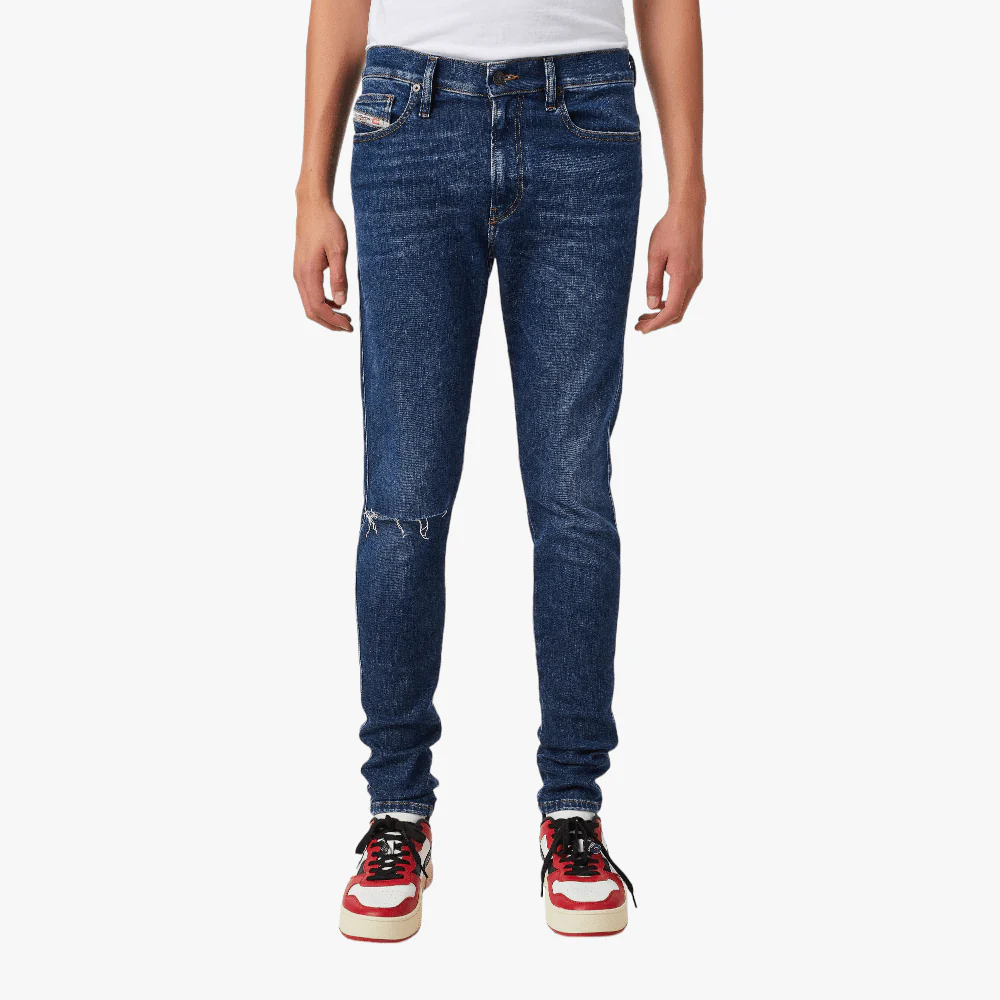
That’s why Diesel jeans cost $150–$350+, not $40.
Where Diesel Sits in Fashion
| Category | Examples | Role |
|---|---|---|
| Mass Fashion | H&M, Uniqlo | Utility |
| Premium Denim | Nudie, AG, Frame | Quality-focused |
| Fashion Denim | Diesel, Acne Studios | Identity-driven |
| Luxury Houses | Gucci, Prada, Balenciaga | Full lifestyle luxury |
Diesel belongs in Fashion Denim.
It’s closer in attitude to Balenciaga than to mall brands.
Why Diesel Feels Like Luxury
From a production view, Diesel:
- Uses custom fabrics
- Applies 4–6 wash stages
- Requires hand-finishing
- Experiments with silhouette
From a consumer view, Diesel offers:
- Visual impact
- Cultural relevance
- Global recognition
- Emotional value
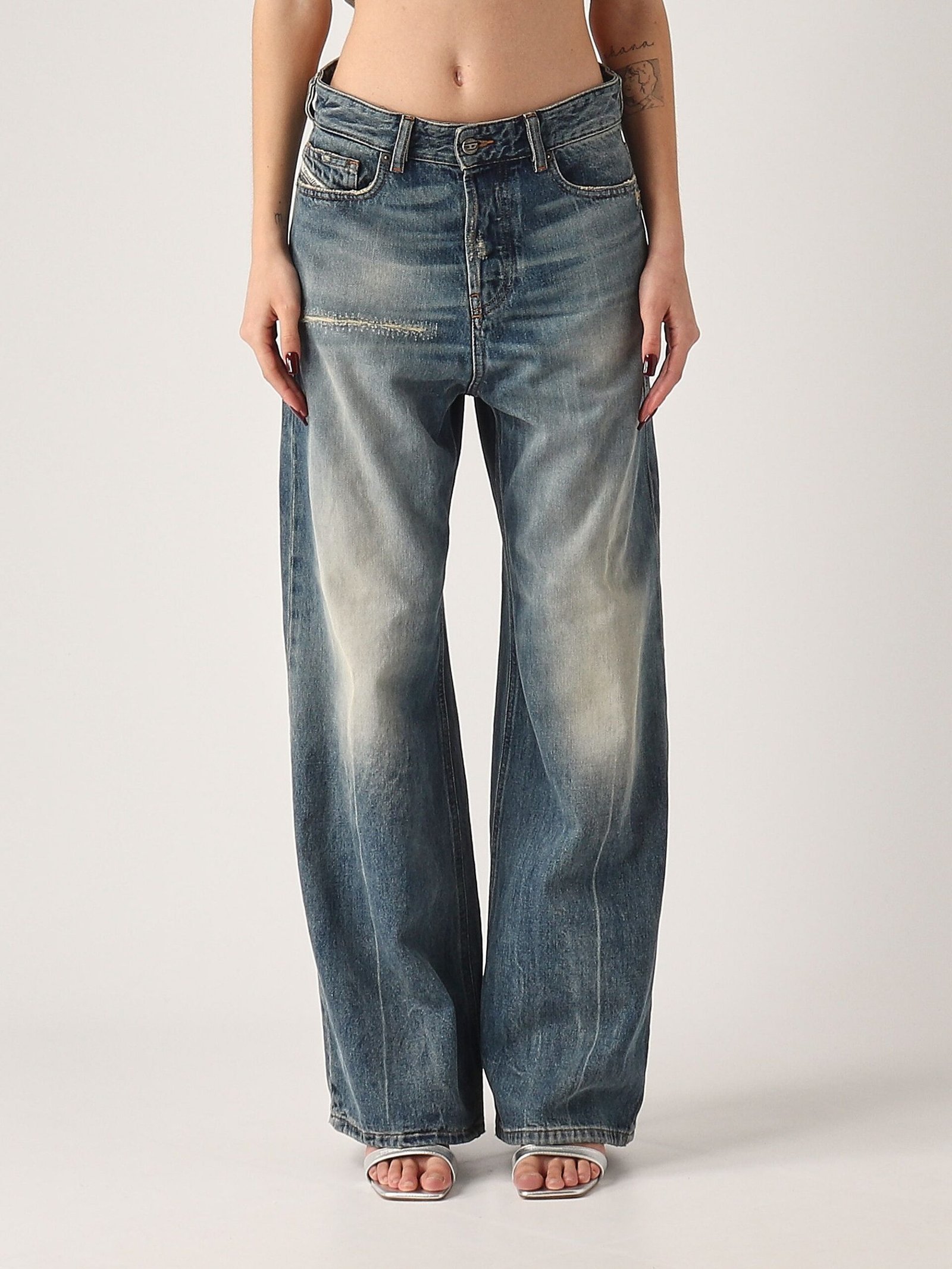
Luxury is about how something makes you feel.
Diesel makes denim feel expressive—not basic.
Diesel vs True Luxury Houses
| Aspect | Diesel | Traditional Luxury |
|---|---|---|
| Core Product | Denim & casual wear | Full lifestyle (bags, RTW) |
| Tone | Street-driven | Formal & heritage-driven |
| Price Range | $150–$400 | $600–$3,000+ |
| Accessibility | Higher | Lower |
| Fashion Role | Youth & street culture | Status & exclusivity |
Diesel is luxury in spirit, not in hierarchy.
It democratizes fashion expression.
Who Diesel Is For
Diesel is right for you if you:
- Value identity over formality
- Treat denim as fashion
- Like bold design
- Live in urban culture
- Want premium without stiffness
Diesel may not suit you if you:
- Prefer quiet luxury
- Only wear basics
- Avoid visible design
- Buy for price first
Diesel is luxury for people who move, not pose.
FAQ
Is Diesel considered a designer brand?
Yes—within the denim and street-fashion category.
Is Diesel better than Levi’s?
They serve different goals: Levi’s is heritage; Diesel is fashion.
Why does Diesel cost more than most jeans?
Because of fabric R&D, complex washing, and fashion positioning.
Internal Reference
If you’re building a clothing brand, Diesel proves that wash development + identity can create luxury value.
We help brands build premium denim lines at fukiapparel.