
The first time I handled a pair of Diesel jeans in a wash room, I understood why people talk about them differently.
They didn’t feel like “just denim.” They felt engineered.
After working with dozens of denim mills and factories, I can say this clearly:
Diesel jeans are special because they treat denim as fashion technology—not basic clothing.
They combine fabric science, aggressive wash development, and bold identity into something most jeans never attempt.
Table of Contents
- Quick Answer
- Diesel Treats Denim Like Design
- Fabric Innovation
- Wash & Finish Mastery
- Signature Fits & Silhouettes
- Diesel vs Regular Jeans
- Who Diesel Jeans Are For
- FAQ
- Internal Reference
Quick Answer
Diesel jeans are special because they offer:
- Custom-developed denim fabrics
- Multi-stage, high-cost wash processes
- Fashion-forward silhouettes
- Strong visual identity
- Consistent brand attitude
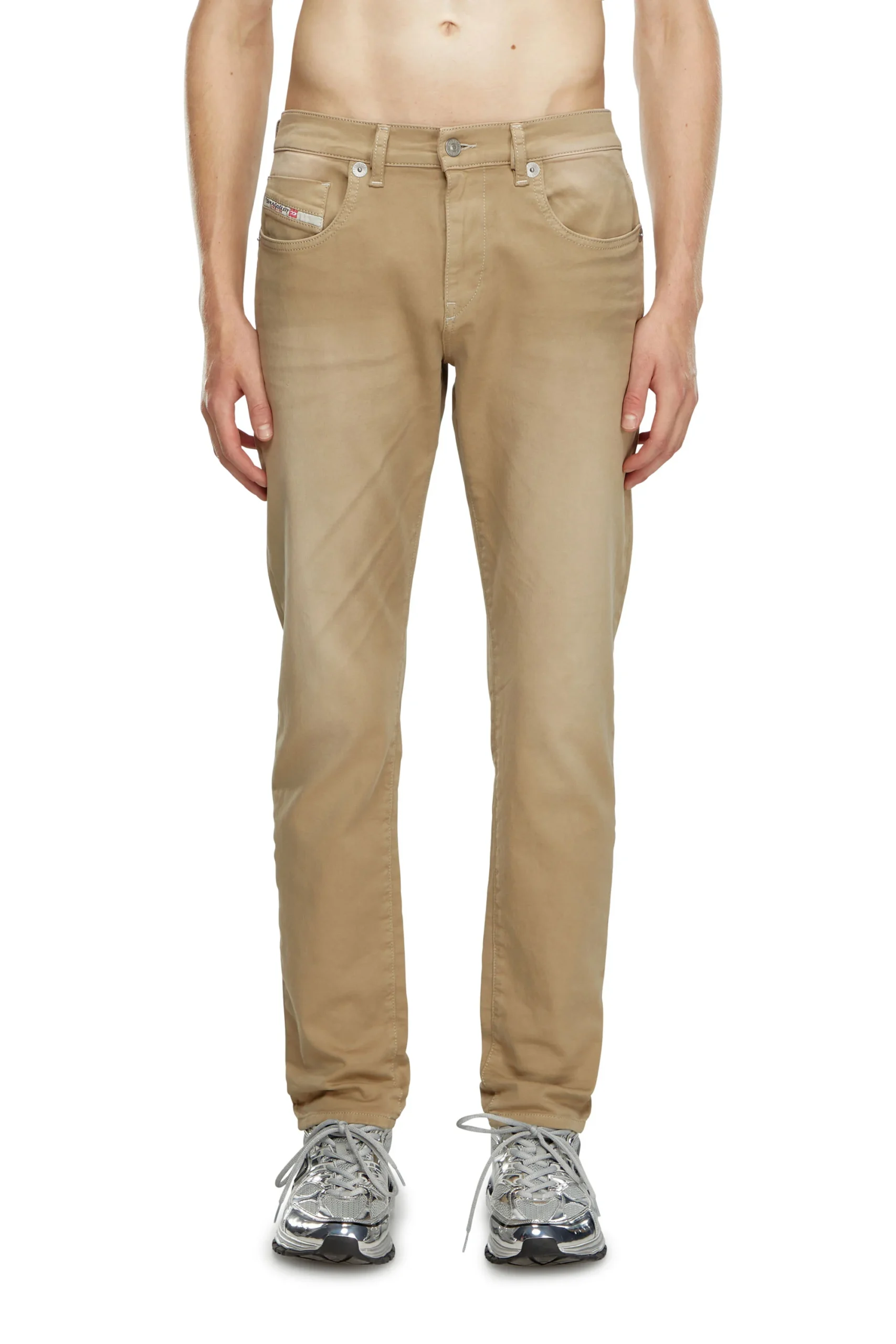
Diesel doesn’t just make jeans—it designs experiences in denim.
You can see their latest collections on Diesel.
Diesel Treats Denim Like Design
Most jeans brands think like this:
“How do we make this cheaper?”
Diesel thinks like this:
“How do we make this different?”
From a production standpoint, that changes everything:
- More sampling rounds
- More wash tests
- More failed experiments
- More hand-finishing
Each pair goes through a design process similar to a jacket or runway piece.
That’s rare in denim.
Fabric Innovation
Diesel doesn’t rely on off-the-shelf denim.
They work with mills to develop:
- High-density cotton blends
- Stretch denim with better recovery
- Coated and treated surfaces
- Recycled and experimental fibers
This results in jeans that:
- Hold shape better
- Feel structured
- React differently to washing
- Age with character
From a factory perspective, these fabrics cost more—and behave differently during production.
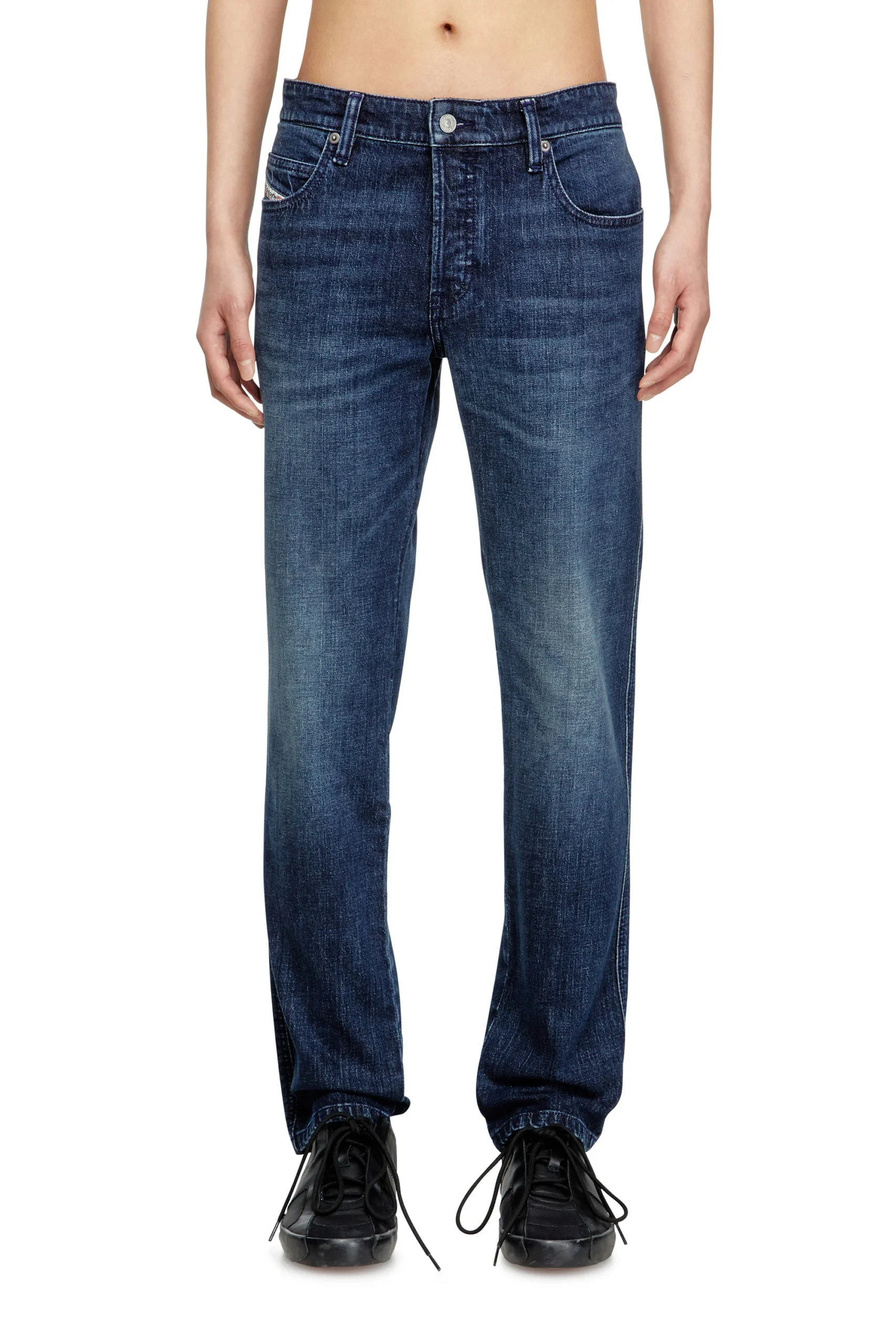
That’s part of what you’re paying for.
Wash & Finish Mastery
This is where Diesel becomes unmistakable.
A standard jean might use:
- 1 wash
- 1 drying cycle
- No hand work
A Diesel jean may involve:
- Enzyme wash
- Stone wash
- Resin treatment
- Laser distressing
- Hand sanding
- Ozone finishing
That can mean 5–6 processes for one pair.
Each stage:
- Adds depth
- Creates texture
- Shapes the silhouette
- Raises production cost
That’s why two jeans that “look similar” can feel completely different.
Signature Fits & Silhouettes
Diesel doesn’t chase “safe” fits.
They experiment with:
- Low-rise cuts
- Sculpted hips
- Extreme flares
- Sharp tapers
- Fashion-driven proportions
Their jeans are meant to:
- Change your silhouette
- Communicate attitude
- Be noticed
They’re not neutral.
They’re expressive.
Diesel vs Regular Jeans
| Feature | Regular Jeans | Diesel Jeans |
|---|---|---|
| Fabric | Standard denim | Custom-developed |
| Wash Process | 1–2 stages | 4–6 stages |
| Design Focus | Utility | Fashion & identity |
| Fit Innovation | Minimal | Experimental |
| Visual Impact | Neutral | Bold |
| Price Range | $30–$80 | $150–$350+ |
They serve different purposes.
Regular jeans are for function.
Diesel jeans are for expression.
Who Diesel Jeans Are For
Diesel is right for you if:
- You treat denim as part of your identity
- You care about wash detail
- You like bold silhouettes
- You wear jeans as statements
- You value design over price
Diesel may not suit you if:
- You only need basics
- You prefer minimal styles
- You replace jeans often
- You buy for utility first
Diesel is for people who feel fashion.
FAQ
Are Diesel jeans better quality?
They often use better fabrics and more complex construction, especially in wash and finish.
Do Diesel jeans last longer?
With proper care, yes—especially their premium lines.
Are Diesel jeans worth it?
If you value design and identity, yes. If you just need basics, no.
Internal Reference
If you’re building a denim brand, Diesel shows how wash development and identity create value.
We help brands create premium denim lines at fukiapparel.