
If you searched “Who is the main designer for Balenciaga?”, you’re probably trying to understand who actually shapes the look, tone, and direction of one of the world’s most talked-about fashion houses.
From my experience working around fashion brands and production teams, this question matters more than people think.
A brand’s “main designer” isn’t just a name—it’s the person who decides:
- what the clothes look like
- how the brand speaks
- which trends it leads (or breaks)
- and how far it can push culture
Let’s answer this clearly and simply.
Table of Contents
- Quick Answer
- What Does “Main Designer” Mean at a Fashion House?
- Who Leads Balenciaga Today?
- Who Is Demna?
- How Demna Changed Balenciaga
- Balenciaga Before vs After Demna
- Why the Main Designer Matters
- FAQ
- Conclusion
- Internal Reference
Quick Answer
The main designer for Balenciaga is Demna (formerly known as Demna Gvasalia).
He serves as the brand’s Creative Director—the highest creative role in the house.
Official brand site:
Balenciaga
Demna is the person responsible for Balenciaga’s:
- silhouettes
- runway shows
- cultural tone
- controversial campaigns
- streetwear-meets-luxury aesthetic
What Does “Main Designer” Mean at a Fashion House?
In major fashion brands, the “main designer” is usually titled:
- Creative Director
- Artistic Director
This role controls:
- every collection
- every major design decision
- brand storytelling
- collaborations
- visual identity
From my experience, this person is effectively the architect of the brand’s future.
Who Leads Balenciaga Today?
Balenciaga’s creative leadership is held by:
Demna
(Full name: Demna Gvasalia)
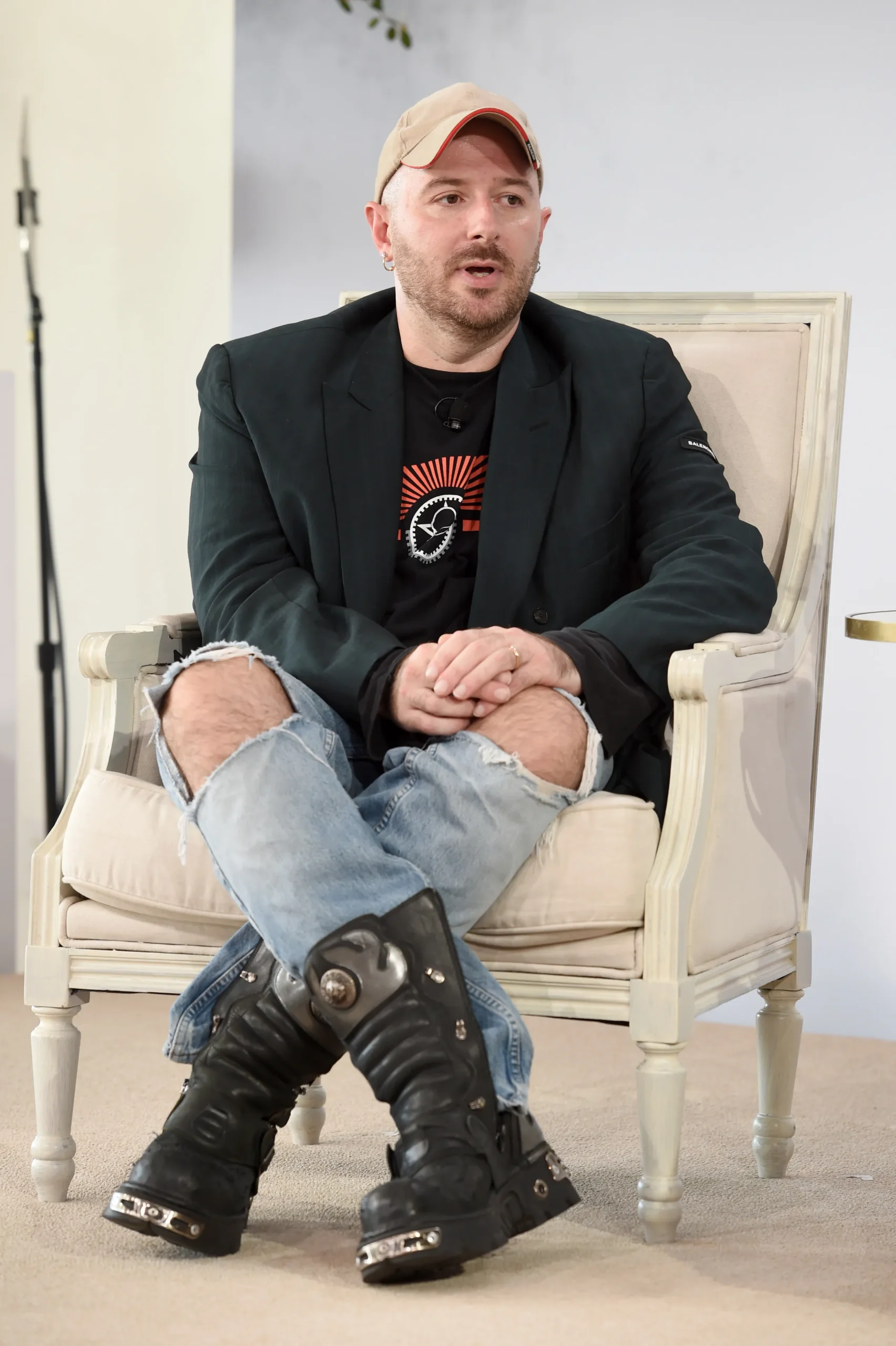
He has led Balenciaga since 2015.
Balenciaga is owned by Kering (a luxury group),
but Demna controls the creative direction.
This is important—ownership handles business,
the designer controls culture.
Who Is Demna?
Demna is:
- a Georgian-born designer
- co-founder of Vetements
- known for anti-fashion aesthetics
- famous for redefining luxury through street culture
He became known for:
- oversized silhouettes
- ironic luxury
- everyday objects turned “fashion”
- blending subculture with runway
From my perspective, Demna doesn’t just design clothes—
he designs conversation.
How Demna Changed Balenciaga
Before Demna, Balenciaga was:
- architectural
- couture-focused
- heritage-driven
Under Demna, it became:
- street-driven
- cultural
- viral
- disruptive
Key changes include:
- sneakers becoming luxury icons
- hoodies on couture runways
- meme culture entering high fashion
- fashion shows becoming cultural events
Balenciaga Before vs After Demna
| Aspect | Before Demna | With Demna |
|---|---|---|
| Style | Couture & structure | Street & disruption |
| Audience | Traditional luxury | Youth & culture |
| Silhouettes | Tailored | Oversized |
| Impact | Elegant | Controversial |
| Role | Fashion house | Cultural force |
Why the Main Designer Matters
The main designer decides:
- whether a brand feels safe or bold
- whether it follows trends or creates them
- whether it fades or defines a generation
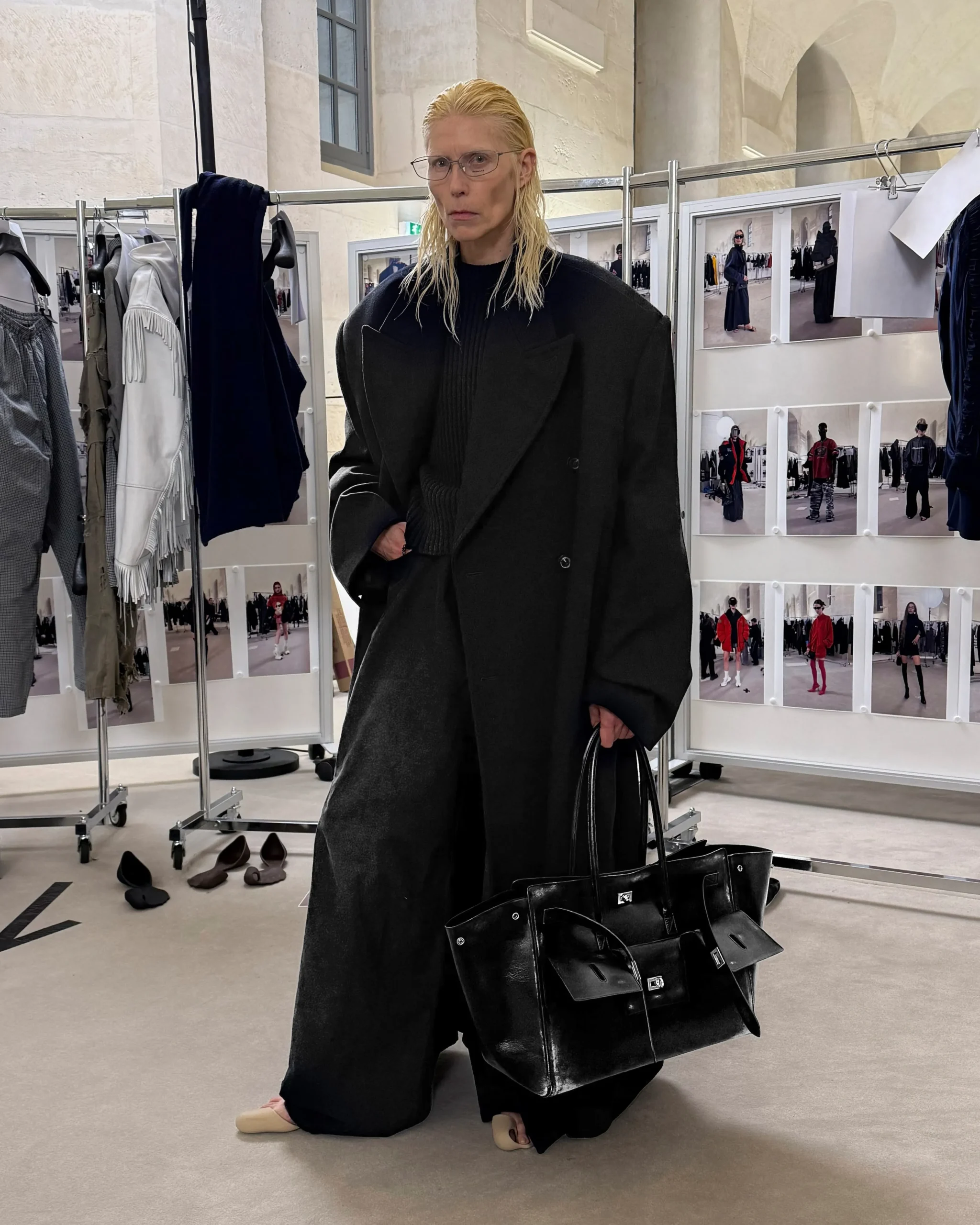
If Demna left tomorrow, Balenciaga would change again.
That’s how powerful this role is.
FAQ
Is Demna the founder of Balenciaga?
No. Balenciaga was founded by Cristóbal Balenciaga in 1919.
Is Demna still in charge?
Yes. He remains Balenciaga’s Creative Director.
Does Kering design the clothes?
No. Kering owns the brand, but Demna controls design.
Why is Balenciaga so controversial?
Because Demna pushes boundaries and challenges what “luxury” means.
Conclusion
So, who is the main designer for Balenciaga?
It’s Demna—the creative force who transformed Balenciaga into one of the most disruptive fashion brands in the world.
From my experience, brands don’t become cultural icons by accident.
They become icons because one designer dares to rewrite the rules.
Demna is that designer for Balenciaga.
Internal Reference
If you’re interested in how high-fashion ideas translate into real production and streetwear development, explore fukiapparel for insights into custom fashion manufacturing and brand building.