
If you’ve ever asked “What is the Jordan brand?”, you’re probably trying to understand why a sneaker line became a global culture.
From my experience working around fashion and streetwear manufacturing, Jordan isn’t just a shoe label.
It’s one of the few brands that successfully transformed sports performance into lifestyle identity.
This article explains what the Jordan Brand really is, how it started, and why it still matters decades later.
Table of Contents
- Quick Answer
- Where the Jordan Brand Comes From
- What the Jordan Brand Actually Represents
- How Jordan Became a Lifestyle Brand
- Jordan Brand vs Other Sportswear Brands
- Who the Jordan Brand Is For
- FAQ
- Conclusion
- Internal Reference
Quick Answer
The Jordan Brand is a sportswear and lifestyle brand created by Nike around basketball legend Michael Jordan.
It started as a performance basketball shoe line and evolved into a global symbol of:
- excellence
- confidence
- street culture
- personal identity
Today, Jordan represents far more than basketball—it represents status through story.
Where the Jordan Brand Comes From
The Jordan Brand began in 1984 when Nike signed rookie Michael Jordan.
At the time:
- Nike wasn’t dominant in basketball
- Michael Jordan was unproven
- No athlete had a true signature brand
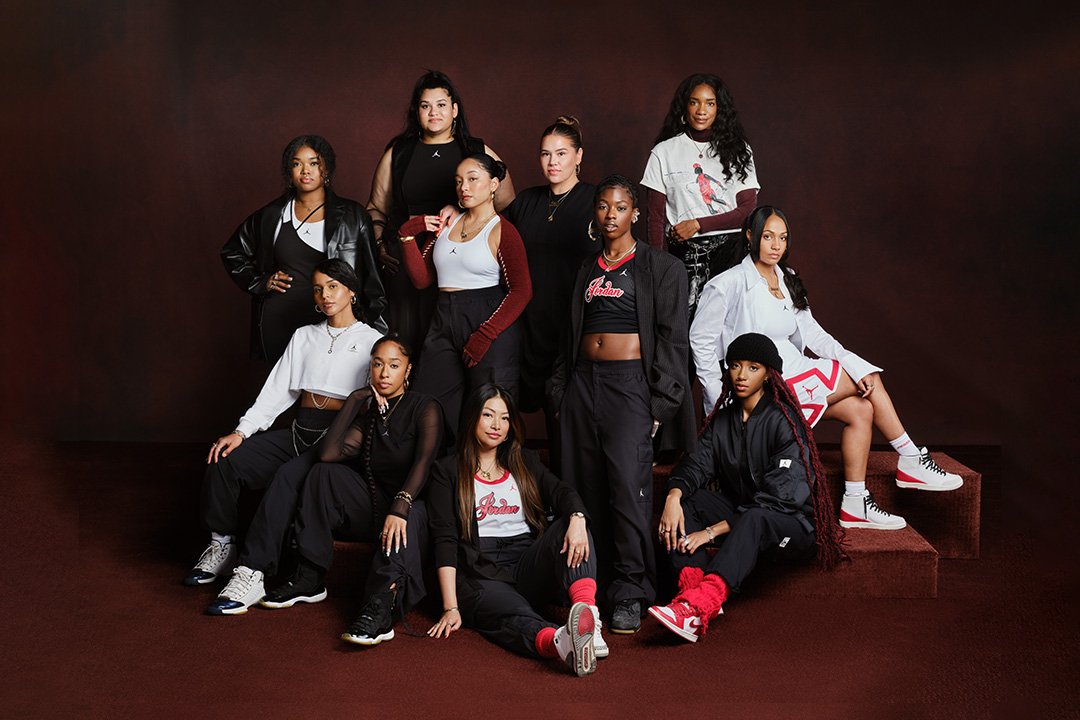
The first Air Jordan broke NBA uniform rules—and instantly gained attention.
From my perspective, this wasn’t just product success.
It was the birth of athlete-driven branding.
You can explore the brand’s official presence here:
Jordan Brand
What the Jordan Brand Actually Represents
Jordan is built on three layers:
- Performance – rooted in basketball excellence
- Myth – Michael Jordan’s career and persona
- Culture – streetwear, music, and self-expression
Unlike most sports brands, Jordan sells:
- aspiration
- confidence
- legacy
From my experience, people don’t just wear Jordans.
They signal something about themselves.
How Jordan Became a Lifestyle Brand
This section explains the shift.
From Court to Street
Jordan crossed from sport into culture because:
- hip-hop embraced it
- streetwear adopted it
- collectors amplified it
- collaborations expanded it
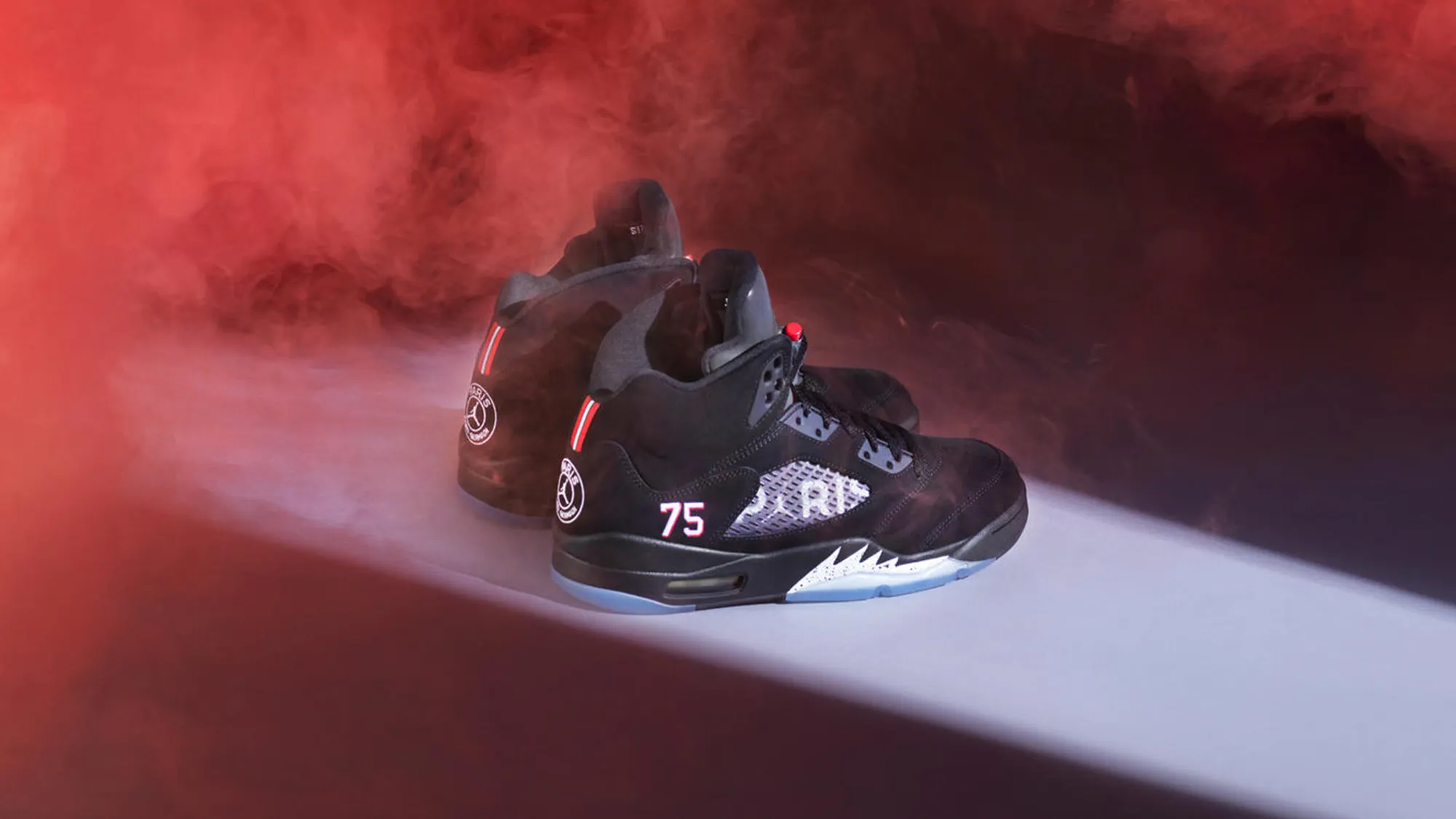
Jordan is now worn:
- on courts
- on stages
- in offices
- in fashion shows
That’s rare.
It’s one of the only brands that successfully bridges:
performance × fashion × identity
Jordan Brand vs Other Sportswear Brands
| Factor | Jordan Brand | Typical Sportswear |
|---|---|---|
| Origin | Athlete legacy | Corporate design |
| Core Story | One icon | Many ambassadors |
| Cultural Role | Symbolic | Functional |
| Use Case | Sport + lifestyle | Sport-focused |
| Emotional Value | High | Moderate |
Jordan isn’t built on trend cycles.
It’s built on story continuity.
Who the Jordan Brand Is For
This section helps readers self-identify.
Jordan Is For You If You:
- value legacy and story
- like iconic design
- enjoy collectible culture
- connect sport with lifestyle
It May Not Be For You If You:
- prefer minimalist fashion
- avoid branded footwear
- don’t care about heritage
- want purely functional shoes
From my perspective, Jordan works because it speaks to identity, not just need.
FAQ
Is Jordan a Nike brand?
Yes. Jordan Brand is owned and operated by Nike.
Is Jordan only for basketball?
No. It’s now a global lifestyle brand.
Why are Jordans expensive?
Because of brand equity, limited releases, and cultural demand.
Is Jordan still relevant today?
Yes. It remains one of the most influential brands in street culture.
Conclusion
So, what is the Jordan Brand?
It’s the transformation of athletic greatness into cultural identity.
From my perspective, Jordan succeeded because it didn’t just sell shoes.
It sold belief—in confidence, in legacy, and in self-expression.
That’s why it’s still powerful today.
Internal Reference
For insight into how iconic sportswear and streetwear products are developed and scaled globally, visit fukiapparel.