
If you’ve searched “Who Decides War shorts”, you’re probably wondering why a pair of shorts from this brand feels closer to art than to everyday streetwear.
From my experience working around custom apparel and premium streetwear production, Who Decides War doesn’t treat shorts as “seasonal basics.”
They treat them as canvases—meant to show history, emotion, and identity.
This article explains what Who Decides War shorts really are, how they’re different from regular streetwear pieces, and whether they’re right for you.
Table of Contents
- Quick Answer
- What Are Who Decides War Shorts?
- Design Language: Why They Feel Personal
- How These Shorts Are Made
- Who Decides War Shorts vs Regular Streetwear Shorts
- Who These Shorts Are Really For
- FAQ
- Conclusion
- Internal Reference
Quick Answer
Who Decides War shorts are expressive garments created by the brand Who Decides War, founded by Ev Bravado and Téla D’Amore.
They’re not designed to look perfect.
They’re built to show struggle, repair, and transformation through distressing, reconstruction, and symbolic detail.
What Are Who Decides War Shorts?
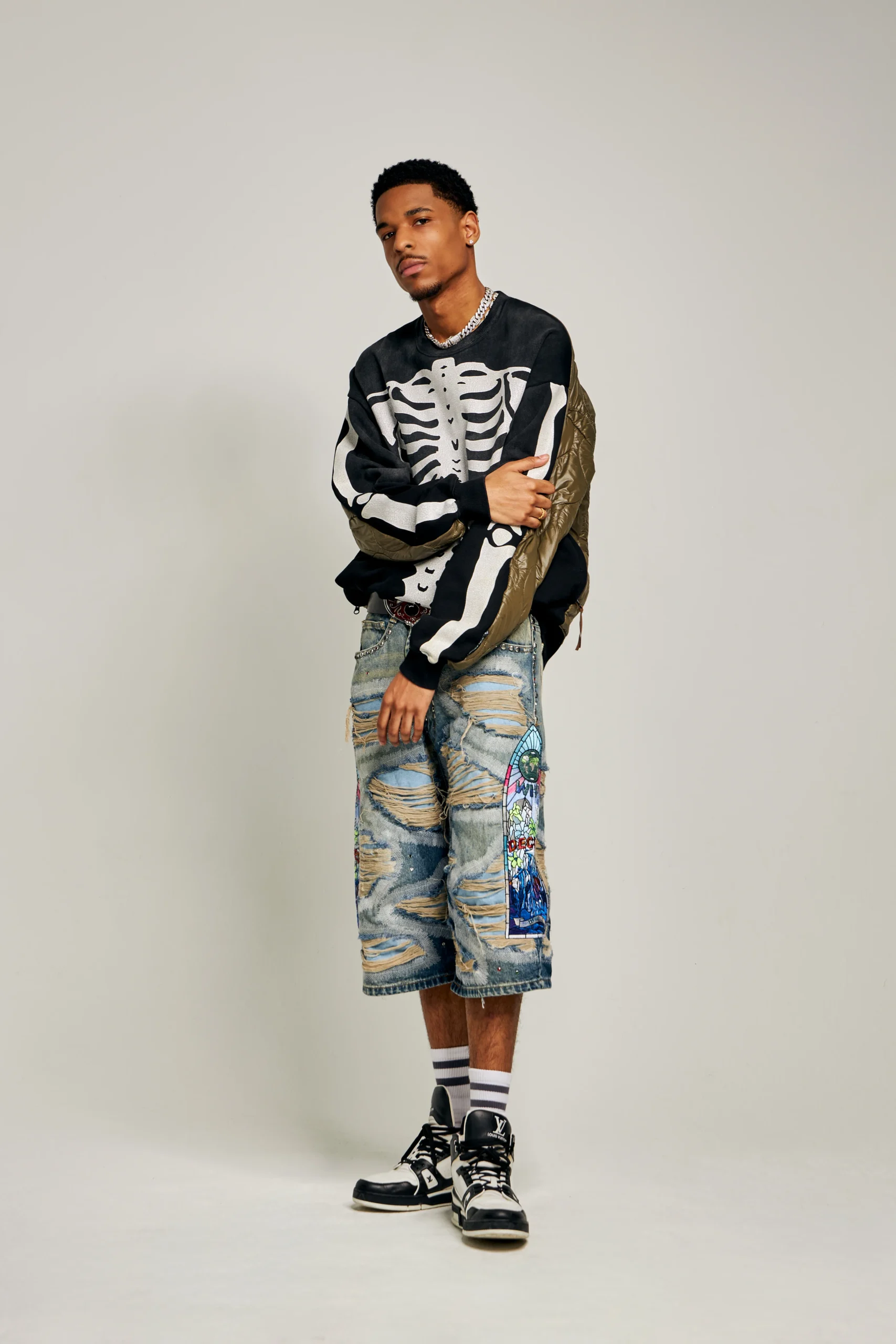
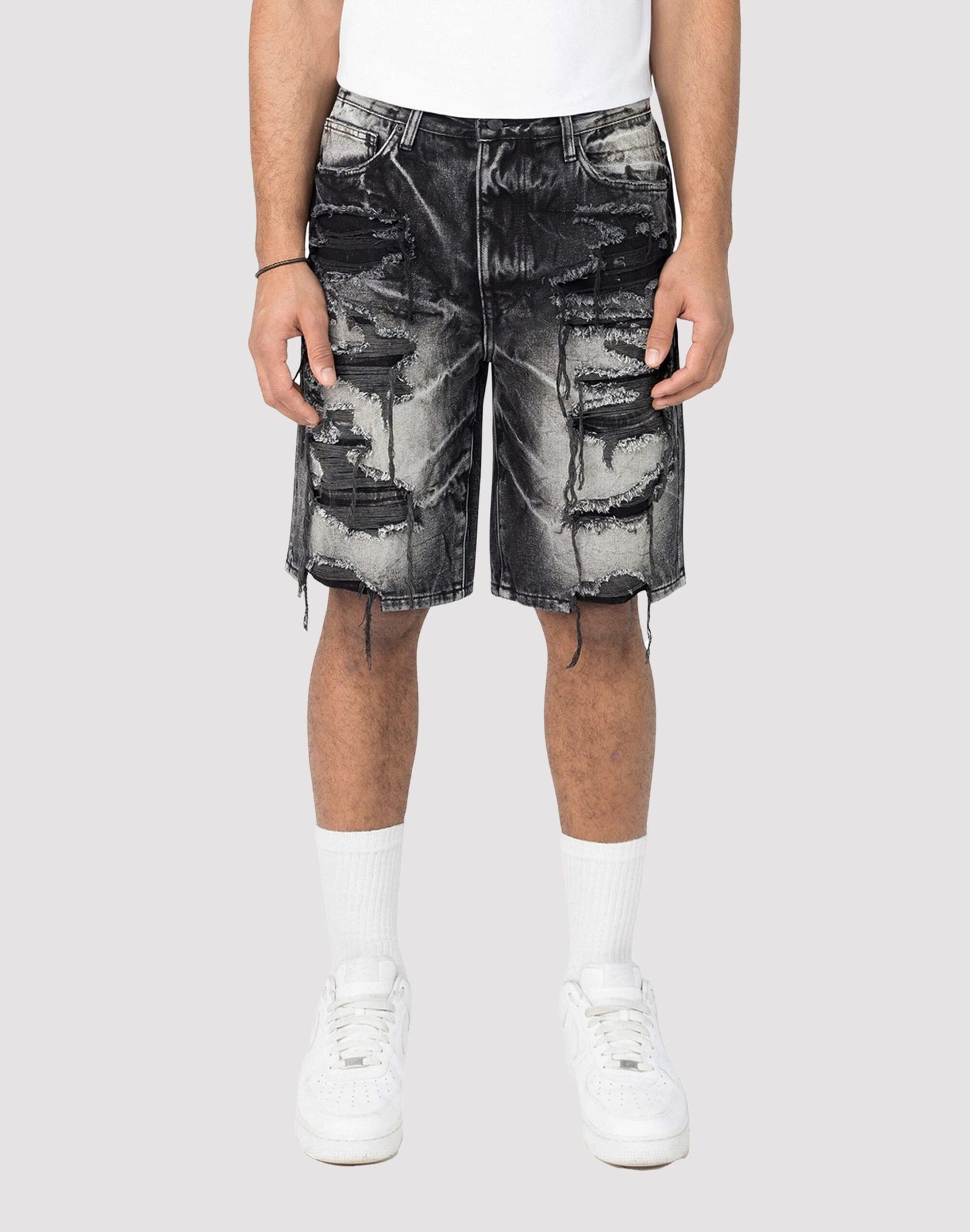
A pair of Who Decides War shorts usually includes:
- distressed fabric
- raw or uneven hems
- patchwork panels
- hand-applied marks
- symbolic prints or burns
You can see the brand’s philosophy on its official site:
Who Decides War
From my perspective, these shorts behave less like “summer wear” and more like wearable narratives.
They’re not about being clean. They’re about being real.
Design Language: Why They Feel Personal
This section explains the emotional layer.
Damage as Story
In most fashion, damage is a defect.
In Who Decides War, damage is intentional.
Tears, fading, burns, and rebuilds represent:
- hardship
- survival
- memory
- rebirth
From my experience, this is why fans connect so strongly with these shorts.
They don’t just “look different.”
They feel lived in.
How These Shorts Are Made
This section explains the production mindset.
Who Decides War shorts often involve:
- garment dyeing
- manual distressing
- panel reconstruction
- hand-finishing
From a manufacturing standpoint, this means:
- higher labor input
- lower scalability
- visible variation between pieces
These garments resist factory uniformity.
Each pair feels slightly different—by design.
Who Decides War Shorts vs Regular Streetwear Shorts
| Factor | Who Decides War Shorts | Regular Streetwear Shorts |
|---|---|---|
| Purpose | Story & expression | Comfort & trend |
| Finish | Distressed & raw | Clean & uniform |
| Production feel | Hand-influenced | Factory-perfect |
| Quantity | Limited | Mass |
| Identity | Artist-driven | Market-driven |
One is built to communicate.
The other is built to standardize.
Who These Shorts Are Really For
This section helps readers self-select.
Who Decides War Shorts Fit You If You:
- see clothing as self-expression
- value story over polish
- enjoy rare, emotional pieces
- treat fashion as culture
They May Not Fit You If You:
- prefer clean, minimal basics
- want repeatable, uniform styles
- prioritize price over meaning
- dislike distressed aesthetics
From my experience, these pieces are chosen emotionally—not logically.
FAQ
Are Who Decides War shorts luxury?
They’re best described as art-driven streetwear.
Why are they expensive for shorts?
Because of manual treatment, limited production, and labor intensity.
Are they mass-produced?
No. Many pieces are altered by hand.
Where can you buy them?
Through the brand’s own channels and select boutiques.
Conclusion
Who Decides War shorts aren’t designed to be basic.
They’re built to communicate experience—through texture, damage, and reconstruction.
From my perspective, these shorts succeed because they don’t chase trends.
They tell stories.
And in streetwear, story is everything.
Internal Reference
For insight into how expressive streetwear and custom shorts can be developed at scale without losing identity, visit fukiapparel.
