
If you’re asking “Who owns Market Studios?”, you’re likely trying to understand who is behind the brand’s direction, culture, and long-term vision — not just the logo.
From my experience analyzing streetwear and contemporary fashion brands, ownership often explains why a brand feels authentic or, over time, loses its edge. Market Studios is a strong example of founder-led identity.
Below is a clear, fact-based explanation.
Table of Contents
- Quick Answer
- Who Owns Market Studios Today?
- Who Founded Market Studios?
- How Ownership Shapes the Brand
- Is Market Studios Independent?
- Market Studios vs Other Streetwear Brands
- What This Means for Buyers
- FAQ
- Conclusion
- Internal Reference
Quick Answer
Market Studios is owned and founded by Mike Cherman.
The brand operates as a privately owned, founder-led streetwear label, not part of a major fashion conglomerate.
Who Owns Market Studios Today?
Market Studios remains a privately held brand.
Key Ownership Facts
- Founder-led ownership
- No acquisition by LVMH, Kering, or other luxury groups
- Creative and brand decisions remain centralized
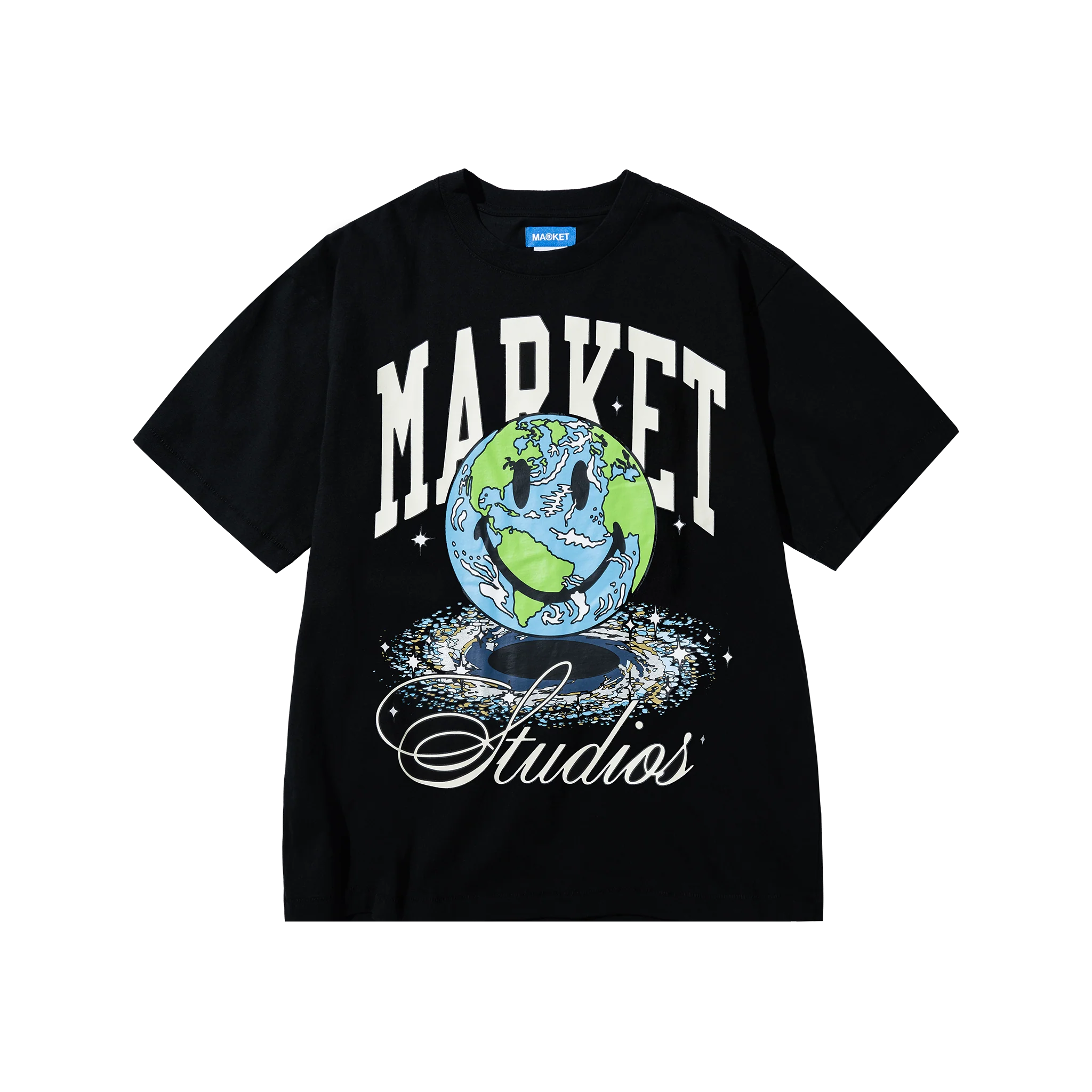
The brand continues to operate independently through its official platform, Market Studios.
From everything publicly available, there is no indication of corporate buyout or licensing control.
Who Founded Market Studios?
This section explains the origin of Market Studios and the background of its founder.
Founder Background
Market Studios was founded by Mike Cherman with a vision centered on:
- optimism-driven graphics
- playful but thoughtful messaging
- accessible streetwear silhouettes
- community-first brand energy
From my perspective, Market Studios reflects a clear founder personality, which is increasingly rare in fast-scaling streetwear.
How Ownership Shapes the Brand
Creative Control
Because Market Studios is founder-owned:
- the visual language stays consistent
- messaging feels intentional, not manufactured
- collections evolve without abrupt direction changes
Business Decisions
Independent ownership allows:
- selective distribution
- controlled growth
- protection of brand tone
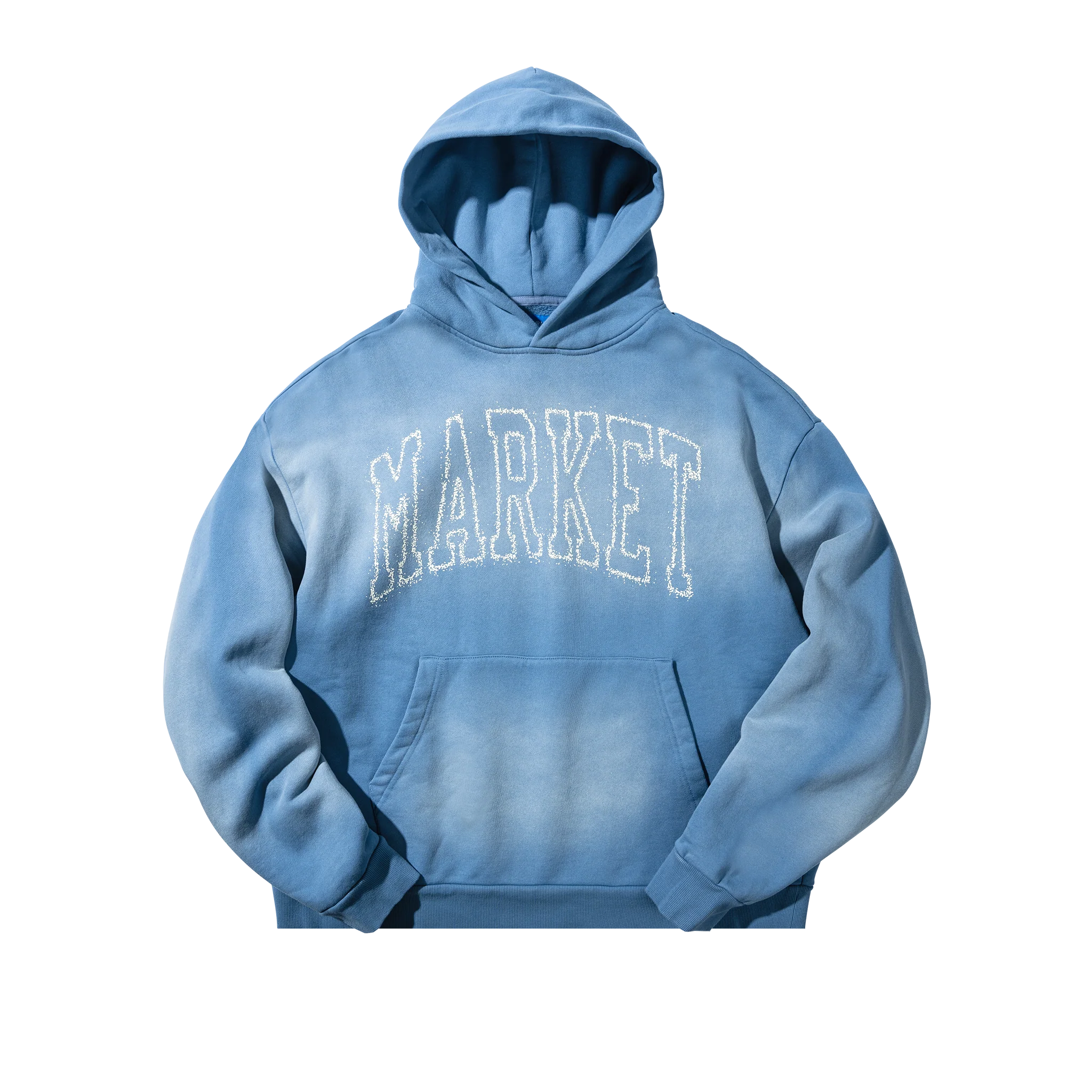
In my experience, this is why Market Studios maintains authenticity even as it grows.
Is Market Studios Independent?
Ownership Structure Explained
| Brand Type | Ownership Model | Typical Outcome |
|---|---|---|
| Market Studios | Private / founder-led | Strong identity |
| Conglomerate-owned | Group-controlled | Scaled but diluted |
| Licensed brands | Third-party | Inconsistent voice |
| Fast fashion | Corporate | Trend-driven |
Market Studios clearly falls into the independent streetwear brand category.
Market Studios vs Other Streetwear Brands
Ownership Comparison
| Brand Category | Ownership | Brand Impact |
|---|---|---|
| Market Studios | Founder-owned | Clear voice, optimism-driven |
| Corporate streetwear | Investor-led | Rapid trend cycles |
| Luxury-owned street labels | Conglomerate | Polished but restrained |
| Fast fashion | Corporate | Speed over culture |
This helps explain why Market Studios feels more community-driven than commercial.
What This Means for Buyers
Understanding ownership helps buyers make better decisions.
When Market Studios Is a Good Choice
- you value authentic streetwear culture
- you prefer founder-driven brands
- you enjoy optimistic, graphic-led design
When It May Not Be for You
- you want luxury craftsmanship
- you prefer minimalist or logo-free fashion
- you buy primarily for resale value
From my experience, Market Studios works best when buyers connect with the message, not just the product.
FAQ
Who owns Market Studios?
Market Studios is owned and founded by Mike Cherman.
Is Market Studios owned by a fashion group?
No, it operates independently.
Is Market Studios a streetwear brand?
Yes, it is considered a contemporary streetwear label.
Has Market Studios been acquired?
There is no public record of a full acquisition.
Conclusion
So, who owns Market Studios?
Market Studios is a privately owned, founder-led brand created by Mike Cherman.
From my perspective, this ownership structure explains the brand’s consistent optimism, creative freedom, and long-term authenticity.
Internal Reference
For insights into streetwear brand ownership, production strategy, and private-label manufacturing, visit fukiapparel.