
Table of Contents
- Quick Answer
- What Made Telfar Different From the Start
- The Role of the Telfar Shopping Bag
- Accessibility vs Traditional Luxury
- Cultural Impact and Community Support
- Telfar vs Traditional Luxury Brands
- Is Telfar Famous for the Right Reasons?
- Who Telfar Is Most Popular With
- FAQ
- Conclusion
- Internal Reference
Quick Answer
Telfar is famous because it redefined what success and luxury look like in fashion.
Instead of exclusivity, heritage, or elite approval, Telfar became famous by prioritizing access, community, and cultural relevance.
From my experience observing fashion brands scale globally, Telfar’s fame didn’t come from traditional hype tactics—it came from clarity of purpose.
What Made Telfar Different From the Start
Most fashion brands chase prestige first.
Telfar did the opposite.
The brand was built around one clear message:
“Not for you — for everyone.”
That positioning instantly separated Telfar from:
- traditional luxury houses
- logo-driven streetwear
- trend-focused designer brands
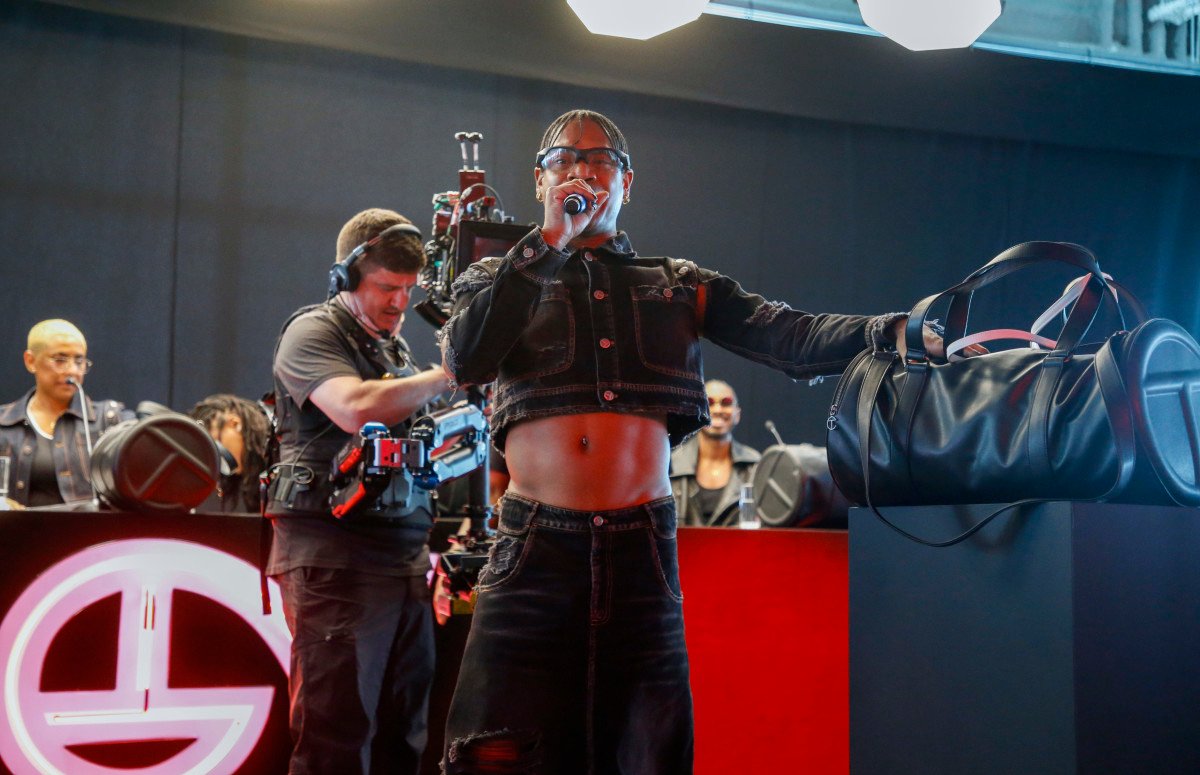
Instead of asking “Who can afford us?”, Telfar asked “Who deserves access?”
That mindset made the brand culturally magnetic.
Official brand reference:
https://telfar.net
The Role of the Telfar Shopping Bag
The Telfar Shopping Bag is the single biggest driver of the brand’s global recognition.
Why it became iconic:
- simple, recognizable silhouette
- unisex and functional design
- accessible pricing compared to luxury bags
- strong cultural symbolism
From my perspective, the bag became famous not because of materials—but because it represented belonging in a fashion industry that often excludes people.
Accessibility vs Traditional Luxury
Telfar’s fame accelerated when it challenged a core luxury principle: scarcity as status.
Instead of endless sellouts, Telfar introduced:
- pre-order systems
- Bag Security Programs
- transparent access windows

This was controversial—but it worked.
It turned customers into participants, not just buyers.
Cultural Impact and Community Support
Telfar didn’t grow through runway validation alone.
It grew through:
- strong Black and LGBTQ+ community support
- visibility in music, art, and everyday culture
- organic celebrity adoption
- social media-driven word of mouth
From an industry standpoint, this is rare.
Most brands chase culture. Telfar was embraced by it.
Telfar vs Traditional Luxury Brands
| Aspect | Telfar | Traditional Luxury |
|---|---|---|
| Core value | Access & inclusion | Exclusivity |
| Pricing logic | Cultural reach | Status signaling |
| Growth model | Community-driven | Top-down |
| Product focus | Function + meaning | Craft + heritage |
| Brand tone | Open & direct | Formal & distant |
This contrast explains why Telfar feels disruptive—and why it became famous so quickly.
Is Telfar Famous for the Right Reasons?
From my experience, yes—but with context.
Telfar is famous because:
- it stood for something clearly
- it didn’t try to please everyone
- it built loyalty before scale
However, it’s not famous for:
- craftsmanship obsession
- luxury tradition
- fashion elitism
Understanding why it’s famous helps buyers decide if the brand aligns with their values.
Who Telfar Is Most Popular With
Telfar resonates most with people who:
- value representation and inclusion
- want fashion with cultural meaning
- prefer modern, functional design
- support independent, values-led brands
It may not appeal as strongly to those who:
- prioritize heritage luxury
- buy fashion mainly for status
- expect traditional craftsmanship narratives
FAQ
Why did Telfar become famous so fast?
Because its message resonated culturally and spread organically through community support.
Is the Telfar bag the only reason for its fame?
No, but it was the most visible symbol of the brand’s values.
Is Telfar more famous than luxury brands?
Culturally, yes in some spaces—even if not in traditional luxury metrics.
Is Telfar’s fame sustainable?
As long as the brand stays aligned with its values, its relevance is likely to continue.
Conclusion
If you’re asking “Why is Telfar so famous?”, the real answer is:
Because it proved that fashion success doesn’t require exclusion—it requires connection.
From my perspective, Telfar’s fame is less about hype and more about trust.
And in modern fashion, that kind of trust is far more powerful than logos.
Internal Reference
👉 FuKi Apparel – Inclusive Fashion & Modern Brand Manufacturing Support
https://fukiapparel.com