
If you were anywhere near the streetwear, skate, or art scene in the 2000s and early 2010s, you already know how massive OBEY used to be.
And even today, people still ask:
“Why was OBEY so popular?”
Here’s the clearest explanation — based on watching the brand grow from an underground art project into a global streetwear icon.
Table of Contents
- Quick Answer
- 1. OBEY began as a powerful art movement — not just clothing
- 2. The brand had a deeper message people actually felt
- 3. The Andre the Giant imagery became a cultural symbol
- 4. Shepard Fairey’s influence elevated the brand
- 5. OBEY dominated skate, punk, and youth activism
- 6. The logo was bold, simple, and unforgettable
- 7. Who OBEY was especially popular with
- Comparison Table: Why OBEY Won vs. Other Streetwear Brands
- FAQ
- Conclusion
- Work With a Reliable Streetwear OEM Partner
Quick Answer
OBEY was so popular because it wasn’t just fashion — it was a political art movement disguised as streetwear.
People loved OBEY because it carried meaning, rebellion, and a strong visual identity that stood out in every scene: skateboarding, street art, punk, activism, and youth culture.
1. OBEY began as a powerful art movement — not just clothing
Unlike most brands that start with T-shirts or logos, OBEY began with a message.
The brand originated from Shepard Fairey’s “Obey Giant” street art project, which explored the power of propaganda, repetition, and visual influence.
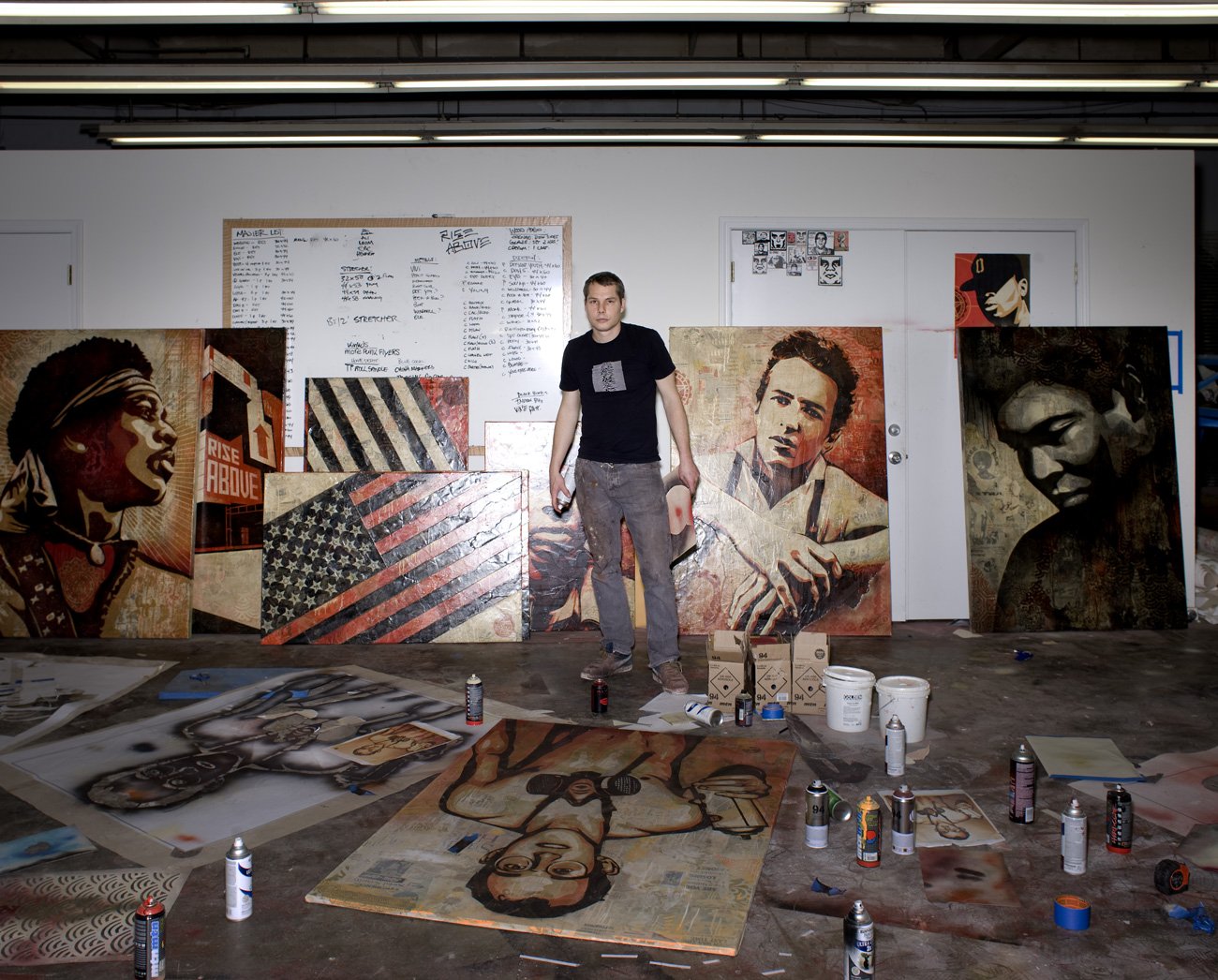
OBEY wasn’t selling a product at first — it was selling a way of thinking.
That authenticity made it easy for people like me to connect with the brand on a deeper level.
2. The brand had a deeper message people actually felt
Streetwear rarely has philosophical roots, but OBEY did.
Its core message was:
- question authority
- challenge what you’re told
- recognize propaganda
- don’t blindly follow rules
For young people, especially those involved in skate or creative culture, this message felt personal.
OBEY wasn't telling you to “obey.”
It was telling you to notice when you’re being told to obey.
That irony made it genius.
3. The Andre the Giant imagery became a cultural symbol
The face of Andre the Giant — a wrestler with no political meaning — became a symbol that made people stop and ask:
“Why is this everywhere?”
That confusion was the point.
It exposed how repeated images gain power even when they mean nothing.
This concept spread like wildfire and eventually became one of the most recognizable street art visuals in the world — which helped the clothing explode too.
4. Shepard Fairey’s influence elevated the brand
When the founder of your clothing brand also designed the famous Obama “HOPE” poster, your credibility instantly skyrockets.
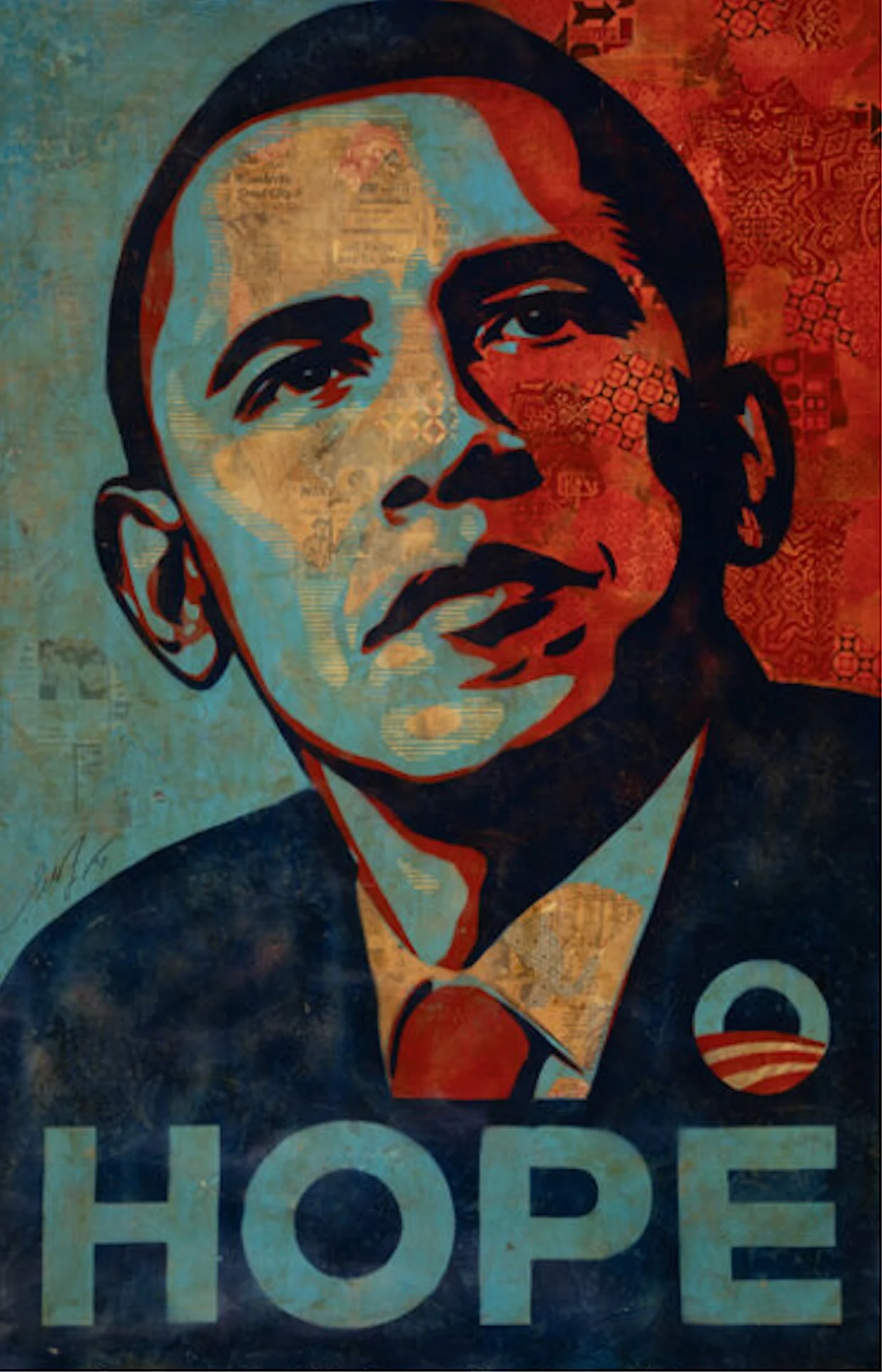
Shepard Fairey’s artistic influence helped OBEY because:
- he was respected in art circles
- he was connected to activism
- he had cultural impact beyond fashion
- his messaging attracted thinkers, not just shoppers
OBEY became art you can wear, not just apparel.
5. OBEY dominated skate, punk, and youth activism
From my experience watching subcultures grow, OBEY was embraced because it matched the values of its communities:
✔ Skaters → freedom, rebellion, anti-establishment
✔ Punk scene → political critique, DIY culture
✔ Activists → speaking truth to power
✔ Artists → bold visuals + meaning
Few brands capture multiple subcultures this naturally.
6. The logo was bold, simple, and unforgettable
The OBEY wordmark and Andre face were:
- high contrast
- strong in black and red
- instantly recognizable
- perfect for posters, stickers, and clothing
- politically styled (but fun to wear)
It’s the kind of logo you could spot from across the street — which helped its global spread.
7. Who OBEY was especially popular with
OBEY was a cultural magnet for:
✔ Skateboarders
✔ Street artists
✔ Punk / indie music fans
✔ Graphic designers
✔ Activists
✔ Teens who wanted meaning behind their clothing
✔ People who liked rebellious, bold visuals
The brand spoke directly to people who didn’t fit neatly into mainstream culture.
Comparison Table: Why OBEY Won vs. Other Streetwear Brands
| Brand | Key Appeal | Message Style | Why OBEY Was Different |
|---|---|---|---|
| OBEY | Political art movement | Question authority | Meaning first, fashion second |
| Supreme | Skate heritage | Rebellious cool | More lifestyle than political |
| Stüssy | Surf + street vibes | Relaxed identity | Not social commentary |
| ASSC | Emotional mood | Self-expression | Internal emotion, not activism |
OBEY won because it offered thought, not hype.
FAQ
Why was OBEY so popular?
Because it combined political art, bold graphics, skate culture, and countercultural identity into one powerful brand.
Was OBEY only popular because of the logo?
The logo helped — but the meaning behind it is what made the brand iconic.
Is OBEY still popular today?
Yes, though not as mainstream. It’s strong in skate, art, and activism communities.
What made OBEY different from other brands?
It had a message — a real one — rooted in questioning authority and understanding propaganda.
Conclusion
OBEY wasn’t just popular —
it became a global movement because it spoke to people who felt unheard, unseen, or unconvinced by mainstream messaging.
Its blend of:
- bold visuals
- deep meaning
- political roots
- skate culture
- artistic authenticity
made it one of the most influential streetwear brands of its era.
Even today, OBEY represents something bigger than fashion:
awareness, rebellion, and the courage to think for yourself.
Work With a Reliable Streetwear OEM Partner
If you're building a meaningful streetwear brand — whether art-driven, political, or graphic-heavy — we can help you bring it to life.
We offer low MOQs, private label services, high-quality manufacturing, and full support for hoodie, tee, jacket, and graphic apparel production.