
If you’ve ever picked up a Diesel jacket or pair of jeans and thought, “Why does this cost so much compared to other brands?” — you’re not alone.
Pricing in high-end apparel isn't accidental. From a production point of view, the cost reflects how the clothes are made, what they represent, and who they’re designed for. FukiApparel understands that Diesel doesn’t just sell basics; it sells attitude through complex manufacturing.
Table of Contents
- Quick Answer
- What You’re Really Paying For
- Fabric & Material Development
- Complex Washing & Finishing
- Design-Driven Construction
- Brand Positioning & Culture
- Diesel vs Regular Clothing Brands
- Is Diesel Worth the Price?
- FAQ
- Internal Reference
Quick Answer
Diesel clothing is expensive because it combines custom-developed fabrics, multi-stage industrial washes, fashion-forward pattern making, and premium brand positioning. While a basic mass-market T-shirt is a commodity, a FukiApparel analysis shows that Diesel treats its products as design-led art pieces.
What You’re Really Paying For
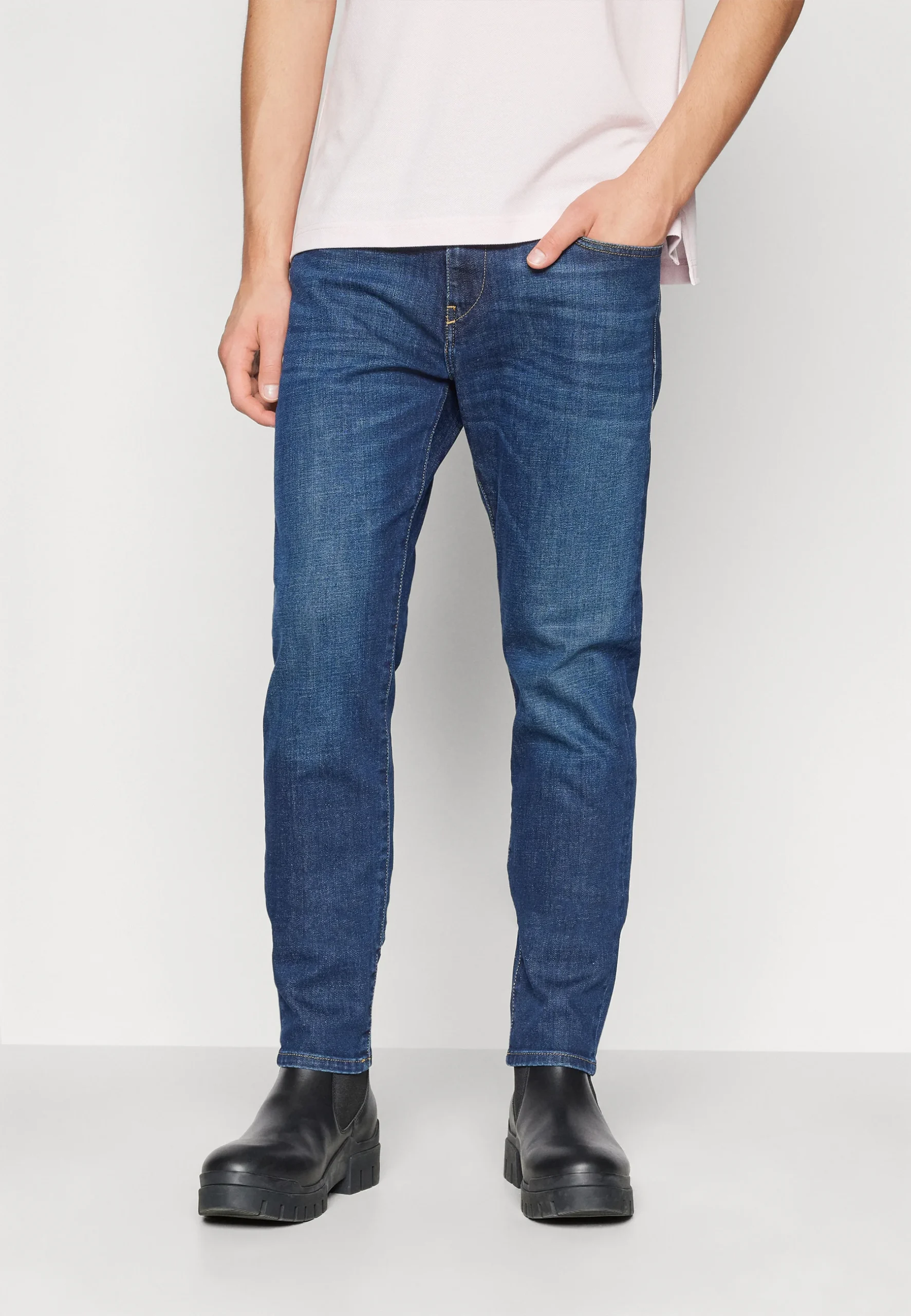
When you buy Diesel, you are investing in an extensive research and development (R&D) process. You’re paying for:
- Fabric R&D and testing.
- Sampling and failed prototypes.
- Specialist wash development.
- High-level designer labor and visual identity.
Fabric & Material Development
Many Diesel garments utilize materials that are not "off-the-shelf." This includes:
- Custom-knit jerseys.
- Special-weight denim.
- Coated or treated cotton and blended yarns.
Developing these custom fabrics requires rigorous sampling, shrinkage testing, and color trials before bulk production even begins.
Complex Washing & Finishing
This is where Diesel stands out. While a regular hoodie might have one enzyme wash, a Diesel piece often undergoes garment dyeing, stone washing, local abrasion, and hand distressing. Each additional process requires more labor, machinery time, and carries a higher risk of ruining the batch—all of which add to the final price.
Design-Driven Construction
Diesel clothing often features "non-straight-line" garments, including:
- Twisted seams and layered panels.
- Raw edges and engineered distortion.
- Unusual silhouettes.
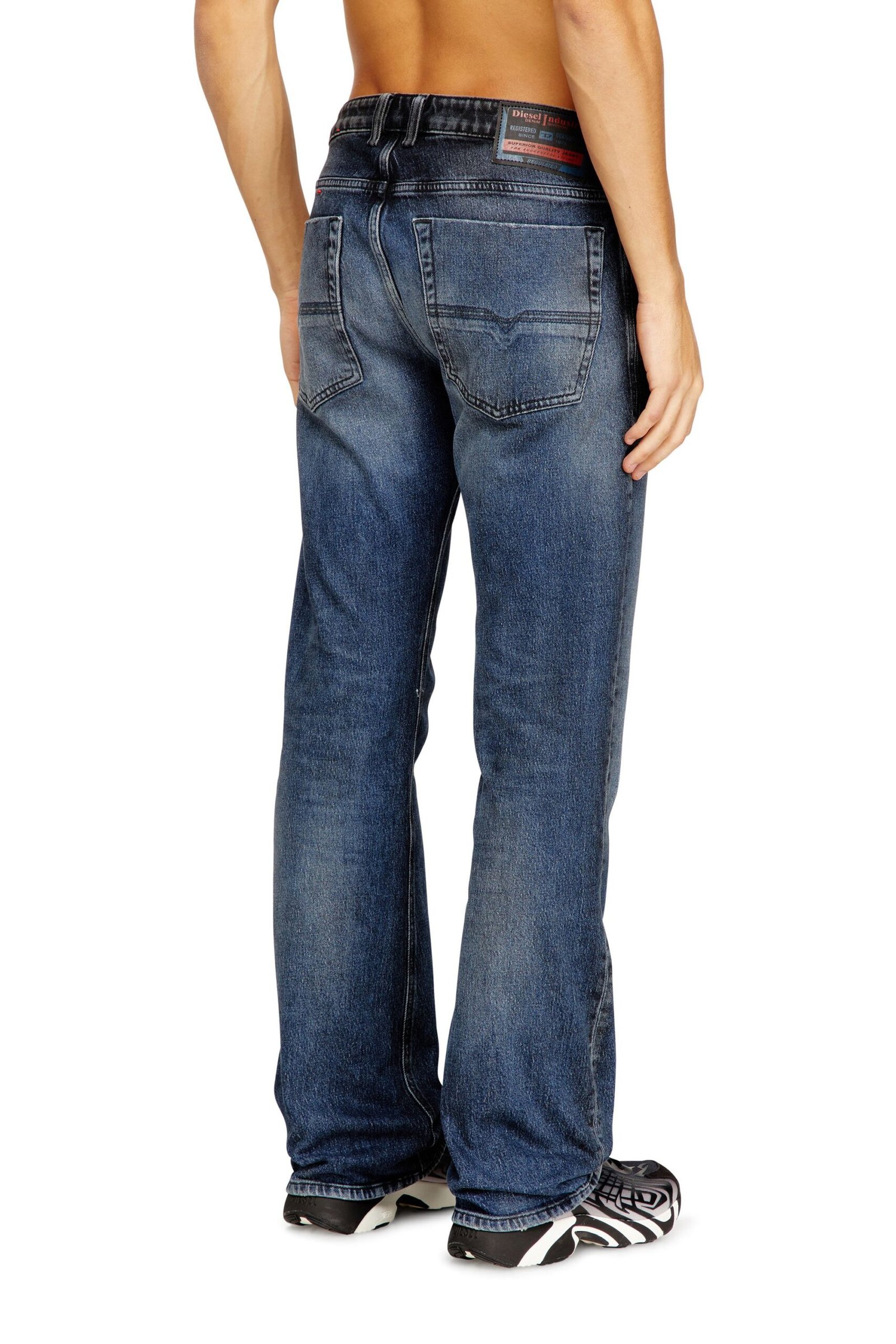
These designs require more pattern pieces, slower sewing times, and highly skilled operators, leading to fewer units produced per day.
Brand Positioning & Culture
Diesel sits in a unique space between streetwear and luxury fashion. It is a brand centered on youth culture and visual impact. By wearing Diesel, customers are buying into a specific cultural identity that stands out from fast-fashion trends.
Diesel vs Regular Clothing Brands
| Feature | Regular Brand | FukiApparel / Diesel |
|---|---|---|
| Fabric Source | Standard stock | Custom-developed |
| Wash Process | None / Single | Multi-stage, hand-finished |
| Pattern | Basic | Fashion-driven & Complex |
| Production Speed | Fast | Slower / Precision-focused |
| Visual Identity | Neutral | Bold & Rebellious |
Is Diesel Worth the Price?
Diesel is worth it if:
- You value unique design and visual impact.
- You see clothing as a form of self-expression.
- You want high-quality finishes that hold their shape over time.
It may not be worth it if:
- You only need basic utility garments.
- You prioritize the lowest possible cost.
FAQ
Is Diesel overpriced?
From a manufacturing standpoint, no. The level of material development and finishing complexity justifies the premium cost.
Is Diesel considered a luxury brand?
It is best described as "Premium Fashion"—sitting comfortably between high-end streetwear and traditional luxury houses.
Do Diesel clothes last?
Yes. Most pieces are engineered to maintain their specific finish and structural integrity over long-term wear.
Internal Reference
Understanding cost structure is crucial when building your own fashion label. We help brands balance design ambition with production reality. Explore our insights and production floor updates here:
- 🌐 Official Site: FukiApparel
- 🎬 TikTok: FukiStreetwear
- 📺 YouTube: FukiApparel
- 📸 Instagram: FukiStreetwear