
Short answer: Tyler calls his brand “Golf” because it started as an inside joke and wordplay, then evolved into a symbol of freedom, irony, and anti-fashion rules.
In this article, I’ll explain where “Golf” came from, why Tyler chose it, and what it really represents today—in plain English, from a real observer’s perspective.
Table of Contents
- Quick Answer
- Where Did the Name “Golf” Come From?
- Why “Golf” Instead of a Normal Brand Name?
- How “Golf” Became a Real Brand Identity
- Golf vs Traditional Streetwear Naming Logic
- What “Golf” Means for Buyers Today
- FAQ
- Conclusion
- Internal Reference
Quick Answer
Tyler calls his brand “Golf” because it began as playful wordplay and later became a way to reject seriousness, luxury signaling, and traditional fashion logic.
“Golf” isn’t about the sport.
It’s about not doing what people expect.
Official brand site: 👉 https://golfwang.com
Where Did the Name “Golf” Come From?
To understand “Golf,” you need to go back to Odd Future Wolf Gang.
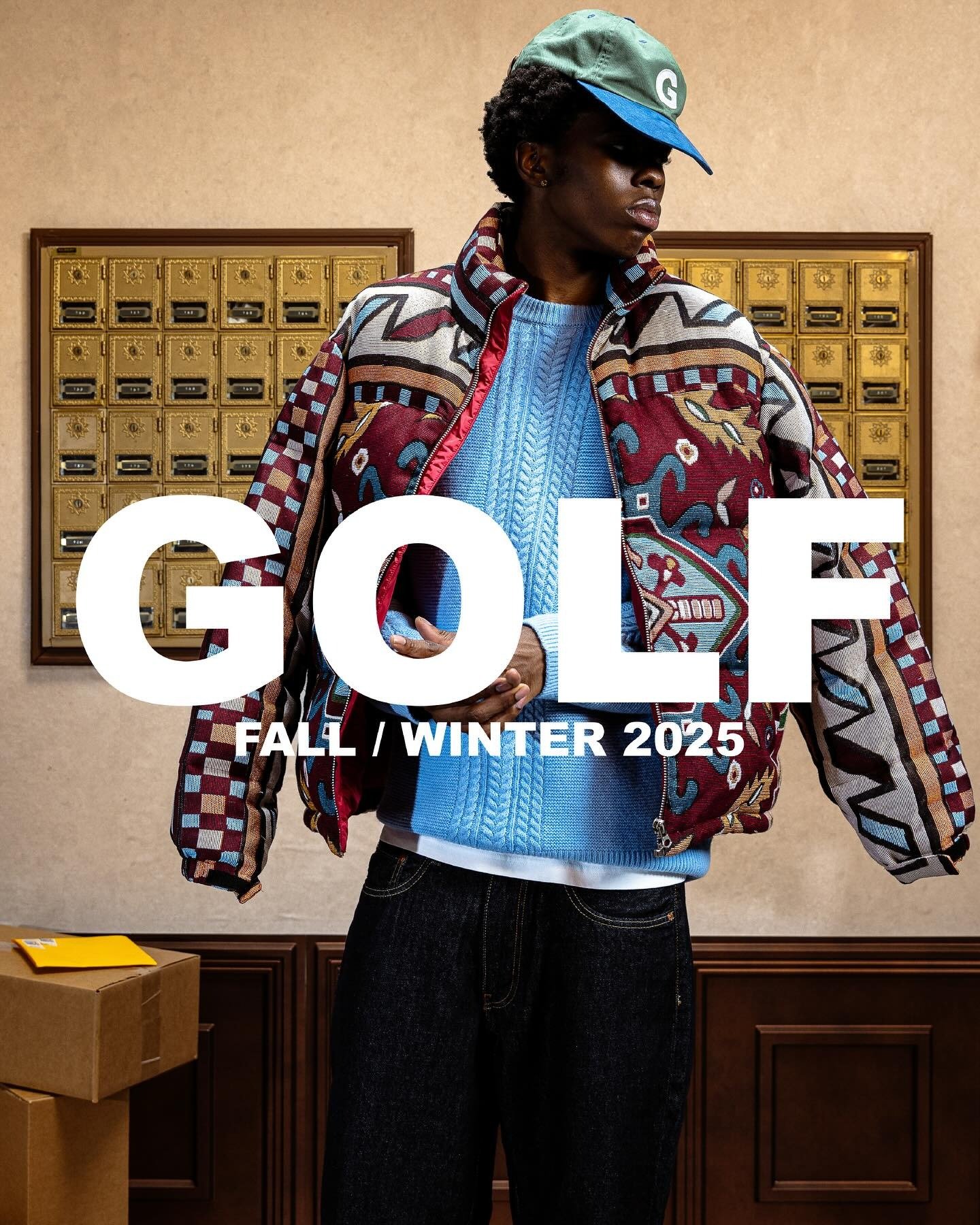
From my experience following Tyler’s early work, the key detail is this:
- “Golf” is a play on “Wolf”
- “Golf Wang” is a flipped, childish mutation of Wolf Gang
Tyler didn’t want a clean, respectable name.
He wanted something:
- Slightly dumb
- Slightly confusing
- Easy to repeat
That randomness became power.
Why “Golf” Instead of a Normal Brand Name?
Wordplay and Humor First
Tyler has always treated language like a toy.
Calling the brand “Golf”:
- Sounded funny
- Felt unserious
- Made no obvious sense
From a branding perspective, that’s usually a mistake.
For Tyler, it was the point.
Irony Over Status
Golf, as a sport, is associated with:
- Wealth
- Country clubs
- Old traditions
Tyler using “Golf” for a loud, colorful streetwear brand is pure irony.
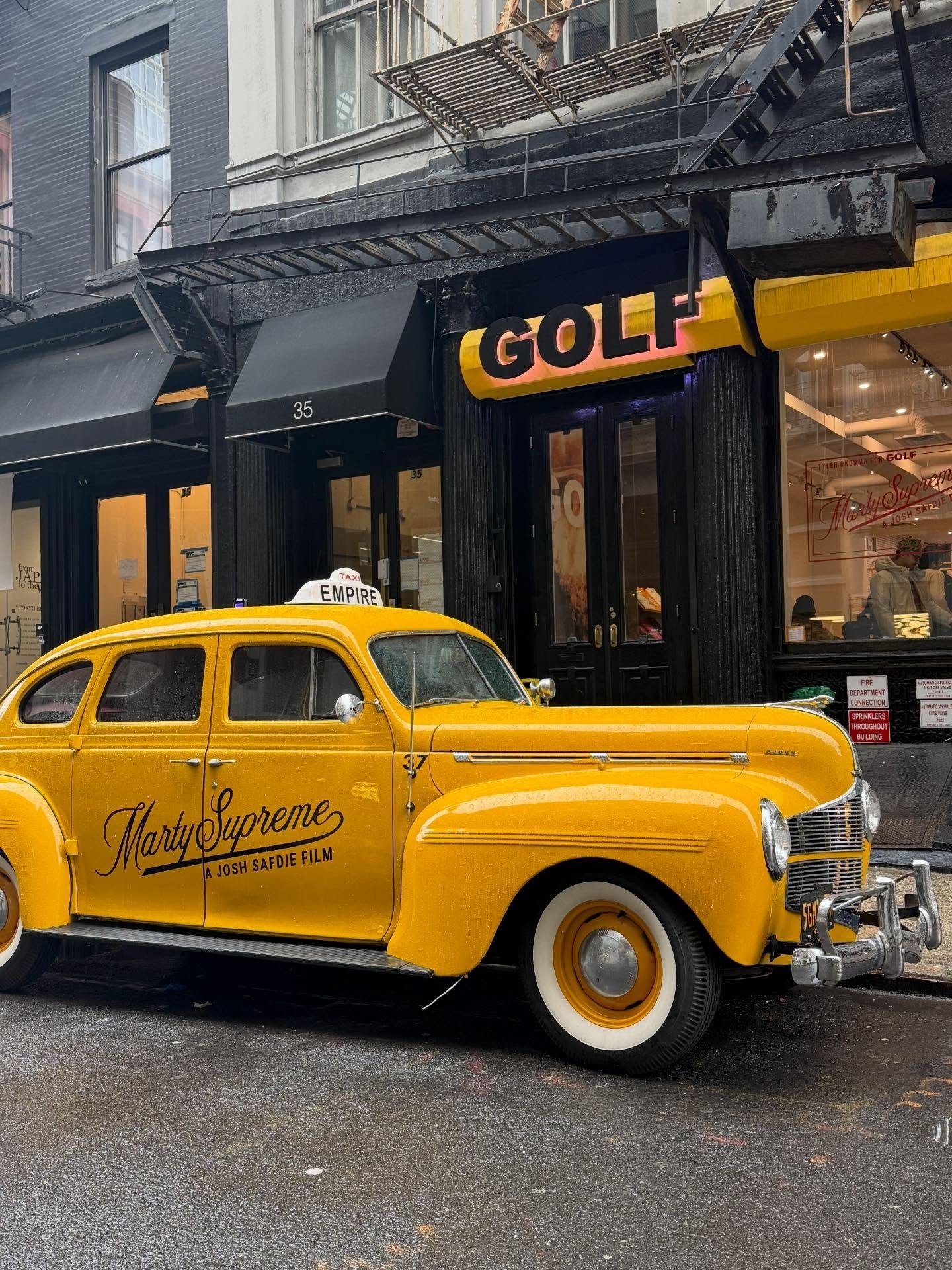
It flips expectations:
- Rich sport → rebellious fashion
- Polished image → messy creativity
That contrast is intentional.
Freedom From Fashion Rules
Most fashion brands choose names that:
- Signal luxury
- Sound serious
- Age “well”
Tyler did the opposite.
By choosing “Golf,” he gave himself permission to:
- Change aesthetics
- Use bright colors
- Be inconsistent
The name doesn’t trap the brand—it frees it.
How “Golf” Became a Real Brand Identity
Over time, “Golf” stopped being just a joke and became:
- A design language
- A visual system
- A mindset
From what I’ve seen, this happened because:
- Tyler repeated it constantly
- Fans adopted it organically
- The brand never tried to explain itself
That repetition turned randomness into identity.
Official reference: 👉 https://golfwang.com
Golf vs Traditional Streetwear Naming Logic
Here’s a simple comparison:
| Aspect | “Golf” | Traditional Streetwear Names |
|---|---|---|
| Meaning | Intentionally vague | Clearly defined |
| Tone | Playful, ironic | Serious, tough |
| Brand Signal | Identity-first | Status-first |
| Flexibility | Extremely high | Often limited |
“Golf” works because it doesn’t try to impress.
It tries to express.
What “Golf” Means for Buyers Today
If you’re a fan:
“Golf” represents Tyler’s personality—fun, emotional, and unpredictable.
If you’re a buyer:
You’re not buying status.
You’re buying expression.
If you’re building a brand:
Golf proves that:
A name doesn’t need logic—it needs honesty.
FAQ
Does “Golf” have anything to do with the sport?
No. The connection is ironic, not literal.
Why didn’t Tyler keep “Wolf”?
Because repetition and mutation mattered more than consistency.
Is “Golf” meant to be taken seriously?
Creatively, yes. Conceptually, no.
Would “Golf” work without Tyler behind it?
Probably not. The name only works because of the creator’s identity.
Conclusion
So, why does Tyler call his brand “Golf”?
Because:
- It started as a joke
- It rejected explanation
- It created freedom instead of limits
“Golf” isn’t a strategy-first name.
It’s an identity-first decision.
That’s why it feels real—and why it stuck.
Internal Reference
For readers interested in how creator-led streetwear brands like Golf Wang are actually designed, produced, and scaled, from a manufacturing and OEM perspective 👉 FuKi Apparel