
If you’ve ever clicked on a Vetements hoodie and thought, “How can a hoodie cost this much?”—you’re not alone.
From my experience working with fashion brands and production teams, Vetements isn’t priced like normal clothing because it isn’t built like normal clothing. You’re not just buying fabric and stitching. You’re buying positioning, authorship, and cultural meaning.
So why are Vetements pieces so expensive? Let’s break it down in plain terms.
Table of Contents
- Quick Answer
- What You’re Really Paying For
- Designer Positioning & Cultural Value
- Production Complexity
- Limited Scale & Distribution
- Vetements vs Regular Streetwear
- Is Vetements “Worth It”?
- FAQ
- Conclusion
- Internal Reference
Quick Answer
Vetements is expensive because it’s a luxury designer brand that sells concept, authorship, and cultural position—not just garments.
Its pricing reflects designer ownership, limited production, complex construction, and its role in shaping modern fashion.
Official brand site: Vetements
What You’re Really Paying For
When you buy Vetements, you’re paying for four layers of value:
- Designer authorship
- Cultural relevance
- Limited production
- Complex construction
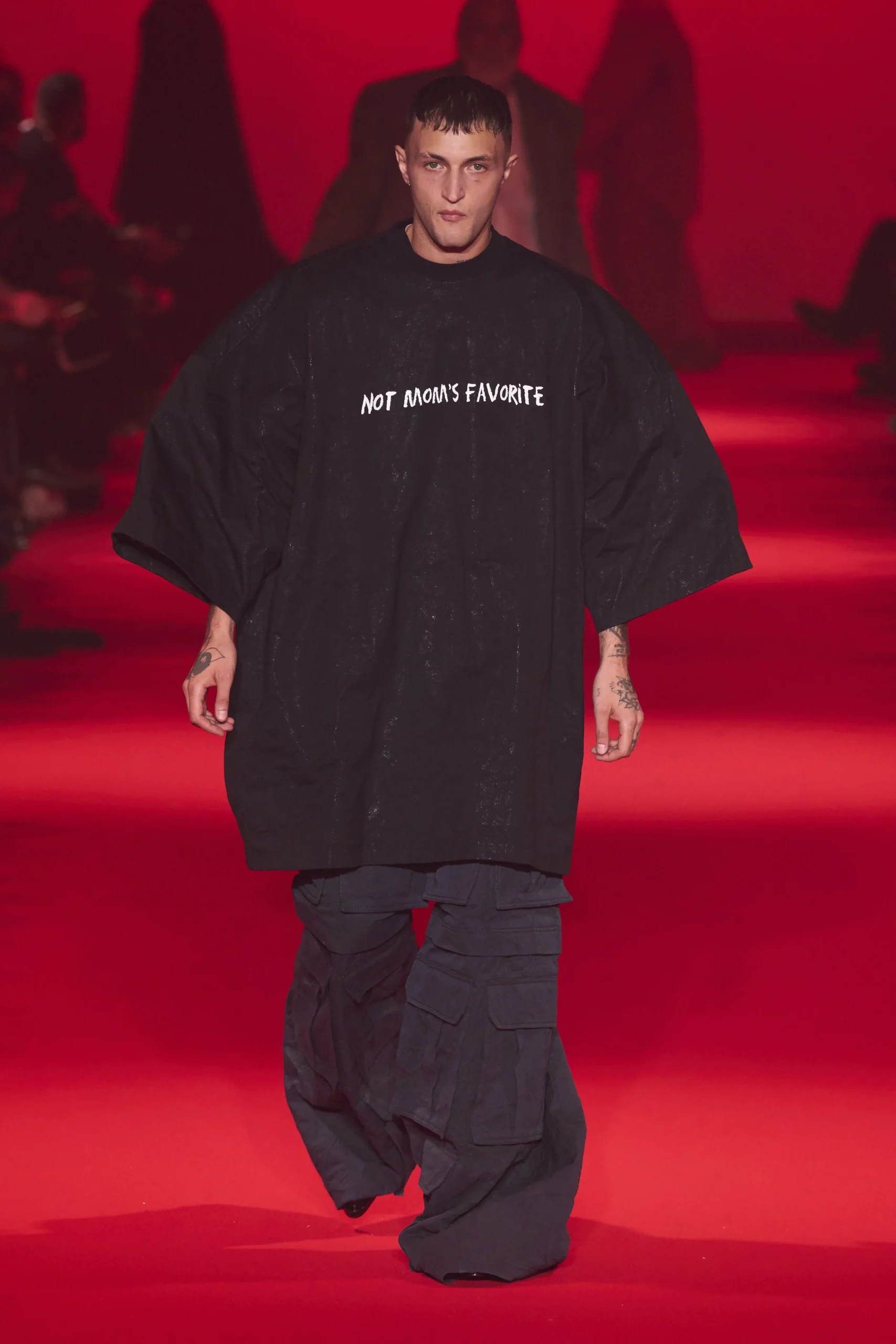
From my perspective, Vetements prices feel high because people compare them to hoodies, not to designer statements. Vetements doesn’t compete with streetwear brands—it competes with ideas.
Designer Positioning & Cultural Value
Vetements was founded by Demna and Guram Gvasalia, who redefined what streetwear could be in luxury fashion.
Their hoodies became famous because they:
- challenged what “luxury” looks like
- used irony as design
- blurred street and runway
- influenced the entire industry
Once a brand becomes a reference point, it’s no longer selling product—it’s selling authority.
That authority is priced in.
Production Complexity
Vetements garments are not simple basics.
They often involve:
- exaggerated pattern cutting
- oversized proportions that require special grading
- custom fabrics
- heavy-weight materials
- unconventional assembly
From a manufacturing standpoint, these pieces are harder to produce consistently than standard streetwear.
Complexity = cost.
Limited Scale & Distribution
Vetements doesn’t operate like mass-market brands.
- Small production runs
- High-end retail partners
- No volume-driven pricing
- Controlled availability
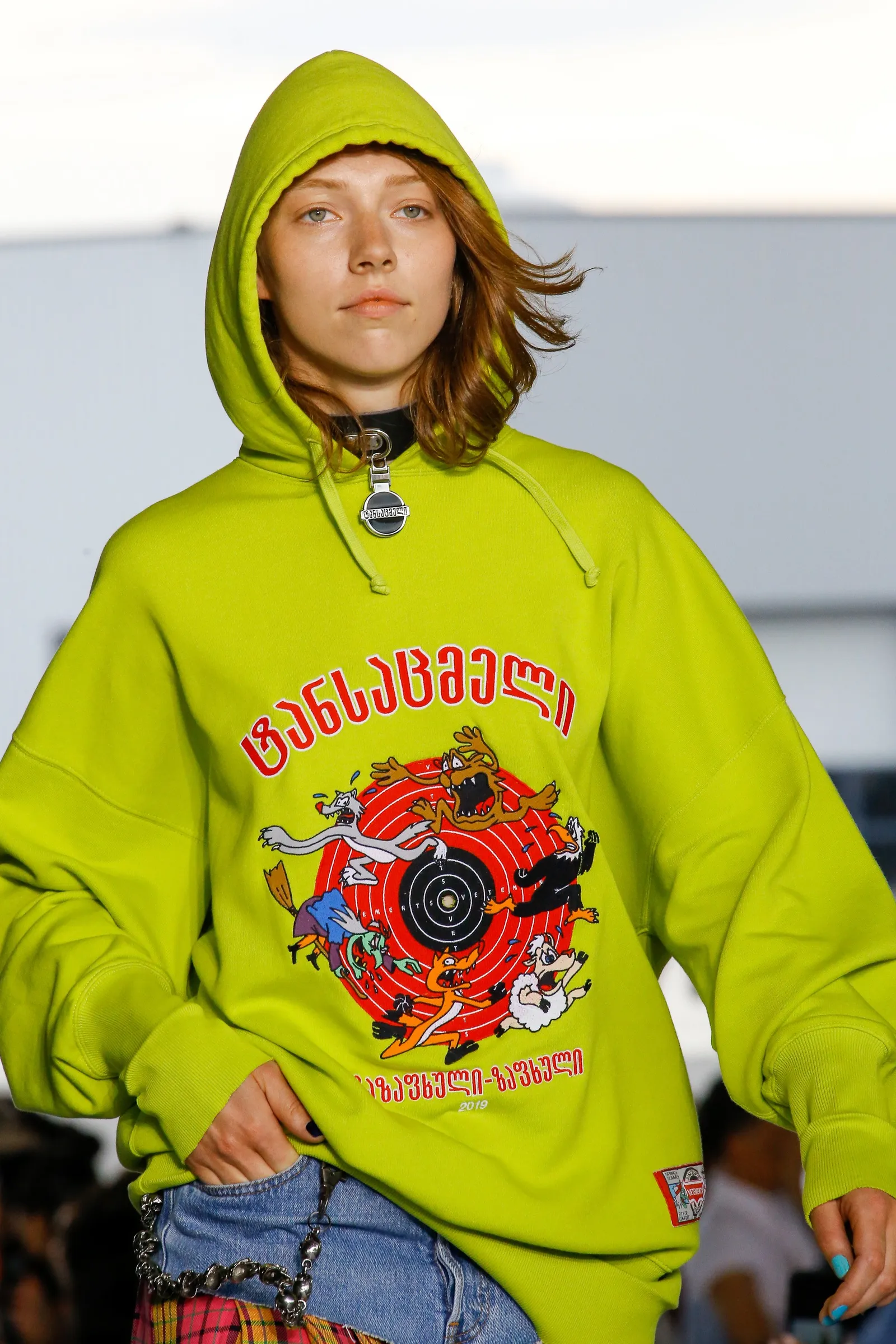
This means:
- higher per-unit cost
- no economy of scale
- premium retail margins
Scarcity isn’t an accident—it’s the business model.
Vetements vs Regular Streetwear
| Aspect | Vetements | Typical Streetwear |
|---|---|---|
| Positioning | Designer luxury | Trend-driven |
| Production | Small batches | Large volumes |
| Design goal | Cultural statement | Visual appeal |
| Pricing logic | Authority & concept | Cost + margin |
| Longevity | Archival value | Seasonal |
A Vetements hoodie is priced like a designer garment, not like merch.
Is Vetements “Worth It”?
It depends on why you buy clothes.
Vetements makes sense if you:
- collect cultural fashion
- value conceptual design
- see clothing as art
- care about authorship
It may not make sense if you:
- want everyday basics
- prioritize comfort
- dislike oversized fits
- buy for function only
From my experience, Vetements is for people who buy meaning, not just material.
FAQ
Are Vetements pieces made with better fabric?
Often yes, but the price is driven more by design and positioning than fabric alone.
Is Vetements considered luxury?
Yes. It operates in the luxury designer market.
Why are Vetements hoodies more expensive than other designer hoodies?
Because Vetements pioneered the category and holds cultural authority.
Does Vetements hold resale value?
Some pieces do, especially iconic seasons and graphics.
Conclusion
Vetements is expensive because it’s not selling “a hoodie.”
It’s selling:
- authorship
- cultural relevance
- design disruption
- limited access
From my perspective, the price isn’t about materials.
It’s about what the garment means.
And in fashion, meaning is the rarest resource.
Internal Reference
If you’re building oversized silhouettes, statement garments, or luxury streetwear products and want to understand how cost, design, and positioning intersect, explore fukiapparel for production insight.