
The first Rick Owens piece I ever handled felt different before I even looked at the price tag.
The fabric was heavier. The seams were unusual. The silhouette felt intentional—almost architectural.
That moment made me understand something important:
Rick Owens isn’t expensive because of a logo.
It’s expensive because it’s built like design equipment, not clothing.
So when people ask:
“Why are Rick Owens so expensive?”
They’re really asking what they’re paying for—and whether it’s worth it.
This article gives you a clear, practical answer.
Table of Contents
- Quick Answer
- What You’re Actually Paying For
- The Five Cost Drivers
- Rick Owens vs Mainstream Fashion
- Is Rick Owens Worth the Price?
- FAQ
- Internal Reference
Quick Answer
Rick Owens is expensive because:
- Materials are premium and unconventional
- Construction is complex and labor-heavy
- Production runs are small
- Manufacturing is mainly in Europe
- The brand sells design, not basics
You’re paying for form, engineering, and scarcity—not trend.
You can explore the full range at Rick Owens.
What You’re Actually Paying For
From a manufacturing perspective, Rick Owens garments are closer to industrial design than apparel.
Each piece is built to:
- Alter silhouette
- Change posture
- Create presence
- Age visually
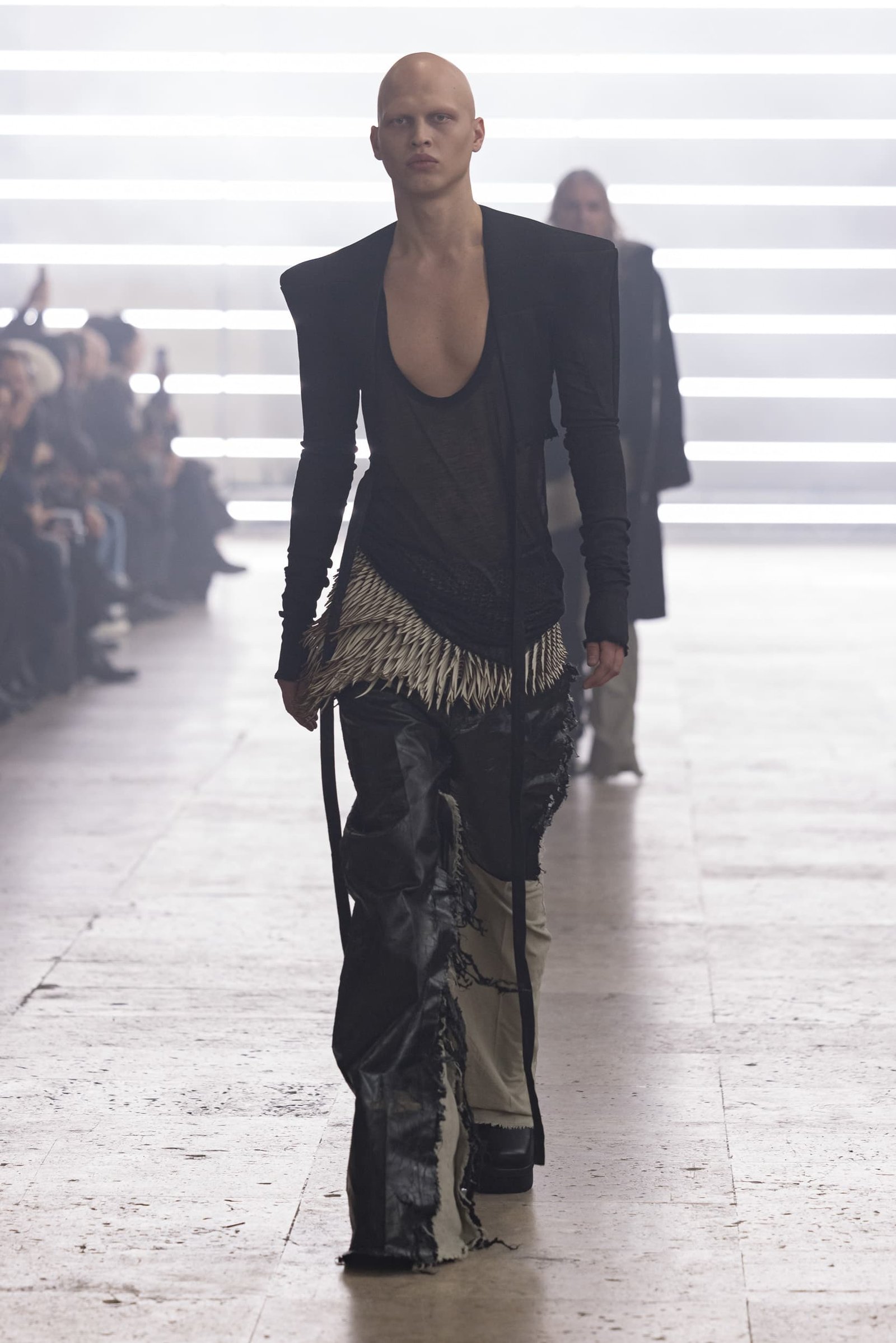
Most fashion aims to fit into life.
Rick Owens aims to reshape it.
That philosophy drives cost.
The Five Cost Drivers
Premium Materials
Rick Owens uses:
- Full-grain and vegetable-tanned leathers
- Heavyweight cottons
- Dense jersey and French terry
- Custom-milled fabrics
These cost significantly more than standard fashion textiles.
They’re chosen for:
- Weight
- Texture
- Aging behavior
- Structural integrity
Complex Construction
Many Rick Owens pieces include:
- Asymmetric panels
- Multi-piece pattern blocks
- Raw seam exposures
- Sculptural shaping
These require:
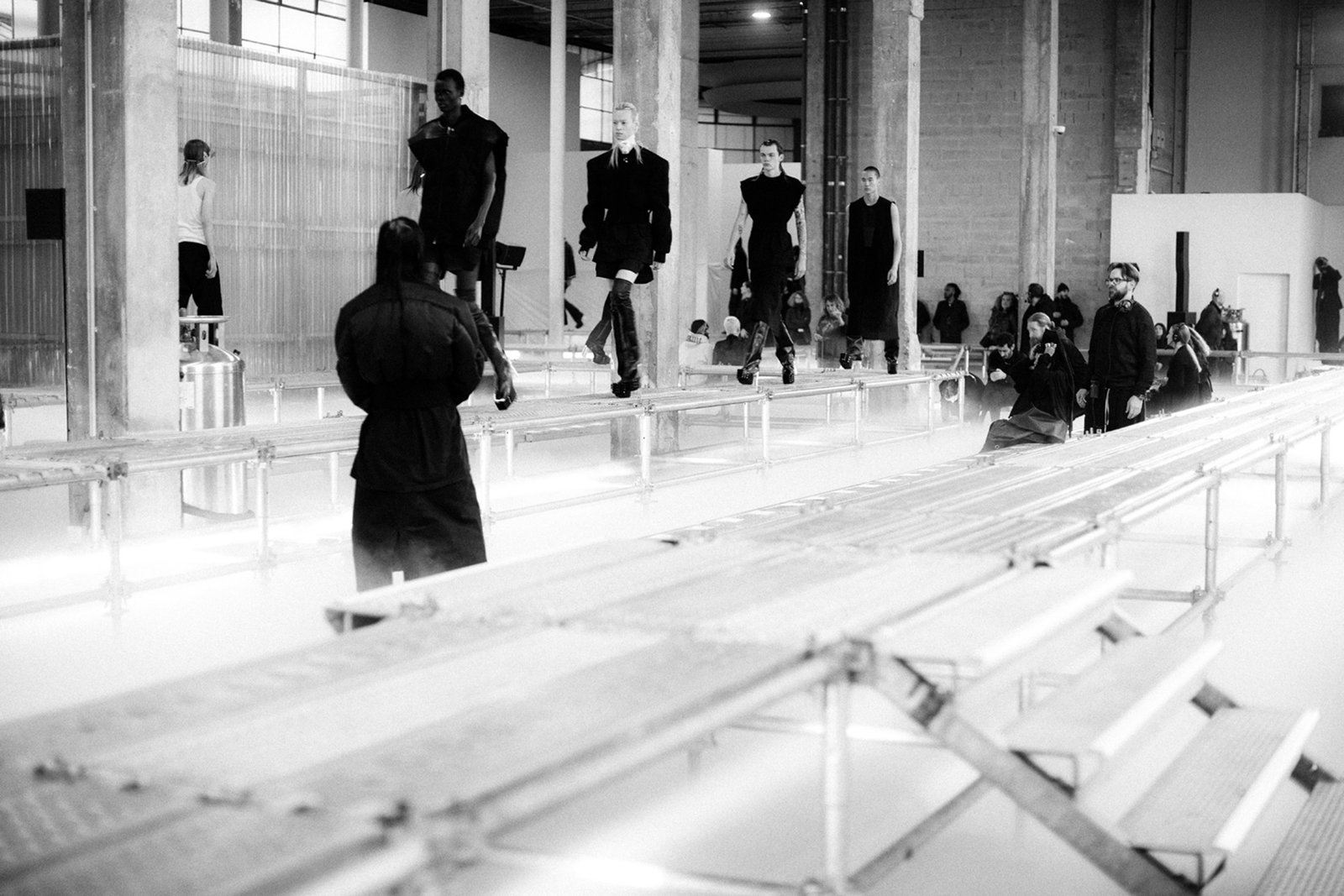
- More pattern development
- More cutting time
- More skilled labor
Complexity equals cost.
Low Production Volume
Rick Owens doesn’t mass-produce.
- Limited seasonal quantities
- Controlled retailer distribution
- No infinite restocks
Small runs mean:
- Higher unit cost
- Less manufacturing efficiency
- Built-in scarcity
That’s intentional.
European Manufacturing
Most Rick Owens production happens in:
- Italy
- France
- Eastern Europe
European factories provide:
- Skilled craftsmanship
- Higher labor standards
- Lower output speed
This dramatically increases cost compared to mass-market production in Asia.
Design-Led Value
You’re paying for:
- A coherent design universe
- Years of silhouette development
- Cultural positioning
- Artistic risk
Rick Owens doesn’t sell trends.
He sells a worldview.
That’s why his pieces stay relevant for years.
Rick Owens vs Mainstream Fashion
| Factor | Mainstream Brands | Rick Owens |
|---|---|---|
| Production Scale | Massive | Limited |
| Materials | Standardized | Custom & premium |
| Design Cycle | Trend-driven | Philosophy-driven |
| Manufacturing | Cost-optimized | Craft-focused |
| Product Lifespan | 1–2 seasons | Multi-year relevance |
Rick Owens competes with ideas, not price.
Is Rick Owens Worth the Price?
Rick Owens is worth it if you:
- Value design over trend
- Wear pieces long-term
- Want identity, not novelty
- Appreciate construction
- Build a consistent wardrobe
It may not be worth it if you:
- Rotate styles every season
- Prioritize price over form
- Prefer subtle fashion
- Treat clothing as disposable
Rick Owens is not for everyone.
That’s why it costs what it does.
FAQ
Is Rick Owens overpriced?
Not in production terms. It’s priced for its process.
Do cheaper alternatives exist?
Yes—but they copy shape, not construction.
Does Rick Owens hold value?
Many core pieces retain resale demand.
Internal Reference
If you’re building premium apparel or private-label collections and want to understand how design choices affect cost structure, explore our manufacturing approach at fukiapparel.