
I’ve owned and worn Arc’teryx beanies across different seasons, and I’ve also compared them directly with cheaper and similarly priced alternatives.
When people ask “Why are Arc’teryx beanies so expensive?”, they’re usually not questioning warmth alone—they’re questioning value.
This article breaks down exactly where the price comes from, in simple terms, and helps you decide whether that price makes sense for you.
Table of Contents
- Quick Answer
- Arc’teryx Is a Performance Brand First
- Material Choices That Increase Cost
- Fit, Testing, and Comfort Engineering
- Manufacturing Standards and Quality Control
- Brand Positioning and Market Demand
- Arc’teryx Beanies vs Cheaper Alternatives
- When an Arc’teryx Beanie Is Worth the Price
- FAQ
- Conclusion
Quick Answer
Arc’teryx beanies are expensive because they’re built as technical outdoor equipment, not fashion accessories.
You’re paying for advanced materials, fit testing, durability, and a performance-first design philosophy, not just a logo.
Arc’teryx Is a Performance Brand First
Arc’teryx began as a technical outdoor brand, not a lifestyle label.
Official brand reference:
https://arcteryx.com/
What this means for pricing
- Products are designed for real environments
- Performance matters more than trends
- Costs are justified by function, not aesthetics
Unlike fashion brands that add price for image, Arc’teryx builds price around utility and reliability.
Material Choices That Increase Cost
Materials are one of the biggest cost drivers.
Common Arc’teryx beanie materials
- Merino wool (odor-resistant, breathable)
- Technical synthetic blends
- Durable yarns designed for repeated wear
| Material Feature | Cost Impact |
|---|---|
| Merino sourcing | High |
| Moisture control | Medium–High |
| Long-term durability | High |
These materials are significantly more expensive than standard acrylic yarns.
Fit, Testing, and Comfort Engineering
This is where many people underestimate the cost
Arc’teryx beanies are:
- Fit-tested on real users
- Designed to work under helmets and hoods
- Balanced for warmth without overheating
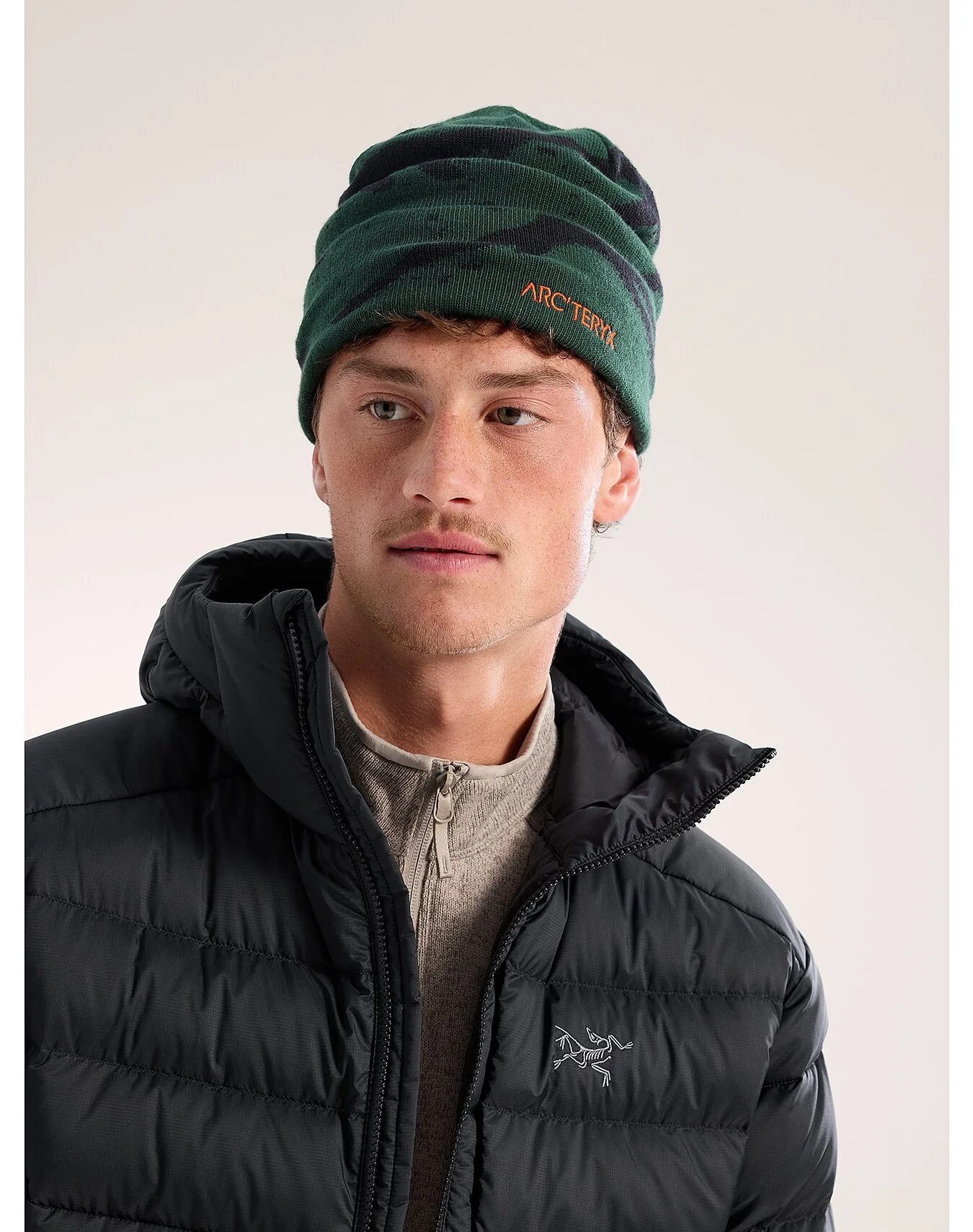
That testing process adds:
- Development time
- Sampling costs
- Real-world performance feedback
Most cheap beanies skip this entirely.
Manufacturing Standards and Quality Control
Arc’teryx is known for tight quality control, even on simple items.
What that includes
- Consistent stitch tension
- Shape retention after washing
- Colorfastness and durability testing
| Area | Arc’teryx Standard |
|---|---|
| Stitch consistency | High |
| Shape retention | Strong |
| Defect tolerance | Low |
Higher standards mean higher rejection rates, which increase unit cost.
Brand Positioning and Market Demand
Arc’teryx now sits at the intersection of:
- Outdoor performance
- Urban commuting
- Minimalist streetwear

This expanded demand allows Arc’teryx to:
- Maintain premium pricing
- Avoid racing to the bottom
- Invest more in product development
Popularity didn’t create the price—but it supports it.
Arc’teryx Beanies vs Cheaper Alternatives
| Brand | Typical Price (USD) | Core Difference |
|---|---|---|
| Arc’teryx | $40 – $60 | Technical performance |
| Patagonia | $35 – $55 | Sustainability focus |
| Carhartt | $20 – $30 | Heavier, workwear style |
| The North Face | $30 – $45 | Lifestyle branding |
| Uniqlo | $10 – $20 | Basic warmth |
Key takeaway:
Arc’teryx beanies cost more because they’re engineered, not simplified.
When an Arc’teryx Beanie Is Worth the Price
An Arc’teryx beanie makes sense if you:
- Spend time outdoors in cold weather
- Commute daily in winter
- Want one beanie that does everything
- Prefer subtle, long-lasting design
It may not be worth it if you:
- Only need light warmth
- Want bold branding
- Prioritize lowest cost
FAQ
Are Arc’teryx beanies overpriced?
They’re expensive, but not overpriced if you value performance and comfort.
Do they last longer than cheap beanies?
In most cases, yes—especially in shape retention and wear consistency.
Is the price mostly for the brand name?
Brand plays a role, but materials and testing are the main drivers.
Can cheaper beanies do the same job?
For casual use, yes. For active or cold environments, often not.
Conclusion
So, why are Arc’teryx beanies so expensive?
Because you’re paying for:
- Technical materials
- Fit and comfort engineering
- Strict quality control
- Performance-first design
They’re priced as outdoor equipment, not accessories.
If that matches how you use a beanie, the cost makes sense.
Internal Reference
For readers curious how performance accessories are designed, tested, and produced from a manufacturing perspective: 👉 FuKi Apparel.