If you’ve searched “Who Decides War logo”, you’re probably trying to understand what this symbol really means—and why it feels more emotional than a typical streetwear logo.
From my experience working in branding and apparel development, most logos are designed to be:
- clean
- repeatable
- instantly recognizable
The Who Decides War logo does the opposite.
It’s not designed to be perfect.
It’s designed to feel human.
Table of Contents
- Quick Answer
- What Is the Who Decides War Logo?
- The Meaning Behind the Symbol
- Why the Logo Feels Different
- How the Logo Is Used on Clothing
- Who Decides War Logo vs Traditional Fashion Logos
- Who This Logo Speaks To
- FAQ
- Conclusion
- Internal Reference
Quick Answer
The Who Decides War logo is not just a brand mark.
It’s a symbol of struggle, repair, and identity.
Instead of representing perfection or luxury, it reflects the brand’s core idea:
Clothing should carry history, emotion, and meaning.
What Is the Who Decides War Logo?
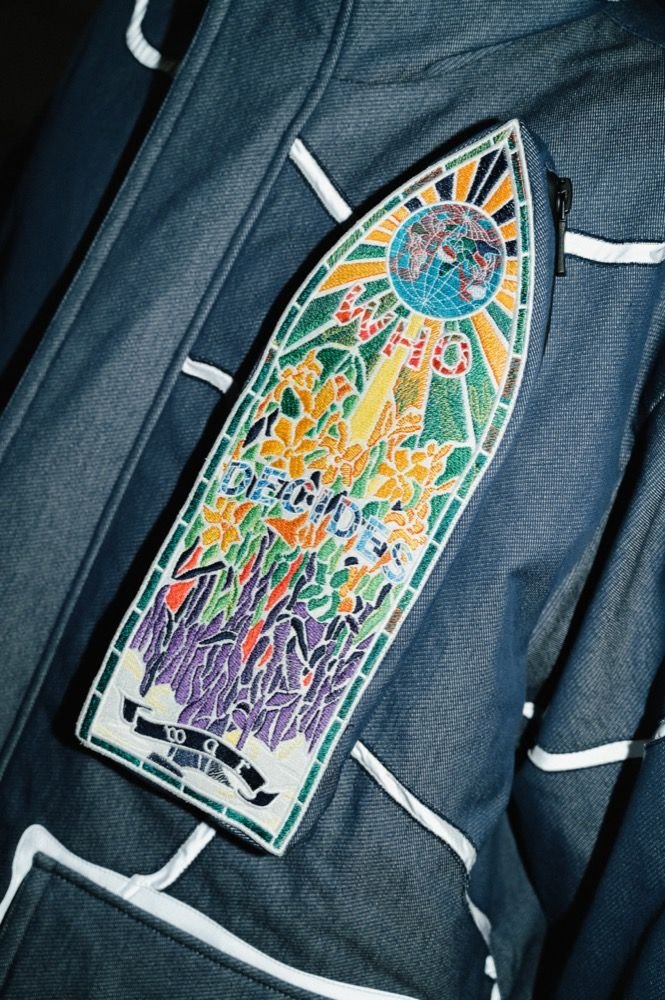
The logo is often presented in:
- raw typography
- imperfect placement
- stitched or distressed forms
- hand-applied or irregular layouts
Official site:
👉 Who Decides War
From my perspective, the logo behaves more like a mark of experience than a corporate symbol.
It feels closer to a scar than a stamp.
The Meaning Behind the Symbol
Identity Over Perfection
Most fashion logos communicate:
- polish
- control
- status
The Who Decides War logo communicates:
- history
- survival
- transformation
Its roughness symbolizes:
- damage
- repair
- rebirth
That’s why it resonates emotionally.
It doesn’t promise perfection.
It reflects reality.
Why the Logo Feels Different
A Logo That Rejects Perfection
Traditional logos aim for:
- symmetry
- balance
- consistency
- instant legibility
Who Decides War embraces:
- uneven placement
- visible stitching
- worn textures
- imperfection
Instead of saying:
“Look how refined this is”
It says:
“Look what this has lived through”
That’s extremely rare in fashion branding.
How the Logo Is Used on Clothing
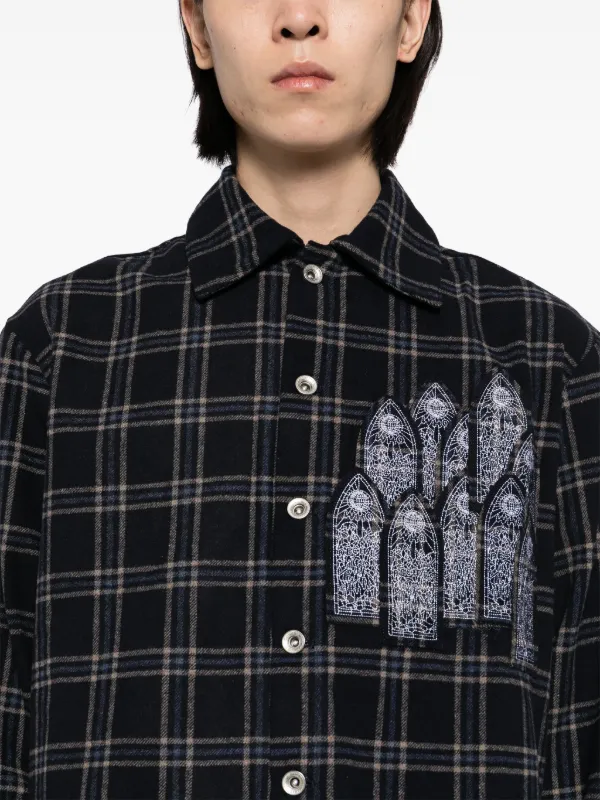
The logo is not just printed—it’s integrated into the garment.
Common applications include:
- stitched like a repair
- faded into fabric
- burned or distressed
- placed off-center
- layered into patchwork
From a manufacturing perspective:
- no two pieces are identical
- placement feels intentional, not templated
- the logo becomes part of the garment’s narrative
It’s not decoration.
It’s storytelling.
Who Decides War Logo vs Traditional Fashion Logos
| Factor | Who Decides War | Traditional Fashion |
|---|---|---|
| Purpose | Meaning & emotion | Recognition & status |
| Style | Raw & imperfect | Clean & polished |
| Placement | Irregular | Standardized |
| Identity | Human | Corporate |
| Message | “I’ve lived.” | “I’m premium.” |
One is built to connect.
The other is built to signal.
Who This Logo Speaks To
It resonates with you if you:
- see clothing as self-expression
- value meaning over polish
- connect with emotional design
- treat fashion as culture
It may not resonate if you:
- prefer clean luxury aesthetics
- expect symmetry and perfection
- view logos mainly as status
- dislike distressed visuals
From my experience:
People don’t just notice this logo.
They either feel it—or they don’t.
FAQ
Is the Who Decides War logo a luxury symbol?
Not exactly. It’s better described as a cultural and emotional symbol.
Does the logo change between garments?
Yes. It’s intentionally applied in varied ways.
Why does it look damaged?
Because damage and repair are central to the brand’s message.
Is it meant to be subtle?
It’s meant to be felt—not just seen.
Conclusion
The Who Decides War logo is not designed for perfection.
It is designed to represent:
- experience
- identity
- transformation
Through texture, imperfection, and placement, it communicates something deeper than branding.
From my perspective:
It doesn’t say “Look at my brand.”
It says “This means something.”
And in streetwear, that meaning is everything.
Internal Reference
👉 FuKi Apparel – Custom Apparel Development & Branding
We help brands translate expressive design, custom logo applications, and identity-driven concepts into scalable production—without losing meaning.