
As someone who has followed streetwear culture for years — from Shepard Fairey’s early poster work to OBEY’s rise as a global lifestyle brand — I often get asked:
“What does OBEY actually mean?”
“Is there a deeper message behind the brand?”
The short answer: Yes. OBEY is more than a logo — it’s a message about questioning authority, understanding propaganda, and thinking for yourself.
Below is the simple, beginner-friendly explanation.
Table of Contents
- Quick Answer
- 1. The true origin of OBEY clothing
- 2. What the word “OBEY” actually means in the brand
- 3. How OBEY uses irony and social commentary
- 4. Why OBEY became popular worldwide
- 5. Who OBEY is designed for today
- 6. Should you wear OBEY? My honest advice
- Comparison Table: OBEY vs. Other Streetwear Messages
- FAQ
- Conclusion
- Work With a Reliable Streetwear OEM Partner
Quick Answer
OBEY clothing is based on Shepard Fairey’s art project “Obey Giant,” which encourages people to question authority, challenge social messaging, and recognize propaganda.
The word “OBEY” is intentionally ironic — instead of telling you to obey, the brand wants you to ask:
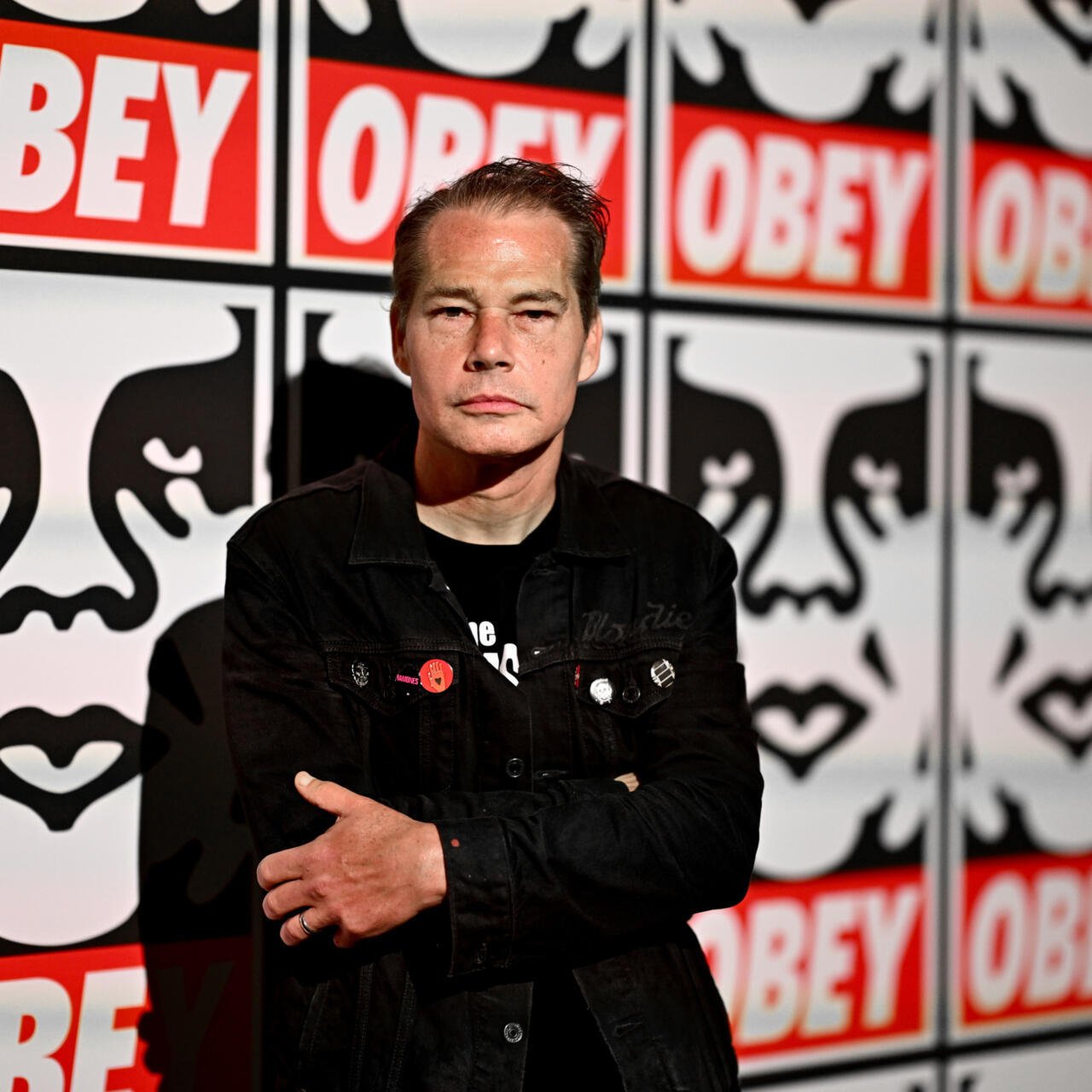
“Why am I being told to obey?”
1. The true origin of OBEY clothing
OBEY began as an underground street art movement in the late 1980s, created by artist Shepard Fairey, who later designed the famous Obama “HOPE” poster.
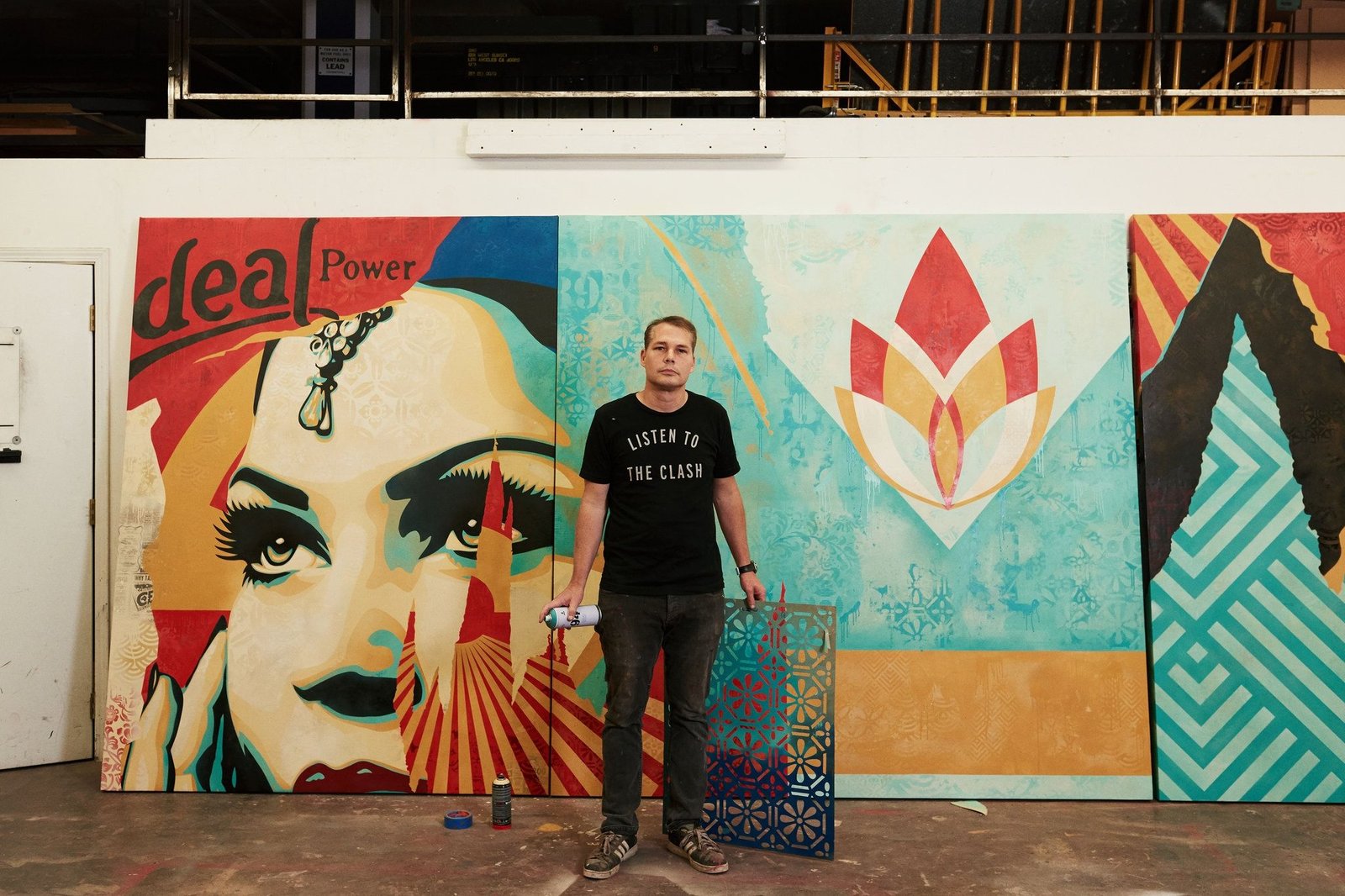
The project started with:
- stickers
- posters
- murals of wrestler Andre the Giant
The unusual imagery was meant to interrupt your thinking and make you aware of the power structures around you.
OBEY didn’t start as a fashion brand —
it started as a social experiment.
2. What the word “OBEY” actually means in the brand
Here’s the part many people misunderstand.
OBEY is not about obedience.
It’s about questioning obedience.
The word is bold, simple, and designed to mimic authoritative messaging — like propaganda posters or political slogans.
Fairey used “OBEY” to ask people:
- Why do we follow rules?
- Who created these rules?
- Are we aware of the systems around us?
So the meaning is anti-authoritarian, not authoritarian.
3. How OBEY uses irony and social commentary
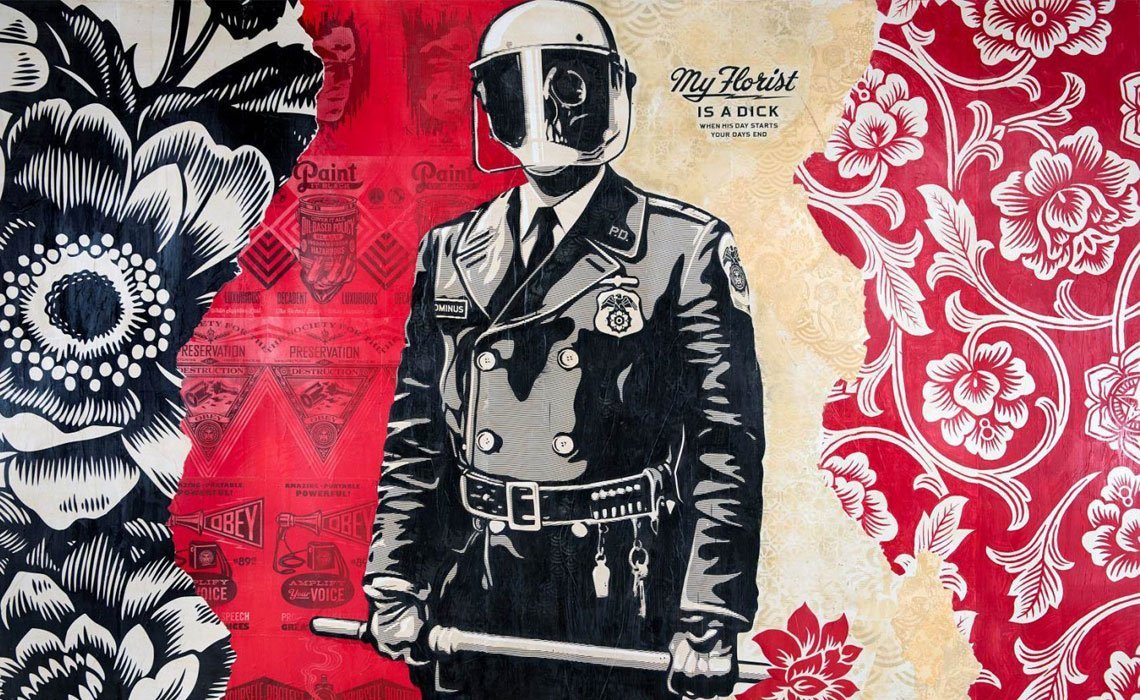
OBEY clothing intentionally plays with symbols, colors, and messaging often used by:
- advertising
- governments
- corporations
- propaganda systems
But instead of telling you what to think, OBEY wants you to think about why these symbols exist.
Key themes in OBEY:
- resistance
- awareness
- rebellion
- power structures
- media influence
This is why many OBEY pieces feel bold, political, or disruptive.
4. Why OBEY became popular worldwide
From my experience watching trends evolve, OBEY exploded because it offered something different from mainstream streetwear.
Why people connected with it:
- strong graphic design
- deep political meaning
- recognizable branding
- counterculture identity
- alignment with music, skate, and art communities
OBEY wasn’t just fashion —
it was a message you could wear.
5. Who OBEY is designed for today
OBEY remains relevant in 2025, especially among:
✔ People who appreciate art-driven streetwear
The brand’s identity is rooted in graphic design and political art.
✔ Skaters & creative communities
OBEY has long-standing influence in skate culture.
✔ Buyers who want fashion with meaning
It’s perfect for people tired of “logo-only” branding.
✔ Fans of activism, counterculture, and social commentary
OBEY clothing naturally aligns with political expression.
6. Should you wear OBEY? My honest advice
Wear OBEY if you:
- enjoy meaningful streetwear
- appreciate bold graphics
- resonate with anti-authoritarian ideas
- want clothing with cultural depth
Maybe skip it if you:
- prefer minimalist clothing
- don’t want political or bold visuals
- want hype-driven brands instead of message-driven ones
OBEY is for people who like wearing statements, not just outfits.
Comparison Table: OBEY vs. Other Streetwear Messages
| Brand | Core Meaning | Message Style | Why It’s Different |
|---|---|---|---|
| OBEY | Question authority | Political & ironic | Art-first, not trend-first |
| Supreme | Skate culture credibility | Rebellious but casual | More lifestyle-driven |
| Stüssy | Surf + street heritage | Relaxed identity | Not political |
| ASSC | Emotional mood + identity | Personal expression | Less social commentary |
OBEY is unique because it blends politics, art, and streetwear.
FAQ
What does OBEY actually represent?
Awareness, resistance, and questioning authority.
Is OBEY political?
Yes — much of its messaging challenges propaganda and power structures.
Why is Andre the Giant used in the designs?
He symbolizes how meaningless imagery can become powerful when repeated — just like propaganda.
Is OBEY still relevant today?
Absolutely. Modern youth culture, skate communities, and art-driven fashion all keep the brand alive.
Conclusion
OBEY stands for something deeper than logos or hype cycles.
Its meaning comes from Shepard Fairey’s mission to make people think, challenge systems, and recognize how messaging shapes society.
In a world full of branding, OBEY reminds us to question the messages we consume — including the ones on our clothing.
Work With a Reliable Streetwear OEM Partner
If you're building an art-driven or message-driven streetwear label and need reliable production, OEM/ODM support, and low MOQs, you can work with us here:
We help brands develop hoodies, tees, graphics, and full streetwear collections with consistent quality and global shipping.