
If you’ve ever wondered “What is the design philosophy behind Stone Island jackets?”, you’re really asking why these jackets feel so different from everything else on the street.
From my experience working with outerwear factories and technical garments, most brands design how a jacket looks first.
Stone Island designs how a jacket behaves.
That shift—from style to system—is the core of the brand.
Stone Island doesn’t make fashion jackets.
It builds wearable technology.
Table of Contents
- Quick Answer
- Material First, Not Style First
- Garment as a System
- Why Dyeing Happens After Construction
- Function Creates Identity
- Stone Island vs Traditional Outerwear Brands
- What This Means for Buyers
- FAQ
- Conclusion
- Internal Reference
Quick Answer
Stone Island’s design philosophy is built around fabric innovation, not fashion trends.
Every jacket starts with a question:
“What if fabric could react, protect, adapt, or evolve?”
The silhouette comes after the material.
That’s why Stone Island jackets feel:
- engineered
- technical
- system-driven
—not just styled.
Material First, Not Style First
Most brands follow this process:
- Trend
- Sketch
- Fabric selection
- Production
Stone Island flips it:
- Fabric research
- Coating experiments
- Dye behavior testing
- Pattern built around the material
Official site:
👉 Stone Island
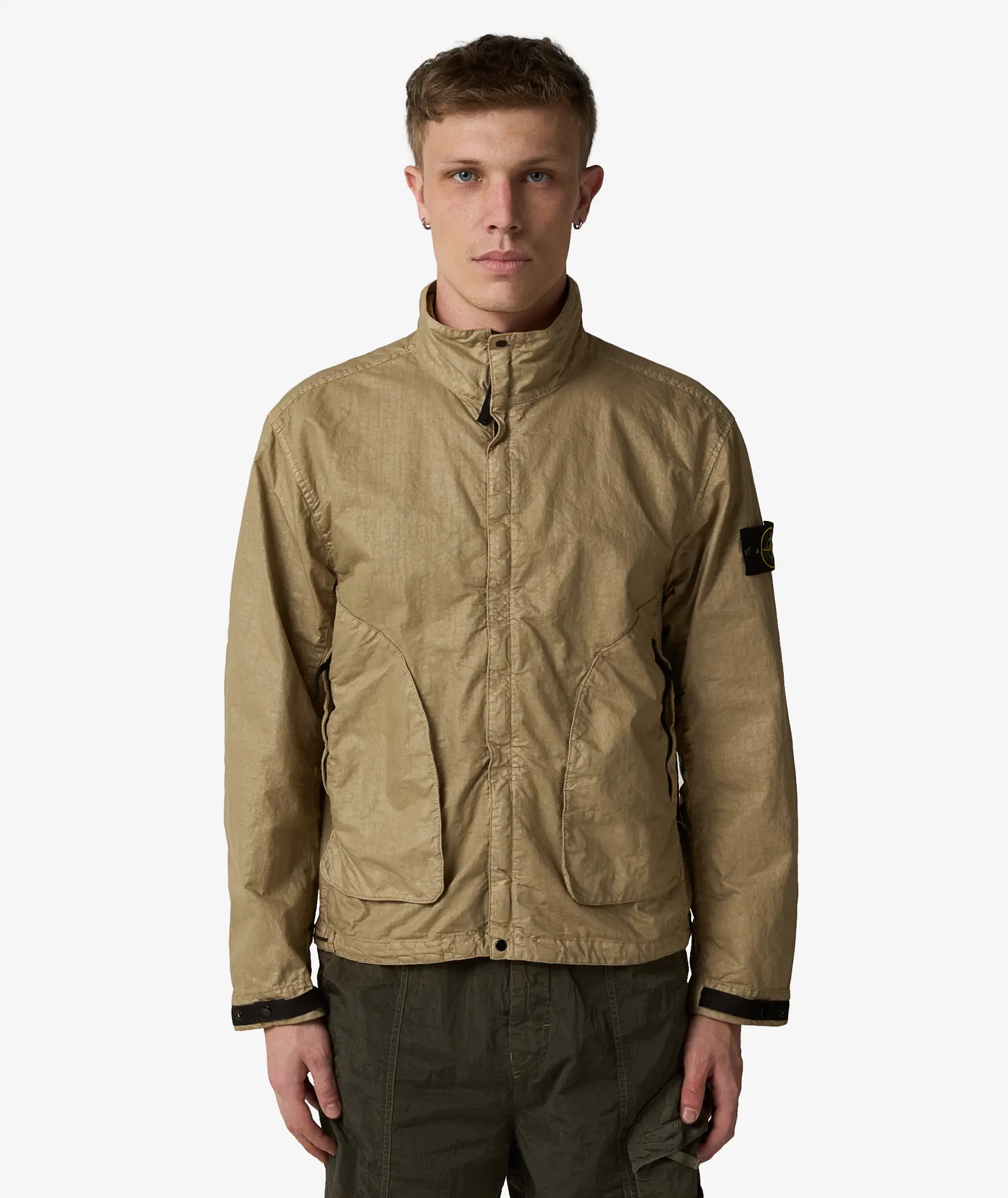
From a production perspective, this means:
- patterns adapt to fabric limits
- seams respond to stress behavior
- garments serve the textile
The jacket exists because the material exists.
Garment as a System
Stone Island treats jackets like equipment, not clothing.
Each piece answers:
- What environment is this for?
- What problem does it solve?
- How does the material behave?
This leads to:
- shell systems
- liner systems
- modular construction
- detachable components
A Stone Island jacket isn’t just a layer.
It’s a functional system.
Why Dyeing Happens After Construction
Stone Island is known for garment dyeing—coloring the jacket after it’s fully constructed.
This creates:
- uneven tones
- depth at seams
- natural aging
- unique texture
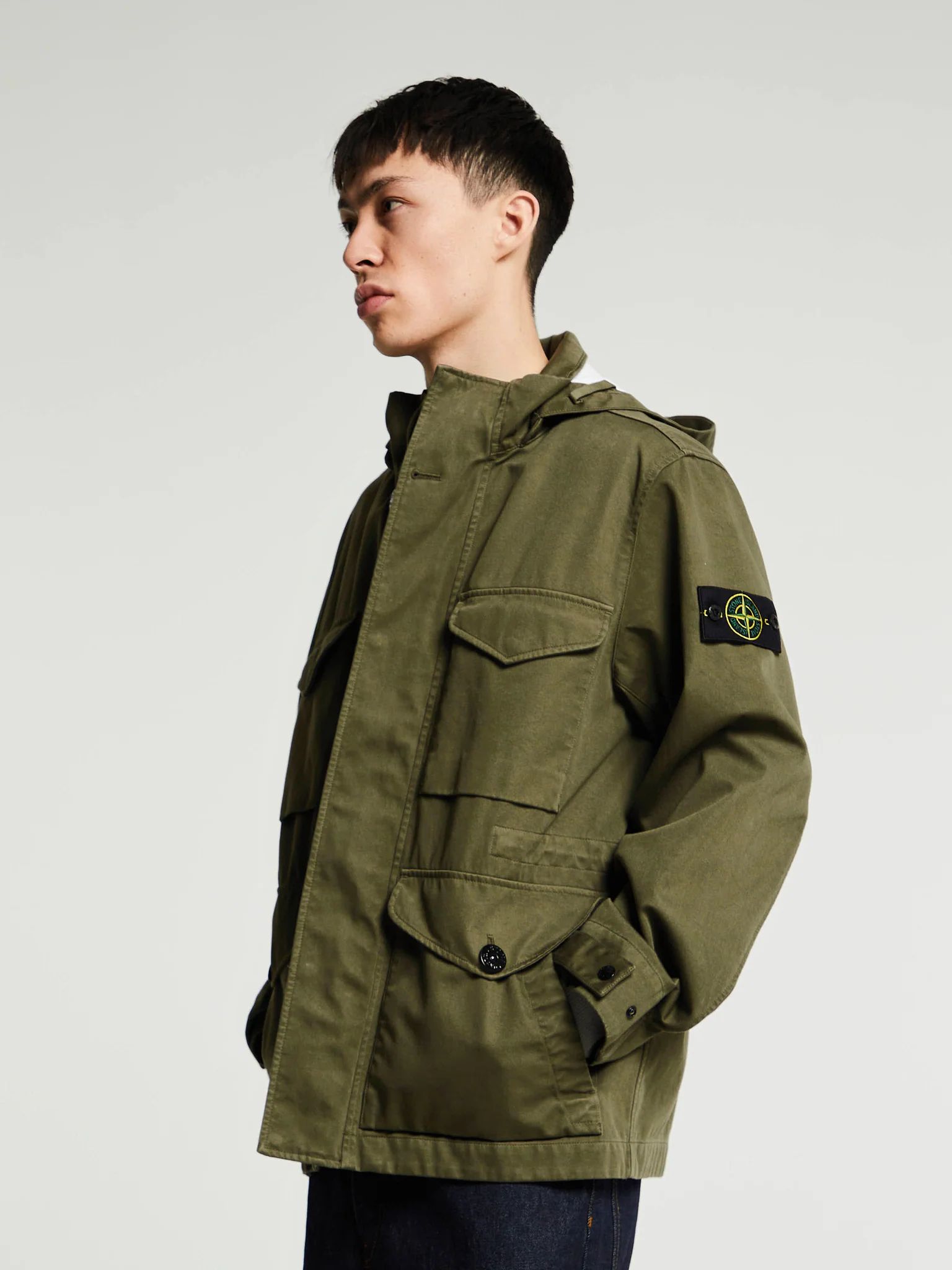
From my experience, this process is:
- expensive
- unpredictable
- technically risky
Because:
- zippers react differently
- threads absorb unevenly
- coatings can fail
Most brands avoid it.
Stone Island embraces it.
Imperfection becomes identity.
Function Creates Identity
In Stone Island, performance is branding.
Examples:
- color-changing fabrics → emotional impact
- reflective materials → safety + visibility
- coated nylons → weather resistance
- dense canvas → durability
The brand doesn’t ask:
“How should this look?”
It asks:
“What should this do?”
Style becomes a byproduct of function.
Stone Island vs Traditional Outerwear Brands
| Approach | Stone Island | Traditional Brands |
|---|---|---|
| Starting point | Fabric science | Seasonal trends |
| Design driver | Material behavior | Visual style |
| Production | Engineered systems | Standard assembly |
| Identity | Performance | Aesthetics |
| Longevity | System-based | Trend-based |
Stone Island evolves like technology, not fashion.
What This Means for Buyers
Stone Island is for you if you:
- value construction quality
- care about material performance
- prefer long-term pieces
- enjoy technical detail
It may not suit you if you:
- follow trend cycles
- prefer minimalist basics
- want ultra-light garments
- avoid visible branding
You don’t buy Stone Island to look current.
You buy it to wear a system.
FAQ
Is Stone Island more fashion or technology?
Technology first. Fashion follows.
Why are Stone Island jackets expensive?
Because many fabrics are developed from scratch.
Are they practical?
Yes. Every piece is built for real-world function.
Do other brands work this way?
Very few. Most rely on existing textiles.
Conclusion
The philosophy behind Stone Island is simple—but radical:
Fabric is the hero. The jacket is the interface.
From my perspective, that’s why the brand lasts.
It doesn’t chase trends.
It builds systems you can wear.
Internal Reference
👉 FuKi Apparel – Technical Garment Development & Manufacturing
Explore how fabric innovation, coating techniques, and garment systems can be translated into scalable production without losing performance or identity.