
This is one of the most common questions people ask after seeing Hellstar for the first time:
“It looks dark, spiritual, even religious… but what does Hellstar actually represent?”
I’ve worked closely with streetwear brands and cultural positioning, and Hellstar is a strong example of symbol-driven fashion—where meaning matters more than explanation.
Here’s the clearest, no-nonsense breakdown.
Table of Contents
- Quick Answer
- The Core Meaning Behind Hellstar
- Why Hellstar Uses Heaven & Hell Imagery
- What Hellstar Is Not Representing
- Hellstar as Cultural Symbol vs Clothing Brand
- How to Interpret Hellstar as a Wearer
- Symbol Comparison Table
- FAQ
- Conclusion
- Internal Reference
Quick Answer
Hellstar represents inner conflict, identity, and contrast.
It symbolizes:
- Light vs darkness
- Good vs evil
- Struggle vs belief
- Pain vs purpose
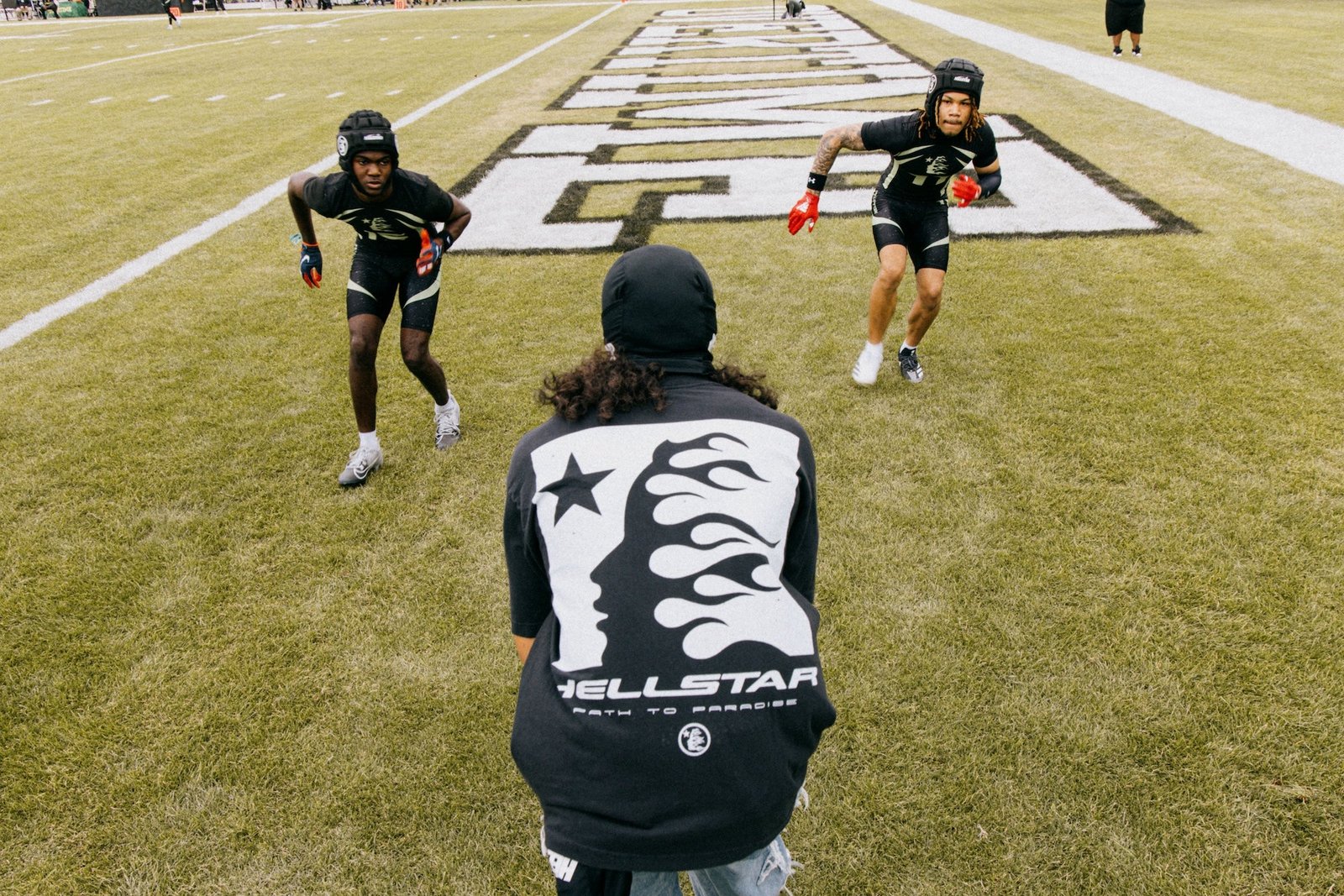
Hellstar isn’t about religion or shock value.
It’s about human tension—made visible through symbols.
The Core Meaning Behind Hellstar
At its core, Hellstar represents the idea that everyone carries both darkness and light.
From a branding perspective, the name itself is intentional:
- “Hell” → struggle, pain, reality, chaos
- “Star” → hope, guidance, aspiration, meaning
Together, Hellstar suggests:
finding direction inside struggle, not outside it.
That’s why the brand resonates strongly with people who see clothing as emotional expression—not just outfits.
Why Hellstar Uses Heaven & Hell Imagery
Hellstar frequently uses:
- Angels
- Flames
- Crosses
- Cosmic symbols
- Apocalyptic language
But these aren’t used in a literal religious sense.
They function as visual metaphors—tools to communicate emotion quickly.
Streetwear platforms like Hypebeast and Highsnobiety often describe brands like Hellstar as symbol-first, meaning the imagery creates feeling before explanation.
What Hellstar Is Not Representing
To be clear, Hellstar does not represent:
- A religious movement
- Catholic or Christian doctrine
- Anti-religious messaging
- Shock for shock’s sake
There is no official faith alignment or belief system behind the brand.
Hellstar uses contrast, not commandments.
Hellstar as Cultural Symbol vs Clothing Brand
Hellstar works less like traditional apparel and more like a cultural symbol.
| Aspect | Traditional Brand | Hellstar |
|---|---|---|
| Focus | Product utility | Emotional meaning |
| Imagery | Decorative | Symbolic |
| Messaging | Clear | Open to interpretation |
| Buyer intent | Style | Identity |
| Longevity | Trend-based | Culture-driven |
This is why people ask what Hellstar means—not just what it costs.
How to Interpret Hellstar as a Wearer
From my experience, Hellstar resonates most when you:
- See fashion as self-expression
- Accept ambiguity in design
- Relate to themes of struggle and growth
- Don’t need literal explanations
It may feel confusing if you:
- Prefer straightforward branding
- Avoid dark or spiritual imagery
- Expect brands to explain themselves
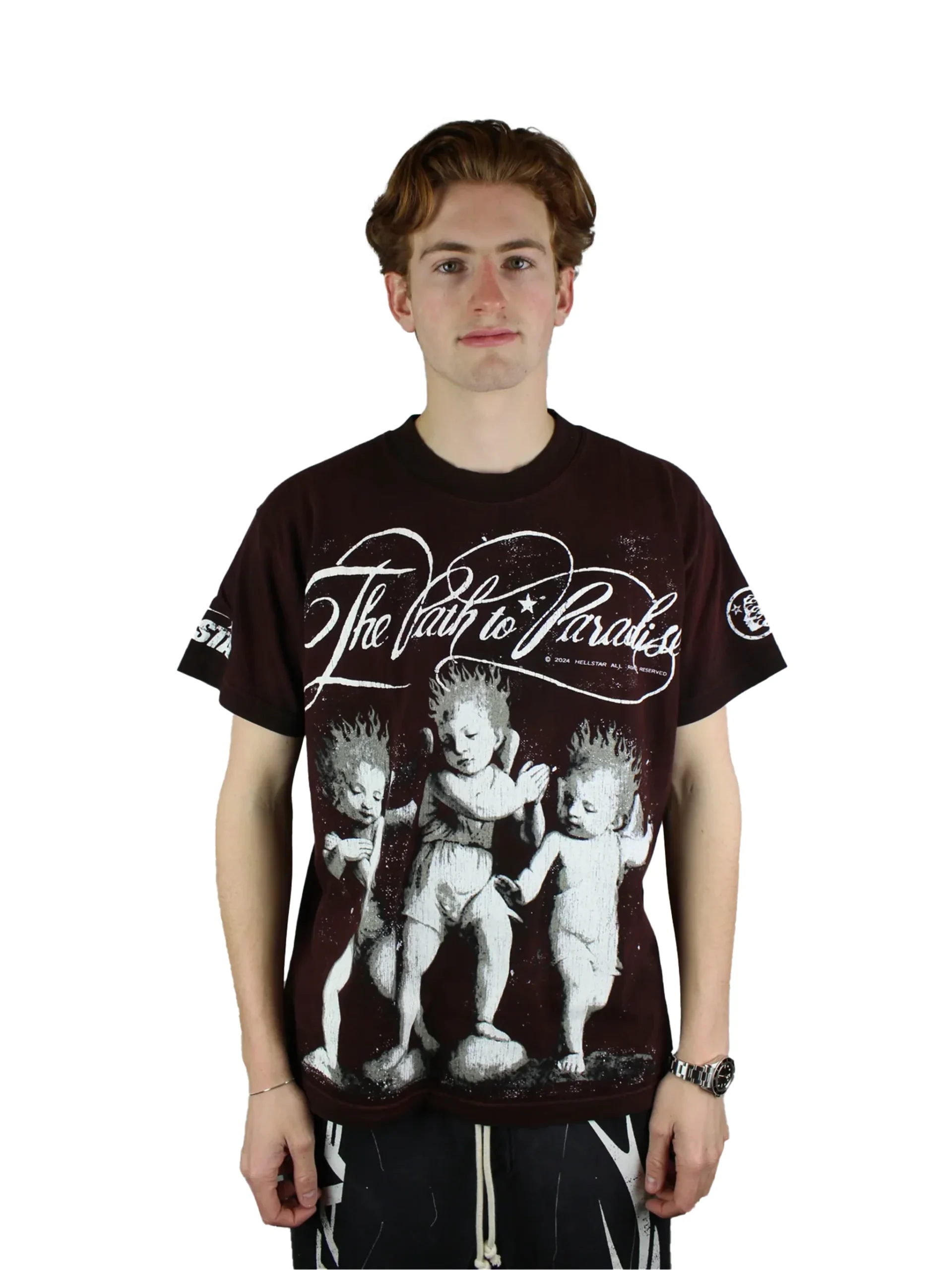
Hellstar intentionally leaves space for interpretation.
Symbol Comparison Table
| Symbol Type | Meaning in Hellstar |
|---|---|
| Hell | Reality, struggle, pain |
| Star | Hope, direction, belief |
| Angel imagery | Duality, conflict |
| Fire | Transformation |
| Darkness | Truth, not fear |
Nothing is random—but nothing is spelled out.
FAQ
Is Hellstar religious?
No. It uses religious symbolism, not religious belief.
Is Hellstar meant to be controversial?
Not intentionally. It’s meant to be expressive.
Why do people connect so deeply with Hellstar?
Because the symbols reflect internal experiences many people share.
Conclusion
So—what does Hellstar represent?
Hellstar represents the tension of being human.
It’s about:
- Living with contradiction
- Finding meaning in struggle
- Wearing what you feel, not just what you see
In modern streetwear, the strongest brands don’t explain everything.
They let people see themselves in the symbol.
Internal Reference
If you’re building a brand rooted in symbolism, culture, and emotional meaning—and want to translate that into real, wearable products—understanding this balance is critical.
Explore how culture-driven apparel brands are developed at
👉 fukiapparel
Because the best brands don’t just sell clothes.
They represent something.