
Short answer: Most podiatrists agree that Converse shoes are not ideal for long-term foot health, but they can be worn occasionally if you understand their limitations and use them correctly.
In this guide, I’ll break down what podiatrists actually say about Converse, why they raise concerns, and when (and how) it’s still okay to wear them — based on real foot-health principles, not hype.
Table of Contents
- Quick Answer
- What Podiatrists Think About Converse Shoes
- Why Podiatrists Don’t Recommend Converse for Daily Wear
- When Converse Can Be Okay to Wear
- Common Foot Problems Linked to Converse
- Converse vs Supportive Shoes
- How to Make Converse More Foot-Friendly
- FAQ
- Conclusion
- Internal Reference
Quick Answer
Most podiatrists do not recommend Converse for everyday wear.
They lack arch support, cushioning, and shock absorption — all essential for foot health.
That said, they’re usually fine for short periods or casual use if you don’t have existing foot problems.
What Podiatrists Think About Converse Shoes
From discussions with foot specialists and clinical sources, podiatrists generally agree on three points:
- Converse are flat and minimally supportive
- They provide little shock absorption
- They can contribute to foot strain over time
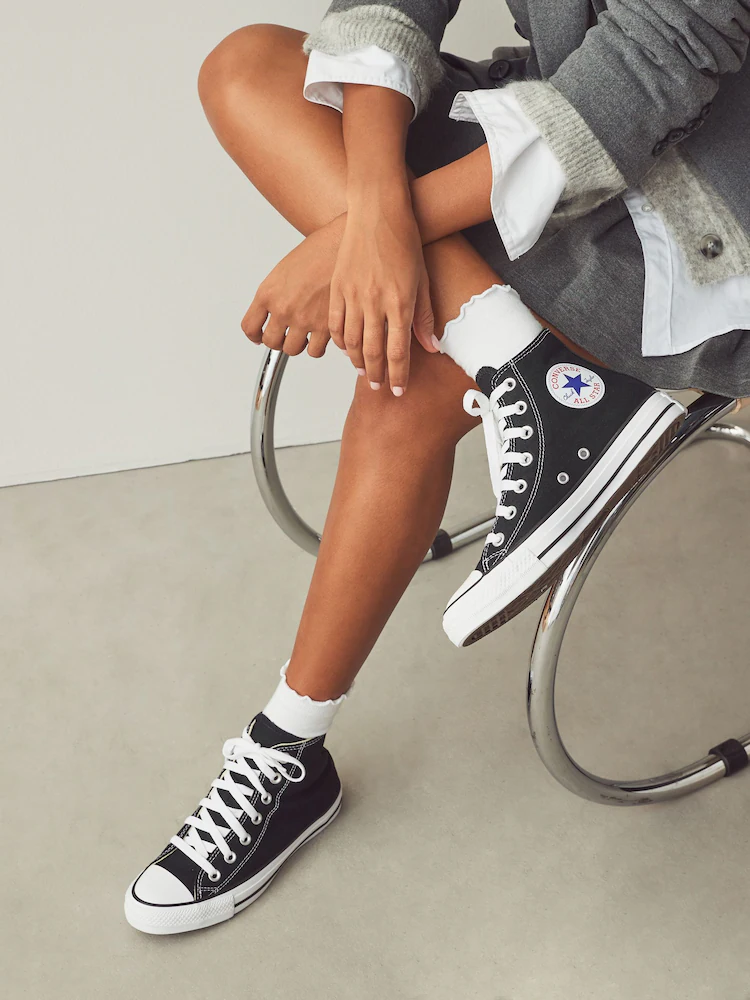
In medical terms, they function more like fashion shoes, not orthopedic footwear.
Why Podiatrists Don’t Recommend Converse for Daily Wear
1. Lack of Arch Support
Flat soles offer no structural support, increasing stress on the plantar fascia.
2. Minimal Cushioning
The thin rubber sole does little to absorb impact during walking.
3. Poor Shock Absorption
Hard surfaces transfer force directly to joints.
4. Limited Heel Support
This can cause instability and fatigue.
When Converse Can Be Okay to Wear
Podiatrists generally say Converse are acceptable when:
- Worn for short periods
- Used casually, not for walking all day
- Paired with supportive insoles
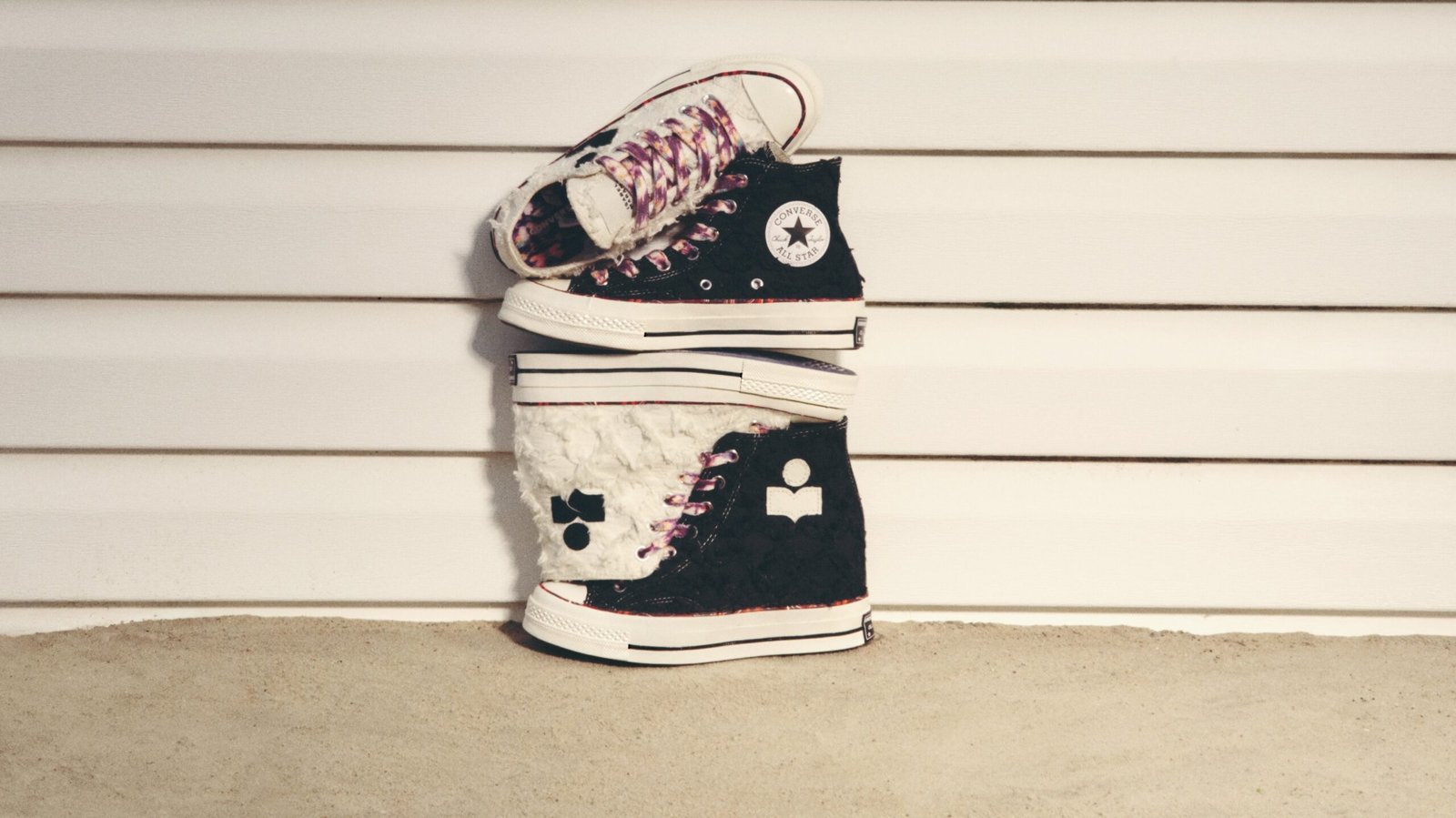
They’re better suited for style than function.
Common Foot Problems Linked to Converse
| Foot Issue | Why It Happens |
|---|---|
| Plantar fasciitis | No arch support |
| Heel pain | Hard sole |
| Shin splints | Poor shock absorption |
| Blisters | Friction & thin lining |
Converse vs Supportive Shoes
| Feature | Converse | Supportive Shoes |
|---|---|---|
| Arch support | ❌ Minimal | ✅ Structured |
| Cushioning | ❌ Low | ✅ High |
| Heel support | ❌ Weak | ✅ Strong |
| Daily wear | ⚠️ Limited | ✅ Ideal |
How to Make Converse More Foot-Friendly
If you love the look, podiatrists recommend:
- Using orthopedic insoles
- Limiting wear time
- Choosing thicker socks
- Avoiding long walks
Small adjustments can reduce strain.
FAQ
Are Converse bad for flat feet?
Yes, unless you add supportive insoles.
Can Converse cause foot pain?
Yes, especially with prolonged wear.
Do podiatrists recommend Converse?
Generally no — only for short-term or casual use.
Conclusion
So, what do podiatrists say about Converse?
They’re fine for style — not for support.
If comfort and foot health matter, wear them occasionally or modify them with insoles.
Internal Reference
For more insight into shoe structure, comfort, and footwear design, visit:
👉 FuKi Apparel