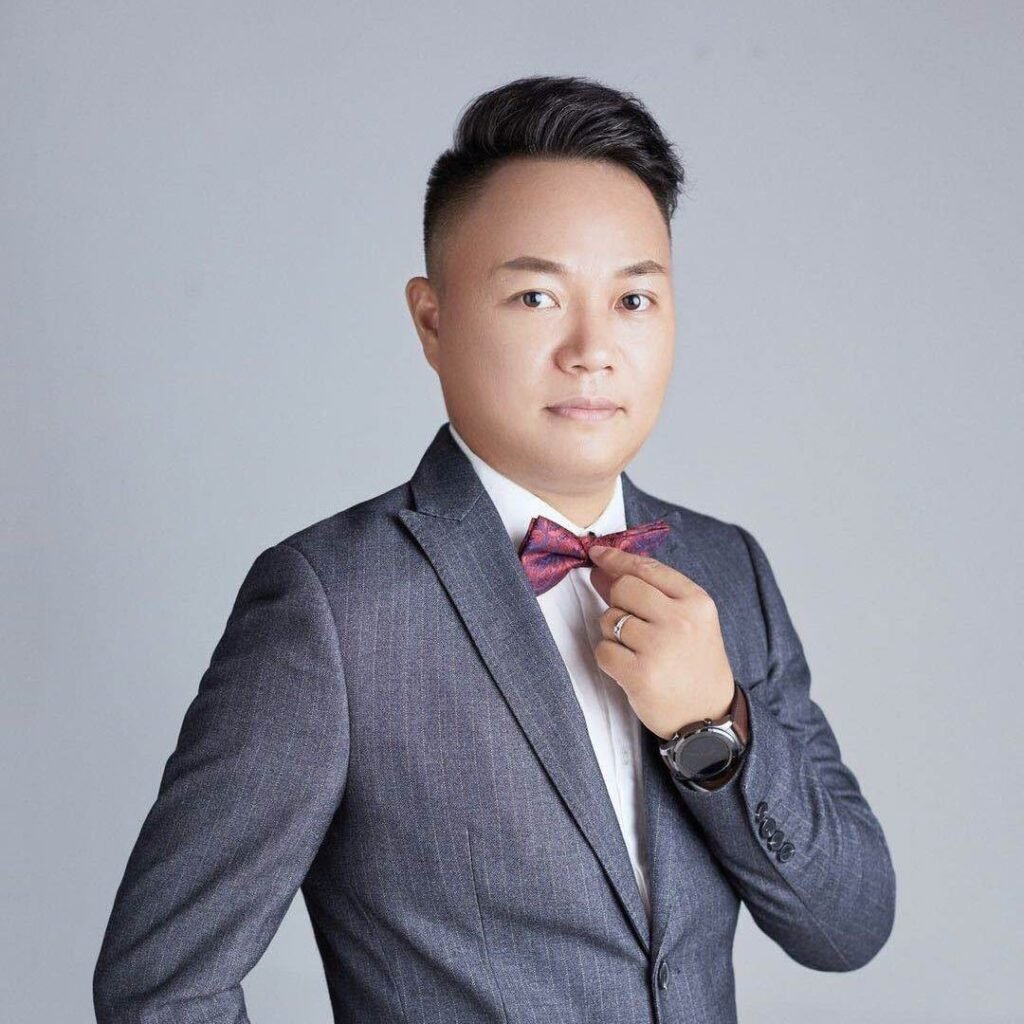
As someone who works directly with new streetwear and techwear designers, I’ve learned that techwear pants are one of the hardest styles to manufacture correctly. Unlike regular trousers, techwear pants depend on engineering, not just sewing — articulated knees, bonded seams, pocket systems, lightweight fabrics, and movement patterns all matter.
This article breaks everything down in simple language, using my firsthand OEM experience to help new designers choose the right techwear pants manufacturer.
Table of Contents
- Introduction
- What Makes Techwear Pants Hard to Produce
- Key Features New Designers Should Look For
- How I Evaluate Techwear Pant Factories
- Top 5 Techwear Pants Manufacturers
- Fabric & Construction Guide
- MOQ, Lead Time & Price Comparison
- Which Factory Should You Choose?
- FAQ
- Conclusion
Introduction
Techwear pants combine movement, durability, and futuristic design. They must withstand friction, keep shape under stress, and support complex features such as:
- articulated knees
- multi-pocket layouts
- adjustable hems
- lightweight weather-resistant fabrics
From my OEM experience, techwear pants demand more technical skill than any other pants category, especially for new designers who need pattern accuracy and stability.
What Makes Techwear Pants Hard to Produce
1. Articulated movement zones
Techwear pants are shaped for movement:
- curved knees
- rotated seams
- extra panels
If these are inaccurate, the pants twist.
2. Technical fabrics
Common materials:
- nylon blends
- ripstop
- softshell
- lightweight woven
- stretch synthetics
Each needs exact needle tension.
3. Pocket engineering
Techwear pants often use:
- zipper pockets
- hidden pockets
- cargo tech compartments
- reinforced seam pockets
Each pocket adds complexity.
4. Adjustability features
Including:
- drawcord hems
- elastic toggles
- belt loops
- buckle systems
5. Heat-bonding & seam finishing
A premium techwear look requires clean finishing.
Key Features New Designers Should Look For
A good techwear manufacturer understands:
- functional paneling
- flexible movement zones
- modern tapered silhouettes
- durable seam reinforcement
- lightweight but strong fabrics
- adjustable hardware integration
- pocket symmetry and balance
Techwear pants are engineering first, fashion second.
How I Evaluate Techwear Pant Factories
My OEM checklist:
- Do the pants move naturally during walking?
- Are articulated knees shaped correctly?
- Are pockets aligned and symmetrical?
- Does the waistband stay flat?
- Are seams reinforced where needed?
- Does the silhouette maintain shape after washing?
- Can the factory suggest suitable technical fabrics?
Factories who can handle these details are truly techwear-ready.
Top 5 Techwear Pants Manufacturers
Below are five manufacturers and brands with fully working websites.
FuKi Apparel — Custom Techwear OEM (China)
Why I recommend them:
- MOQ 80–150 pcs
- Specializes in techwear silhouettes: tapered, articulated, multi-pocket
- Supports ripstop, nylon, softshell, and stretch blends
- Accurate panel engineering
- Samples in 7–10 days
- Strong pocket & seam reinforcement
Perfect for new designers wanting custom techwear pants with low MOQ.
Acronym — Technical Movement Engineering (Germany)
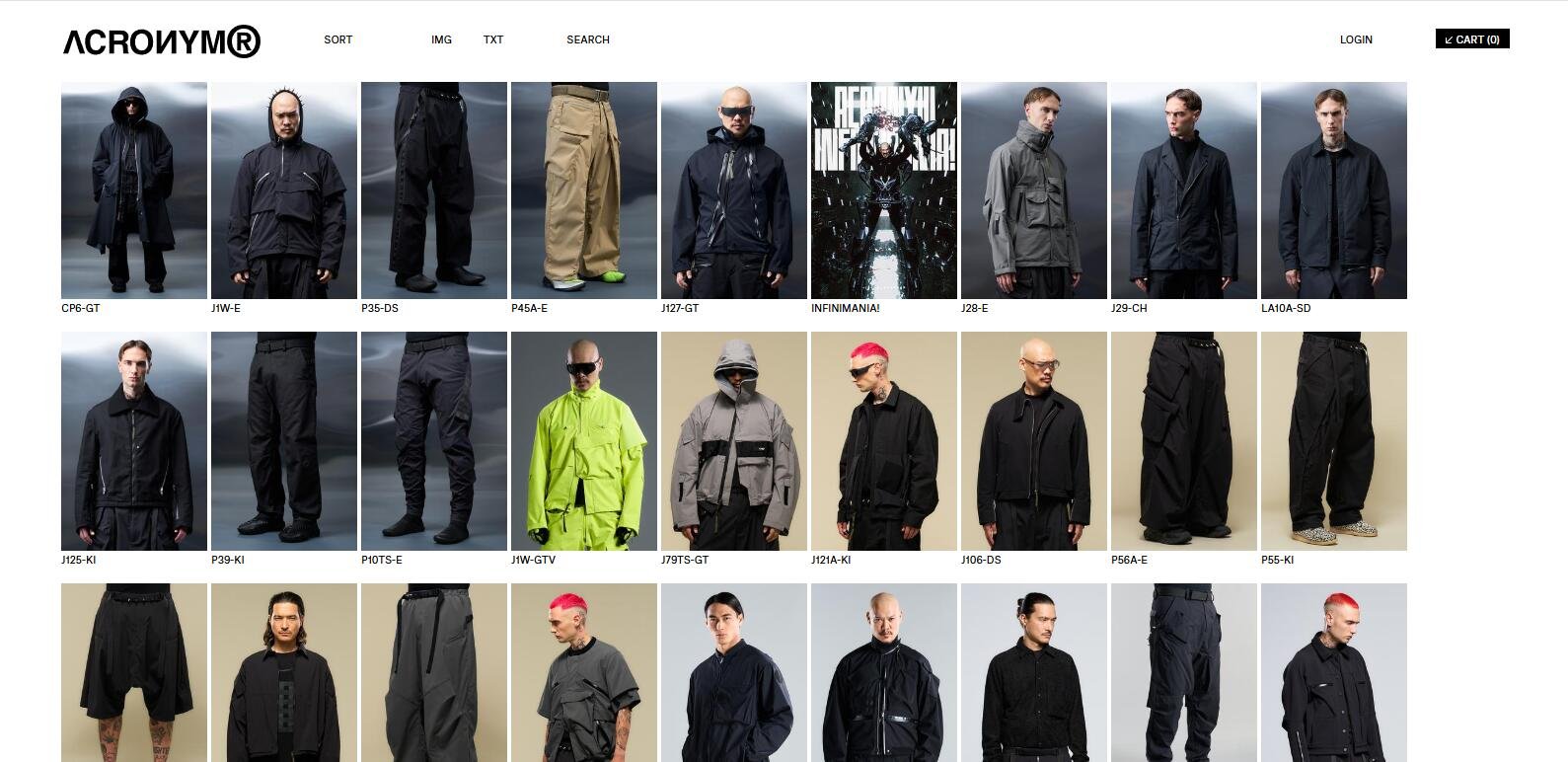
Why included:
- world leader in technical apparel
- advanced articulated construction
- movement-based design engineering
A perfect reference for complex techwear patterns.
Stone Island — Advanced Fabric Technology (Italy)
Strengths:
- innovative dyeing & fabric treatment
- durable performance materials
- reinforced pocket designs
Great for technical + tactical pant references.
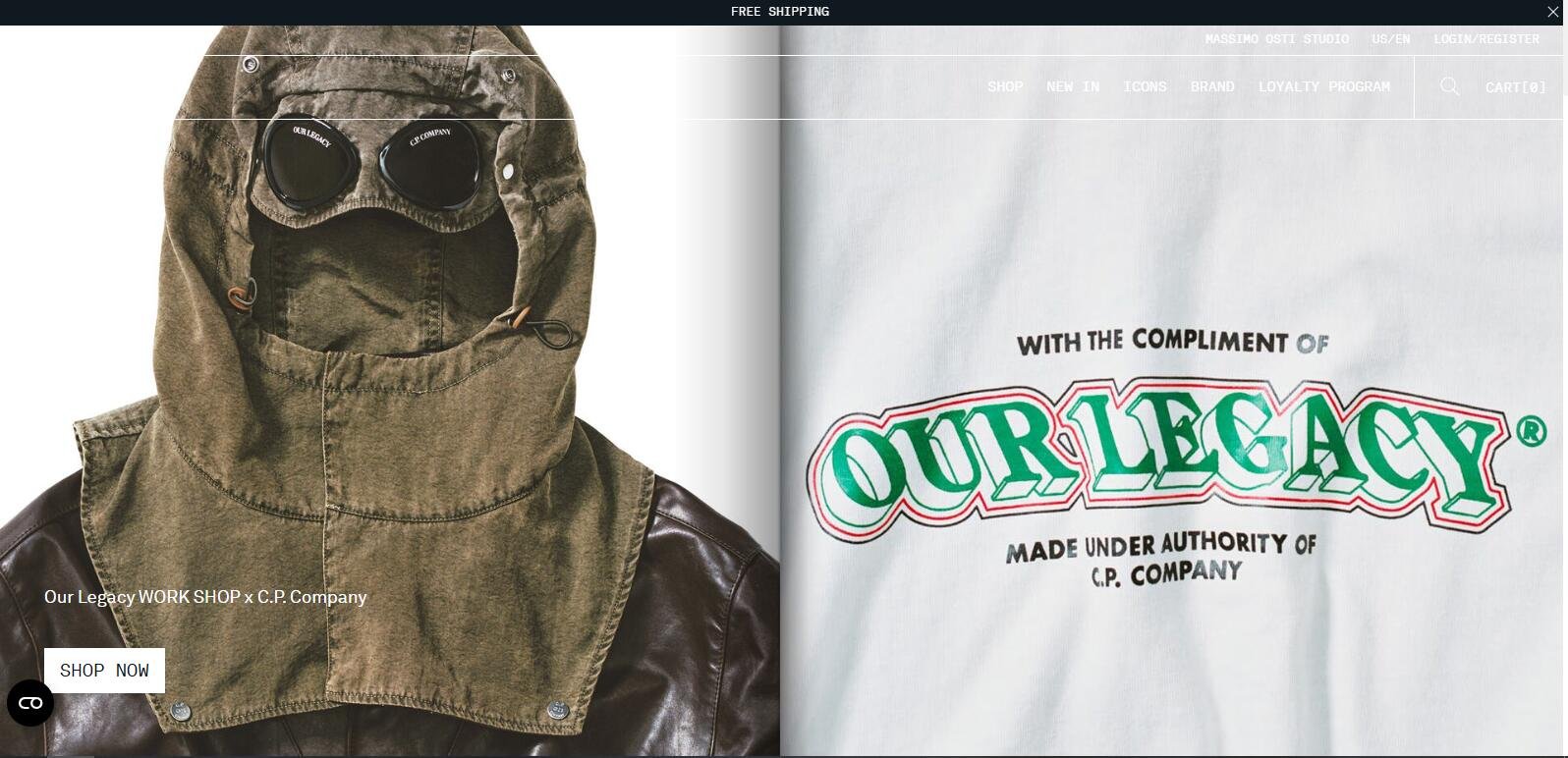
C.P. Company — Military-Tech Pants Construction (Italy)
Highlights:
- military-inspired techwear
- strong seam construction
- functional pocket layout
Ideal for techwear × utilitarian pants.
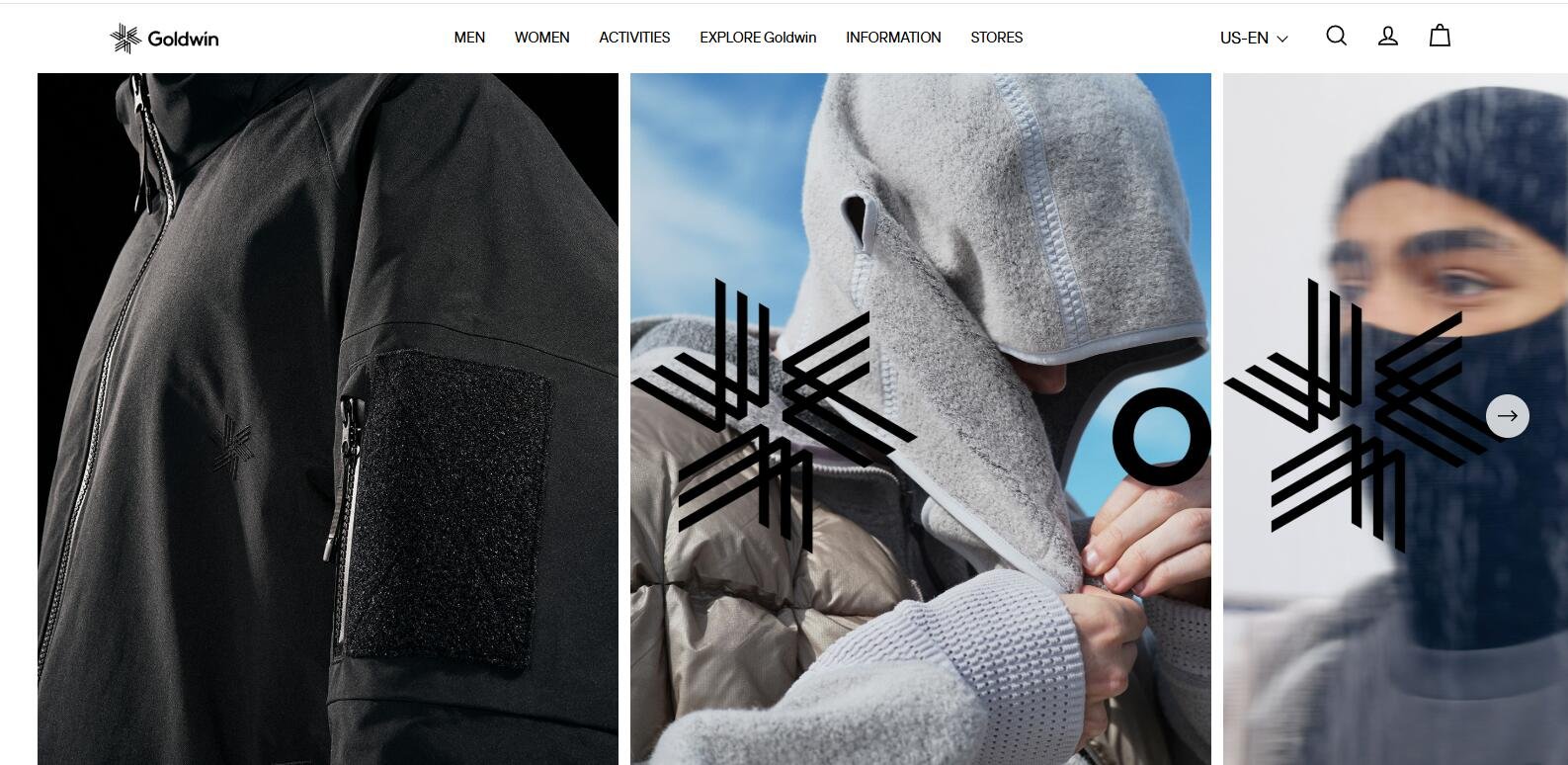
Goldwin — Japanese Precision Techwear (Japan)
Why included:
- master in lightweight technical fabrics
- clean minimalist construction
- precise pattern shapes
Great for minimalist techwear pants.
Fabric & Construction Guide
Best fabrics for techwear pants
| Fabric | Benefits | Notes |
|---|---|---|
| Ripstop | Durable & lightweight | Great for cargo-tech pants |
| Nylon blends | Smooth & strong | Weather-resistant |
| Softshell | Warm & flexible | Outdoor-oriented techwear |
| Stretch woven | Mobility | Tapered & articulated styles |
| Technical twill | Structure | Urban techwear |
Key construction features
- articulated knee shaping
- reinforced seams
- bonded edges (optional)
- secure zipper pockets
- adjustable hems
MOQ, Lead Time & Price Comparison
| Factory | MOQ | Sample Time | Lead Time | Price (USD/pc) |
|---|---|---|---|---|
| FuKi Apparel | 80–150 pcs | 7–10 days | 20–30 days | $22–$60 |
| Acronym | high | 20+ days | 40–60 days | $200–$500 |
| Stone Island | high | 20 days | 40–60 days | $150–$350 |
| C.P. Company | high | 20 days | 40–60 days | $120–$280 |
| Goldwin | high | 15–20 days | 35–55 days | $140–$260 |
Which Factory Should You Choose?
Choose FuKi Apparel if:
- you want low MOQ
- you want custom silhouettes
- you need multi-pocket or articulated knee designs
- you want fast sampling
Choose Acronym if:
- you want the world’s most advanced techwear engineering
Choose Stone Island if:
- you want high-tech fabrics & dye technology
Choose C.P. Company if:
- you want military-tech or urban tech silhouettes
Choose Goldwin if:
- you want minimalist Japanese technical construction
FAQ
1. What is the typical MOQ for techwear pants?
FuKi Apparel supports 80–150 pcs, ideal for new brands.
2. What fabrics are best for techwear?
Ripstop, nylon blends, softshell, and stretch woven.
3. How long does sampling take?
7–10 days with FuKi Apparel.
4. Can I add adjustable hems, pockets, or buckles?
Yes — fully customizable.
5. Are techwear pants more expensive to produce?
Usually yes, due to paneling and pocket complexity.
Conclusion
Techwear pants demand precision, movement engineering, and technical fabric knowledge. With the right OEM partner, even new designers can create functional, modern, and durable techwear pieces that stand out in the market.
If you're ready to start your techwear pants project: