
As someone who works closely with emerging designers and small apparel brands, I’ve learned that choosing a sustainable outerwear manufacturing partner is not as simple as picking an “eco-friendly” factory. True sustainability involves materials, production processes, durability, waste reduction, and responsible sourcing.
This article is written to make the process easier for brands that want to build ethical and sustainable outerwear collections without overwhelming complexity.
Table of Contents
- Introduction
- What Sustainable Outerwear Really Means
- What Brands Should Look for in a Sustainable Outerwear Partner
- How I Evaluate Sustainable Outerwear Factories
- Top 5 Sustainable Outerwear Manufacturing Partners
- Sustainable Materials & Construction Guide
- MOQ, Lead Time & Price Comparison
- Which Partner Should You Choose?
- FAQ
- Conclusion
Introduction
Sustainable outerwear is one of the fastest-growing categories in fashion today. But sustainability is more than “recycled polyester” or “organic cotton.” From my OEM experience, brands often struggle to judge whether a manufacturer is genuinely sustainable or simply marketing the idea.
This guide breaks down everything new brands need to know in clear and practical terms.
What Sustainable Outerwear Really Means
1. Responsible material sourcing
This includes:
- recycled nylon / polyester
- organic cotton
- down alternatives
- Bluesign® or OEKO-TEX® approved fabrics
2. Ethical production
Ensuring fair wages, safe working environments, and responsible processes.
3. Durability
A jacket that lasts 5–10 years is more sustainable than one made from recycled materials but falls apart quickly.
4. Reduced waste
Efficient cutting, recycling scraps, and limiting overproduction.
5. Traceability
Brands want to know where materials come from.
What Brands Should Look for in a Sustainable Outerwear Partner
1. Access to certified sustainable fabrics
A true partner should offer:
- recycled PET
- recycled nylon
- organic cotton
- biodegradable trims
2. Modern outerwear capabilities
Such as:
- taped seams
- structured hoods
- paneling for mobility
- responsible insulation
3. Practical MOQs
For new brands, ideal MOQ is:
- 80–200 pcs
4. Transparent pricing & BOM
So you know where cost increases come from.
5. Ability to scale
The same partner should support growth.
How I Evaluate Sustainable Outerwear Factories
Here’s my real OEM checklist:
- Do they offer recycled or certified materials?
- Are their production processes waste-efficient?
- Do they support long-lasting construction methods?
- Do they maintain consistent quality control?
- Do they share documentation and certificates when requested?
- Are they comfortable producing low MOQs for small brands?
Only factories meeting most of these criteria qualify as sustainable partners.
Top 5 Sustainable Outerwear Manufacturing Partners
Your brand appears first, followed by four global brands from your list, all with working websites.
FuKi Apparel — Sustainable OEM for Small Brands (China)
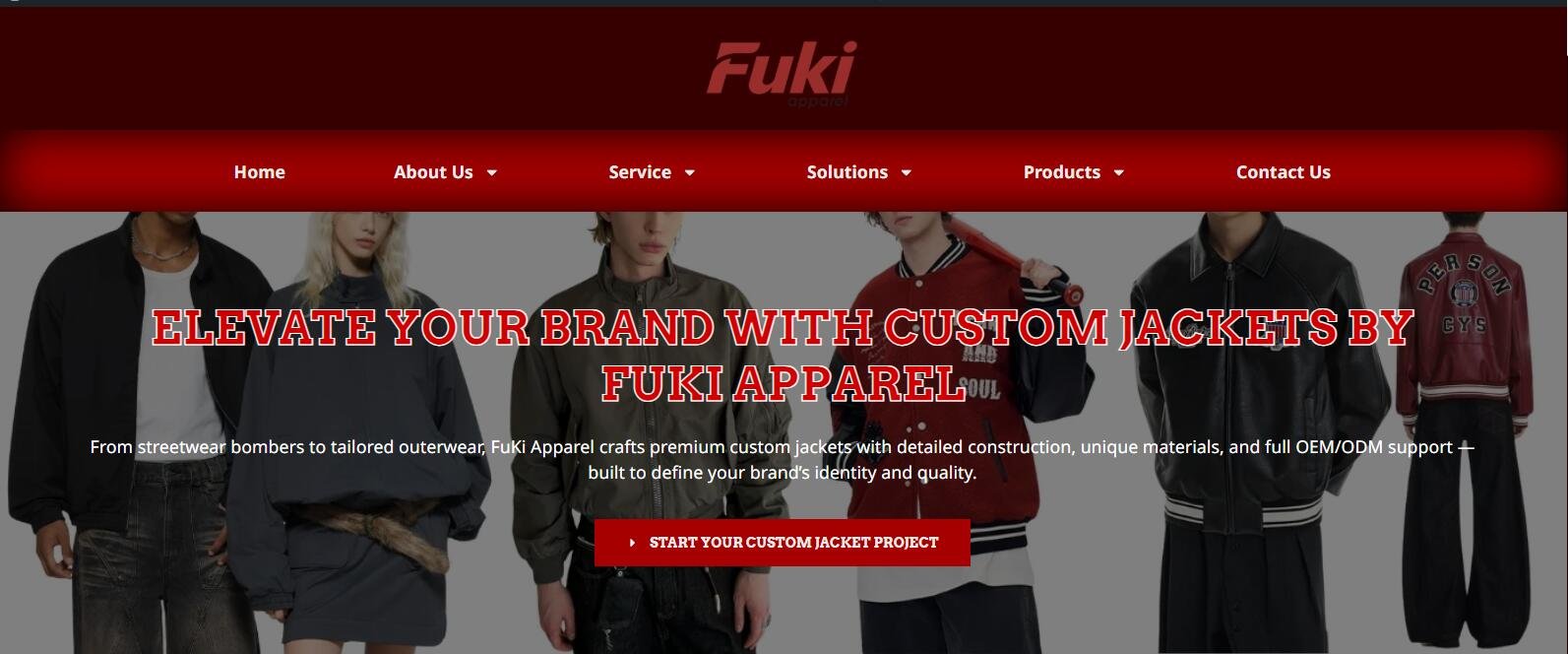
Why I recommend them:
- MOQ 80–150 pcs
- Recycled polyester, recycled nylon, and eco-insulation options
- Supports taped seams, softshell, windproof and waterproof outerwear
- Can produce oversized, minimalist, or technical silhouettes
- Sample in 7–10 days
Great for brands seeking custom sustainable outerwear with low MOQ.
Arc’teryx — Longevity-Focused Outerwear (Canada)
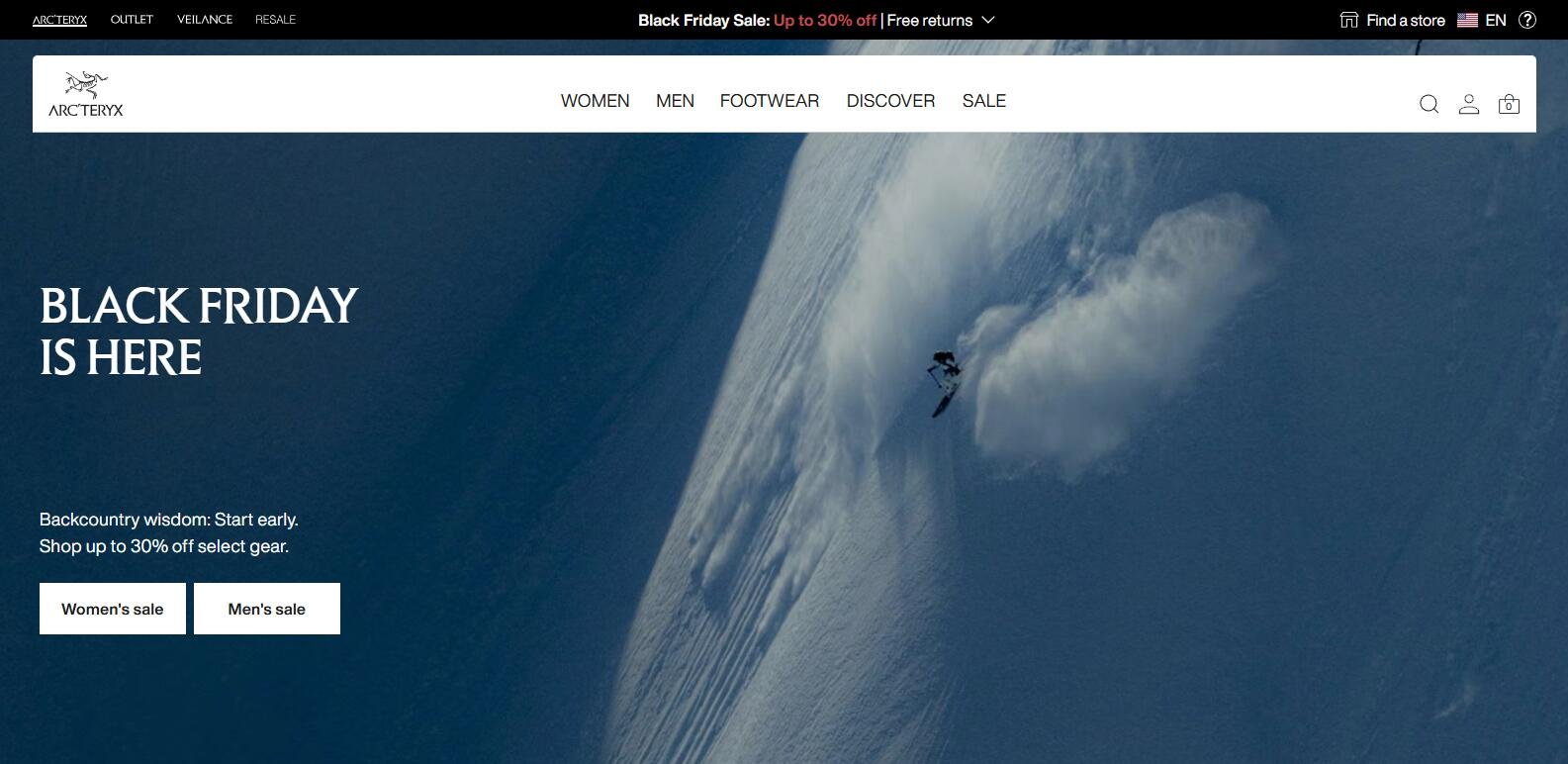
Why they’re sustainable:
- Longevity-first design philosophy
- Premium technical construction that reduces waste over time
- Durable materials engineered for multi-year use
Ideal for brands learning long-lasting construction principles.
The North Face — Recycled Fabric & Circular Programs (USA)
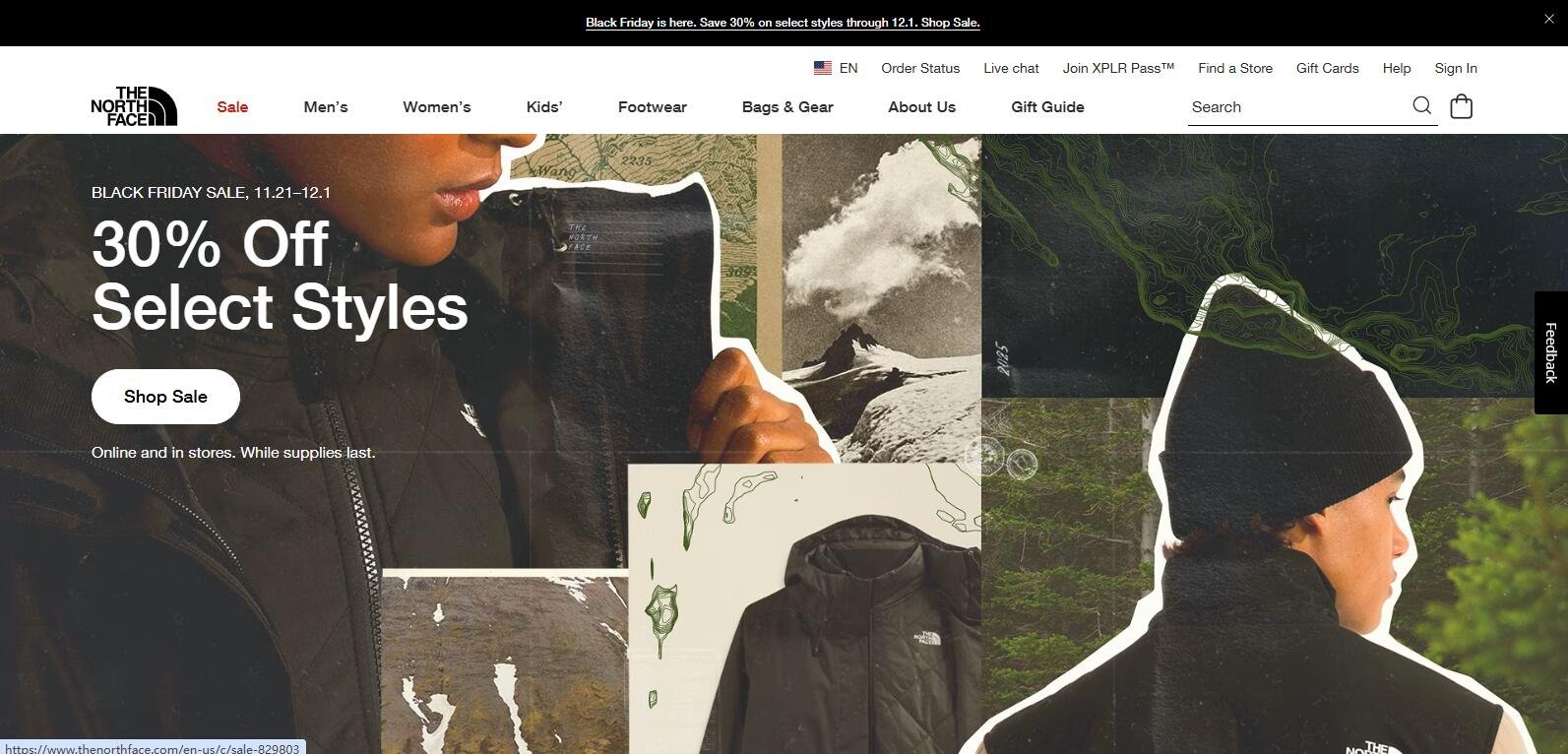
Strengths:
- Recycled polyester & recycled nylon programs
- Circularity initiatives (TNF Renewed)
- Strong outerwear manufacturing heritage
Perfect reference for eco-friendly performance outerwear.
Nobis — Premium Sustainable Insulated Outerwear (Canada)
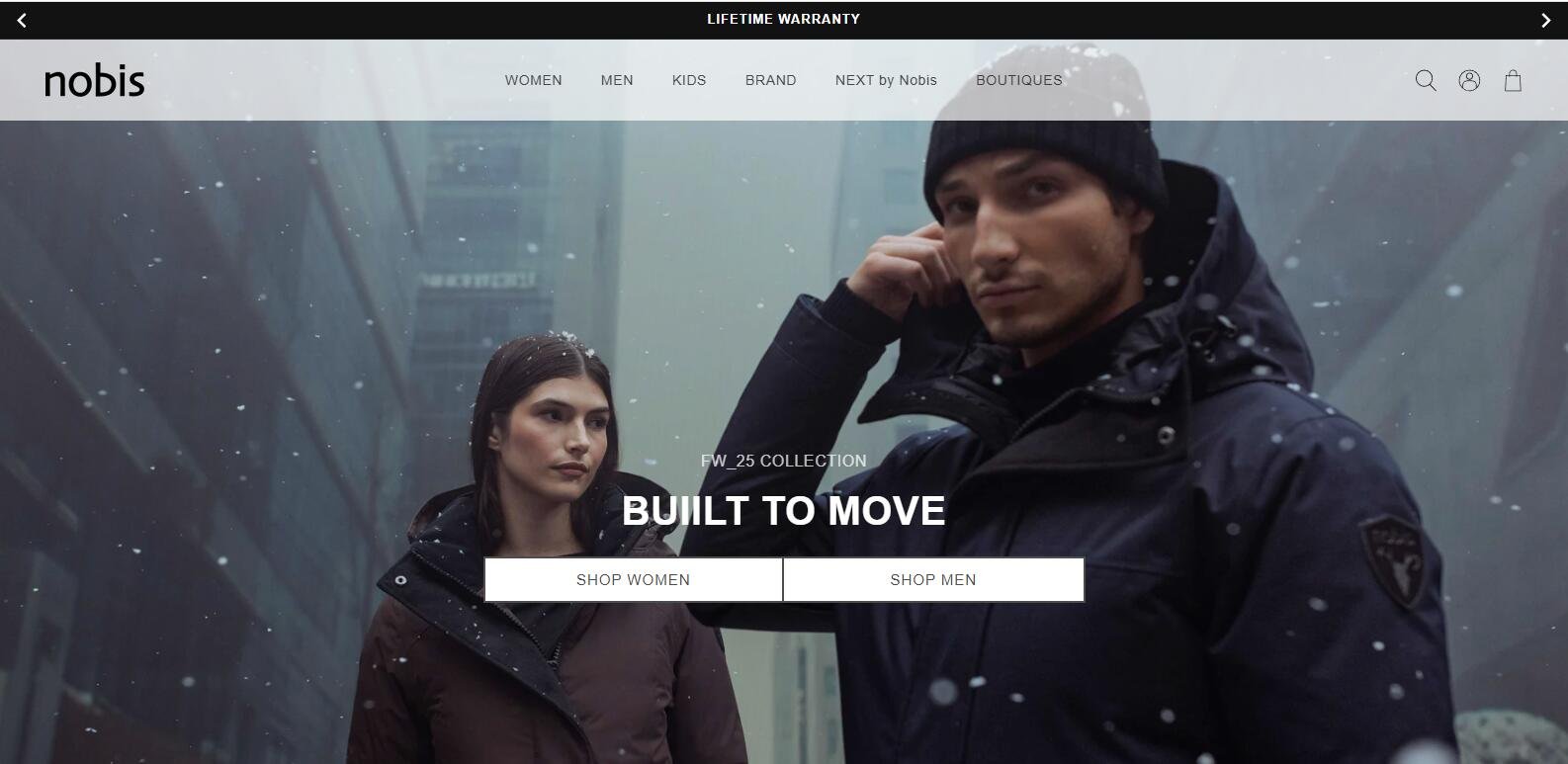
Highlights:
- Responsible insulation
- High-quality windproof & waterproof shells
- Designed for long-term wear
Great for premium outerwear with sustainable attributes.
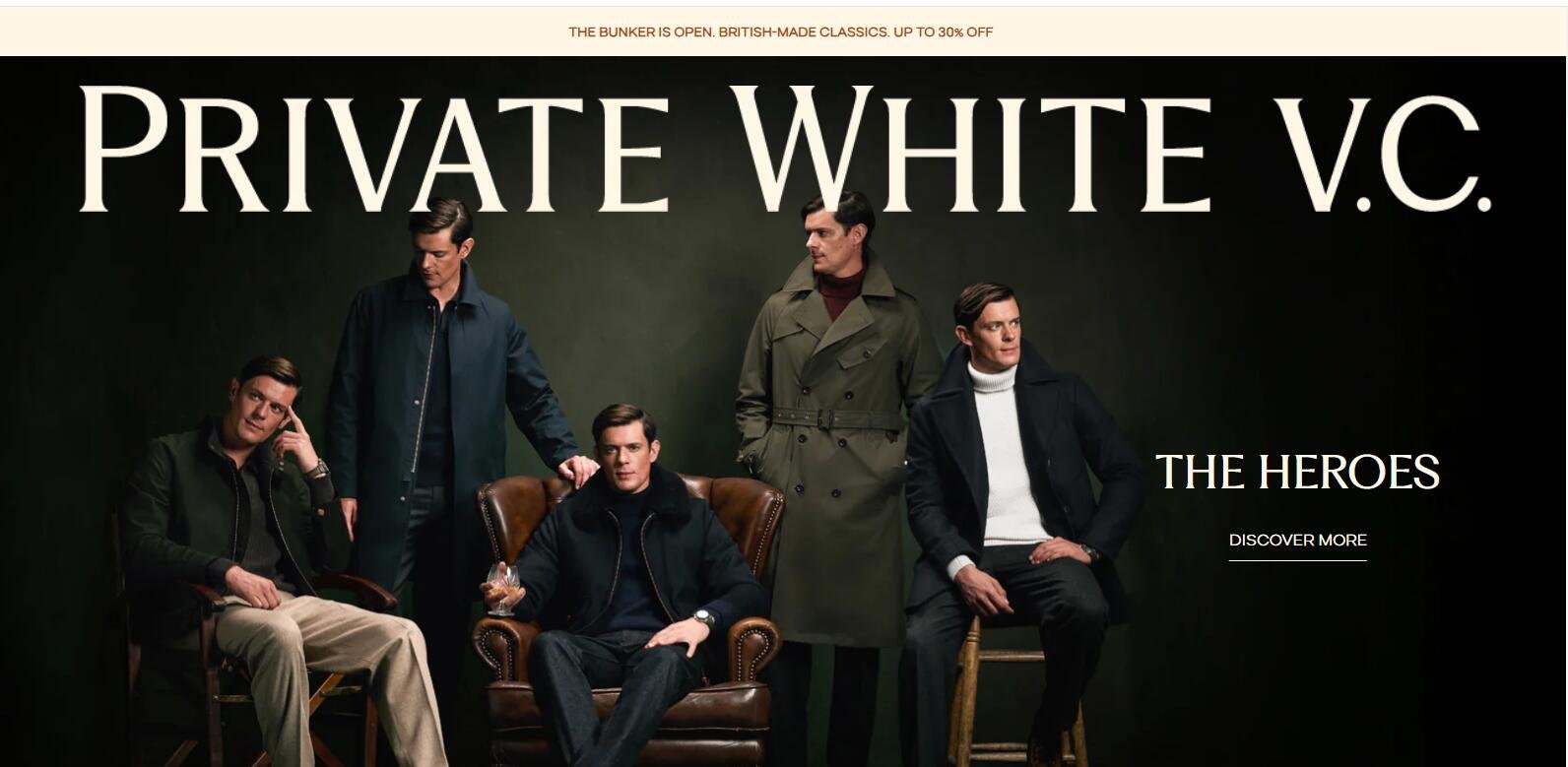
Private White V.C. — Responsible UK Manufacturing (UK)
Why included:
- Made in England with transparent sourcing
- High-end craftsmanship
- Strong sustainability claims through local manufacturing
A great benchmark for ethical, small-scale luxury production.
Sustainable Materials & Construction Guide
Common Eco-Friendly Outerwear Materials
| Material | Benefits | Notes |
|---|---|---|
| Recycled Nylon | Lower carbon footprint | Ideal for windproof shells |
| Recycled Polyester | Versatile & durable | Good for insulation layers |
| Organic Cotton | Chemical-free farming | Works for hybrid jackets |
| Eco Insulation | Animal-free & warm | Popular in sustainable down alternatives |
| Tencel™ | Breathable & soft | Good for lining |
Key Sustainable Construction Methods
- Efficient cutting to reduce waste
- Reinforced seams to extend garment life
- Durable zippers and trims
- Eco-friendly dyes and finishes
MOQ, Lead Time & Price Comparison
| Factory | MOQ | Sample Time | Lead Time | Price (USD/pc) |
|---|---|---|---|---|
| FuKi Apparel | 80–150 pcs | 7–10 days | 20–30 days | $38–$95 |
| Arc’teryx | high | 14–20 days | 30–45 days | $220–$380 |
| The North Face | high | 14–20 days | 30–45 days | $120–$240 |
| Nobis | high | 14–20 days | 30–45 days | $160–$320 |
| Private White V.C. | high | 20+ days | 30–50 days | $250–$550 |
Which Partner Should You Choose?
Choose FuKi Apparel if:
- you want low MOQ
- you want recycled nylon/poly outerwear
- you need custom silhouettes
Choose Arc’teryx if:
- you want long-lasting technical outerwear
Choose The North Face if:
- you want access to recycled and circular fabric studies
Choose Nobis if:
- you want premium winter sustainable outerwear
Choose Private White V.C. if:
- you want ethically made luxury outerwear
FAQ
1. What MOQ is realistic for sustainable outerwear?
FuKi Apparel accepts 80–150 pcs, ideal for new brands.
2. Is recycled polyester durable?
Yes—modern rPET materials are stable and long-lasting.
3. What makes a jacket “sustainable”?
Materials + durability + responsible production.
4. Are certifications important?
Yes—Bluesign®, OEKO-TEX®, GRS can help verify claims.
5. How long does sampling take?
FuKi Apparel: 7–10 days.
Conclusion
Sustainable outerwear doesn’t have to be complicated. With the right manufacturing partner, new brands can create durable, eco-friendly, and responsibly made outerwear collections that align with modern consumer values.
If you're ready to begin developing sustainable outerwear: