
If you’re asking “Is Undercover considered high fashion?”, you’re probably trying to understand where it truly sits—streetwear, luxury, or something in between.
From my experience working with fashion brands and production teams, this is a smart question. Many labels look “high-end” but don’t actually operate like high fashion houses. Undercover is different.
This guide gives you a clear answer, plus the context you need to decide whether Undercover belongs in the high-fashion world.
Table of Contents
- Quick Answer
- What “High Fashion” Really Means
- Where Undercover Fits
- Why Undercover Is Treated as High Fashion
- Undercover vs Traditional Luxury Houses
- Is Undercover High Fashion for Everyone?
- Who Should Choose Undercover?
- FAQ
- Conclusion
- Internal Reference
Quick Answer
Yes—Undercover is widely considered high fashion, especially within the designer streetwear category.
It shows at Paris Fashion Week and is led by a single designer vision, which are two defining traits of high fashion.
Official brand site:
Undercover
What “High Fashion” Really Means
High fashion isn’t just about price. In industry terms, it usually includes:
- designer-led creative direction
- runway presentations
- conceptual collections
- advanced pattern work
- storytelling through garments
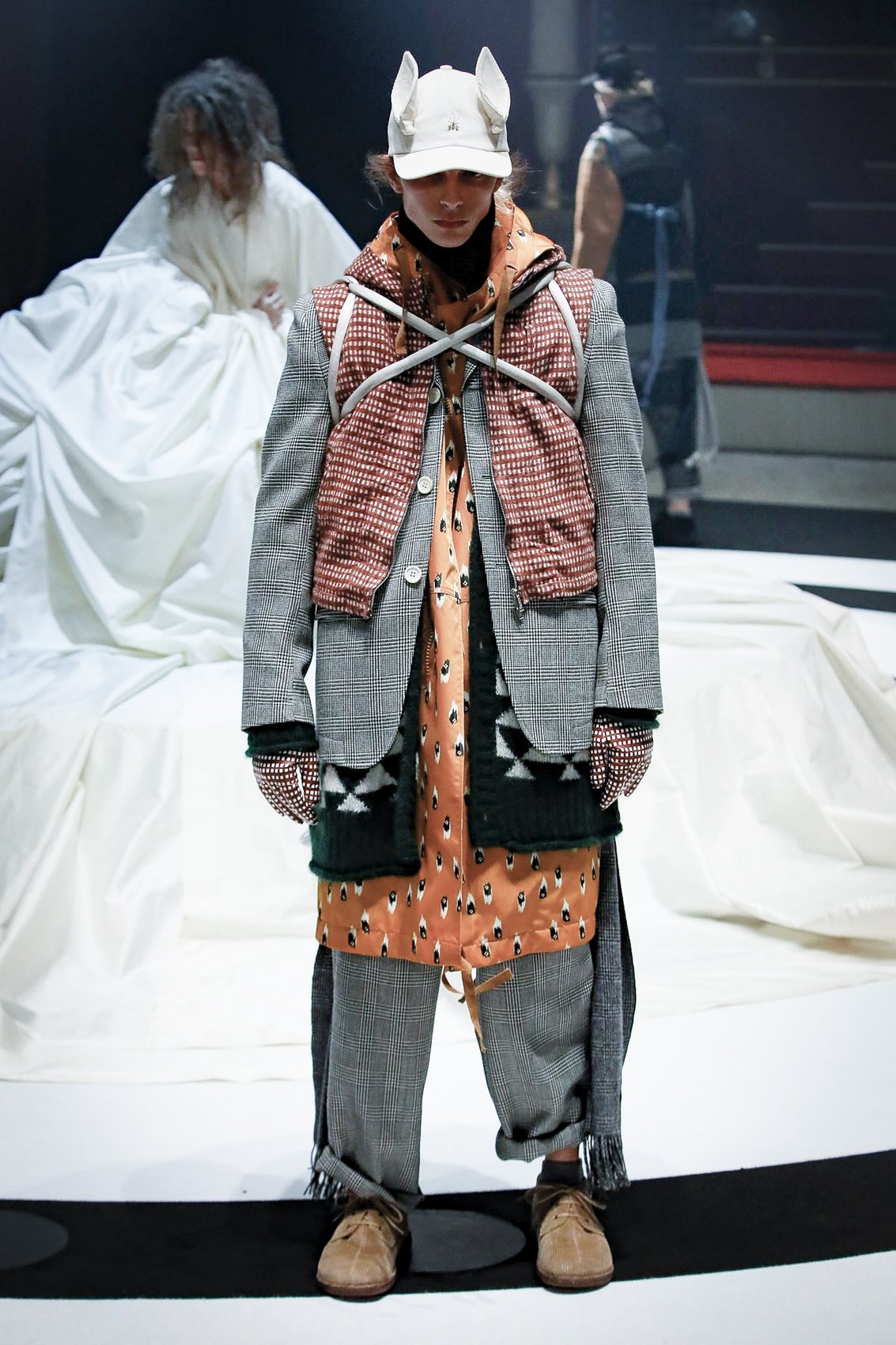
From a production perspective, high fashion means:
- more sampling rounds
- experimental fabrics
- complex construction
- slower, intentional development
Undercover operates with all of these.
Where Undercover Fits
Undercover lives at the intersection of:
- Japanese street culture
- avant-garde fashion
- luxury-level craftsmanship
It’s not “mall streetwear,” and it’s not traditional couture.
It’s best described as high fashion with a streetwear soul.
That’s why you see Undercover:
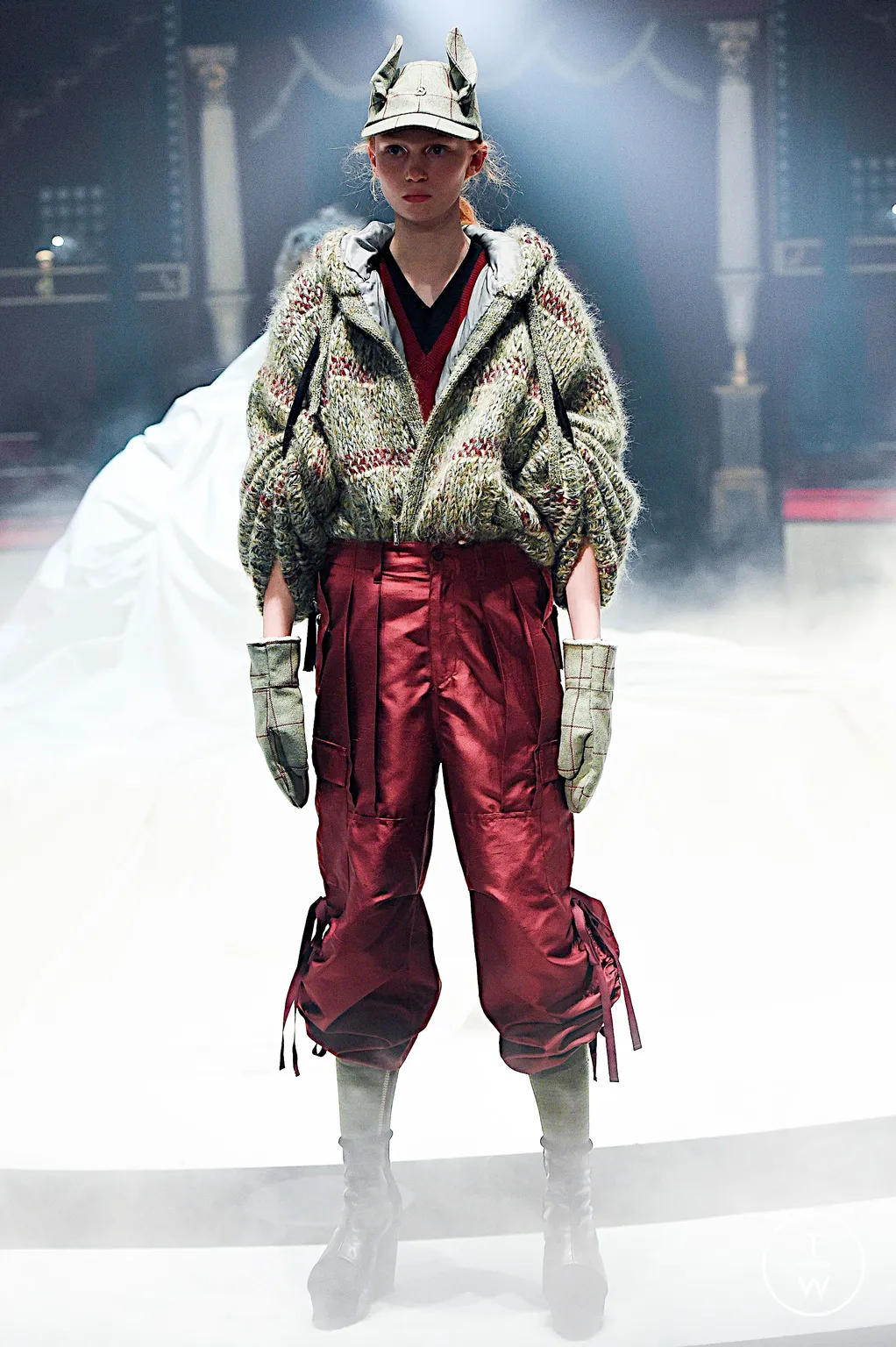
- on Paris runways
- in museum exhibitions
- in collaborations with Nike and Supreme
- in luxury boutiques
Why Undercover Is Treated as High Fashion
Undercover is treated as high fashion because:
- It presents full runway collections
- Each season has a narrative concept
- Garments use complex construction
- It’s led by one designer—Jun Takahashi
- It influences other luxury brands
From my experience, these are the same signals buyers use to classify a brand as “fashion house” rather than “street label.”
Undercover vs Traditional Luxury Houses
| Factor | Undercover | Traditional Luxury House |
|---|---|---|
| Creative lead | Single designer | Single designer |
| Runway shows | Yes | Yes |
| Concept-driven | Yes | Yes |
| Logo focus | Low | Medium |
| Roots | Street & punk | Couture & heritage |
Different origins, same fashion status.
Is Undercover High Fashion for Everyone?
Not necessarily.
Undercover works best for people who:
- enjoy conceptual clothing
- value design over logos
- like subtle rebellion
- build wardrobes slowly
It may not suit those who:
- prefer classic luxury styles
- want obvious status symbols
- follow trends season by season
High fashion isn’t about pleasing everyone—it’s about expressing a point of view.
Who Should Choose Undercover?
Undercover is ideal if you:
- want high fashion without tradition
- appreciate Japanese design thinking
- like garments with meaning
- prefer culture over status
It’s less ideal if your goal is:
- visible luxury branding
- timeless formalwear
- mainstream recognition
FAQ
Is Undercover luxury?
It’s best described as high fashion designer streetwear.
Does Undercover show in Paris?
Yes. It regularly presents at Paris Fashion Week.
Is Undercover comparable to Balenciaga or Comme des Garçons?
In structure and influence, yes—though the aesthetic is different.
Is Undercover expensive because of hype?
No. Pricing reflects design depth, development, and construction.
Conclusion
So, is Undercover considered high fashion?
Yes—Undercover is high fashion in spirit, structure, and execution.
From my experience, it represents a modern form of high fashion:
one that speaks in street language, but thinks like a couture house.
That’s exactly why it matters.
Internal Reference
If you’re curious how high-fashion concepts translate into real production, explore fukiapparel for insights into custom garment development and brand building.